Anna's Hummingbird
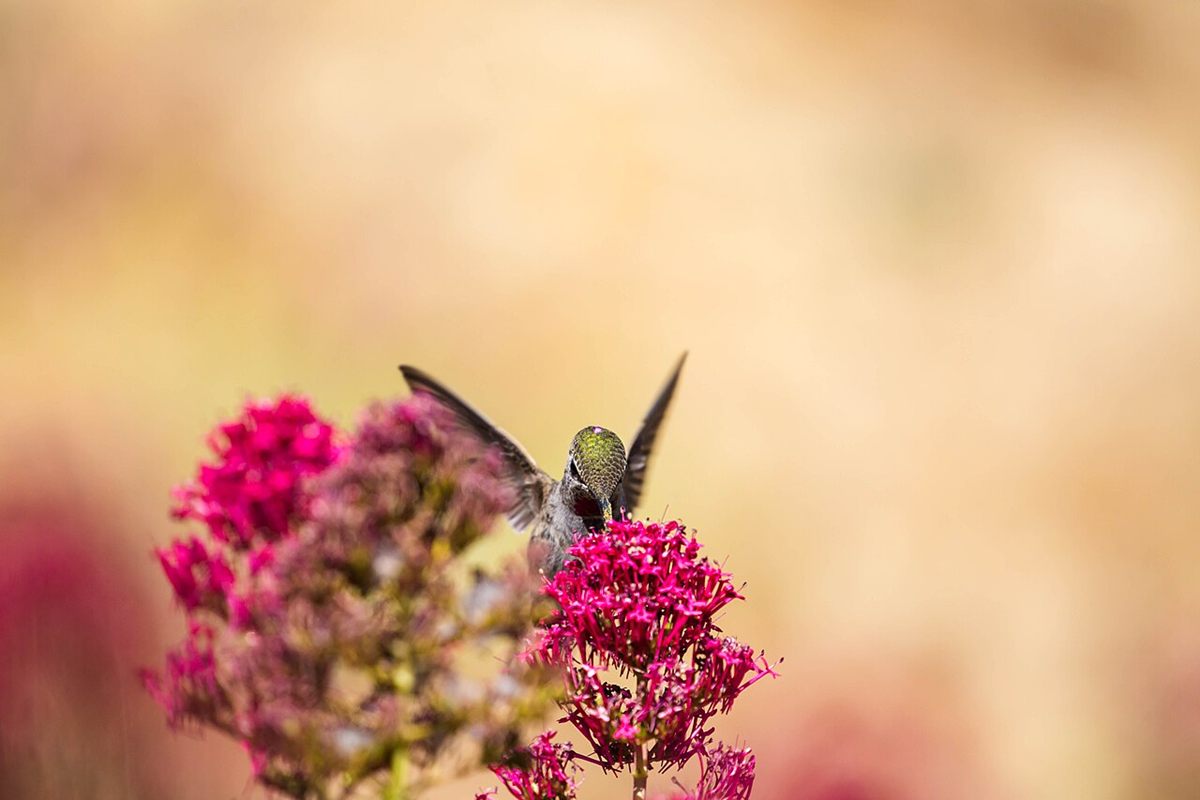
Anna's hummingbird (Calypte anna) is a stocky hummingbird of the Pacific coast of North America, with a rose-red head and throat in the male. Unlike most hummingbirds, it stays through the winter.
Anna's hummingbird (Calypte anna) is a stocky hummingbird of the Pacific coast of North America, with a rose-red head and throat in the male. Unlike most hummingbirds, it stays through the winter.
🧬 Field Guide Specimen: Open Anna's Hummingbird in the CRV Science Field Guide to log the specimen, see its place among the Reptilia lineages in the Cladogram Explorer, and test your recall in the Red List conservation game.
The Dive Display: A Sound Made by Feathers
The male climbs high, then plunges toward a female at speeds measured at over 20 meters per second, which, relative to its size, is faster than any other vertebrate measured. At the bottom of the dive, the tail feathers flutter and produce a sharp chirp.
A Range Expanded by Gardens
Anna's hummingbird was once confined to California and Baja, but spread north and east with garden flowers, introduced trees such as eucalyptus and year-round feeders. It can reach Canada and Arizona.
Cold-Night Torpor
At night the bird enters torpor, dropping its temperature and metabolism to save energy. See Ruby-throated Hummingbird.
Anna's Hummingbird at a Glance
| Property | Value |
|---|---|
| Scientific name | Calypte anna |
| Kingdom | Animalia |
| Phylum | Chordata |
| Class | Aves |
| Order | Apodiformes |
| Family | Trochilidae |
| Field Guide group | Reptilia: Aves (Birds) |
| Diagnostic feature (Field Guide) | Tiny green nectar feeder; males have an iridescent rose-pink crown and throat and make a loud chirp with their tail during display dives. |
| IUCN Red List status | Least Concern (LC) |
| Dive speed | Over 20 meters per second |
| Winter range | Pacific coast residents |
See Also
- Ruby-throated Hummingbird — an eastern hummingbird
- Bee Hummingbird — the smallest bird