Common Swift
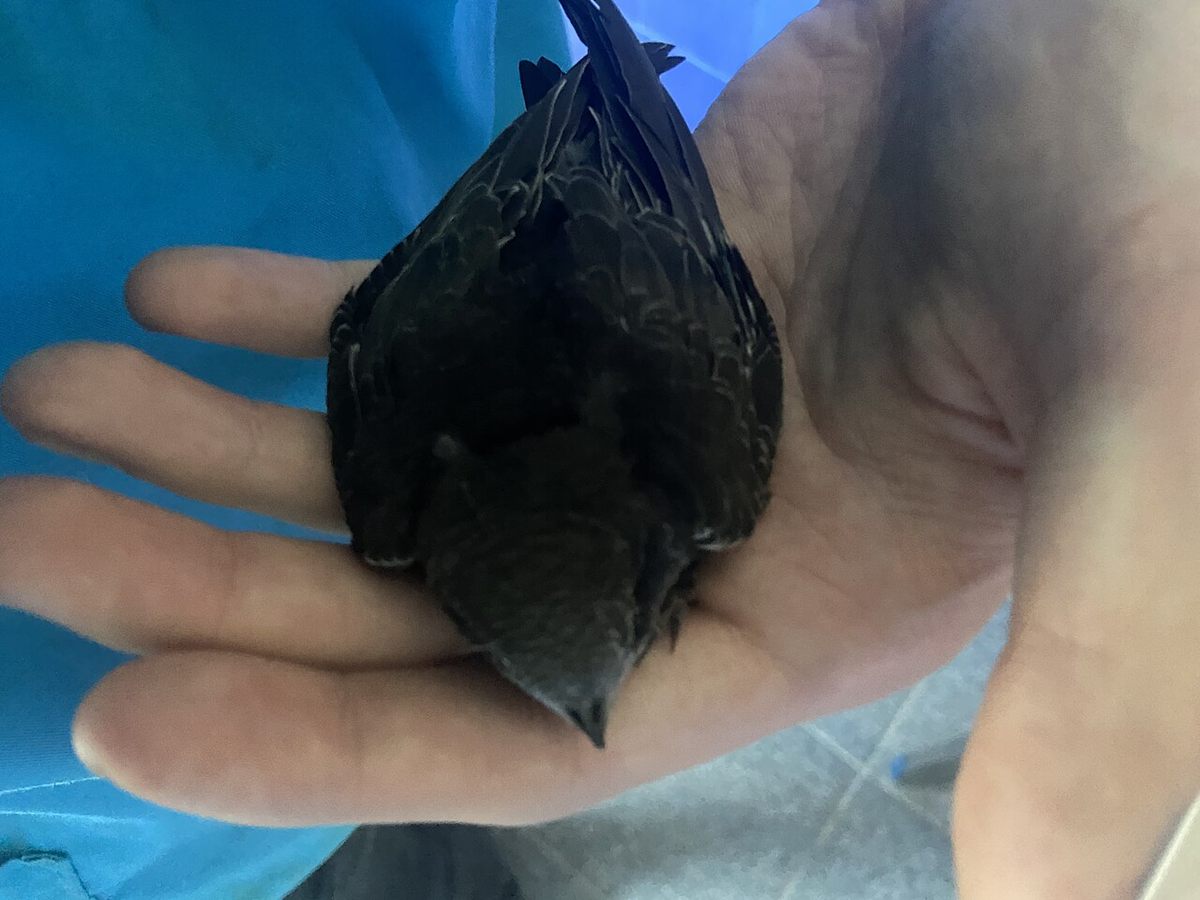
The common swift (Apus apus) is a scythe-winged, sooty bird that spends almost its entire life in the air. After leaving the nest, young swifts may not land for two or three years, and adults stay aloft for as long as ten months at a time.
The common swift (Apus apus) is a scythe-winged, sooty bird that spends almost its entire life in the air. After leaving the nest, young swifts may not land for two or three years, and adults stay aloft for as long as ten months at a time.
🧬 Field Guide Specimen: Open Common Swift in the CRV Science Field Guide to log the specimen, see its place among the Reptilia lineages in the Cladogram Explorer, and test your recall in the Red List conservation game.
Ten Months Without Landing
Small data loggers attached to swifts in 2016 showed that birds flying between Sweden and Africa stayed airborne for ten months of the year, eating, drinking, mating-related displays and even sleeping on the wing. They land only to nest.
Sleeping in Flight
Swifts are thought to rest half their brain at a time, as dolphins do, or take brief naps while gliding. They gather insects and spiders carried on the wind and drink by skimming over water.
Built for the Air
The legs are tiny and nearly useless on the ground (the genus name Apus means "without feet"). Swifts are not related to swallows, and their resemblance is due to convergent evolution for aerial feeding.
Common Swift at a Glance
| Property | Value |
|---|---|
| Scientific name | Apus apus |
| Kingdom | Animalia |
| Phylum | Chordata |
| Class | Aves |
| Order | Apodiformes |
| Family | Apodidae |
| Field Guide group | Reptilia: Aves (Birds) |
| Diagnostic feature (Field Guide) | Sooty-brown sickle-winged aerialist with tiny clinging feet; can stay airborne for 10 months without landing. |
| IUCN Red List status | Least Concern (LC), assessed 2025 |
| Time aloft | Up to about 10 months |
See Also
- Ruby-throated Hummingbird — another migratory flier
- Bee Hummingbird — a close relative in the order Apodiformes