Domestic Cat
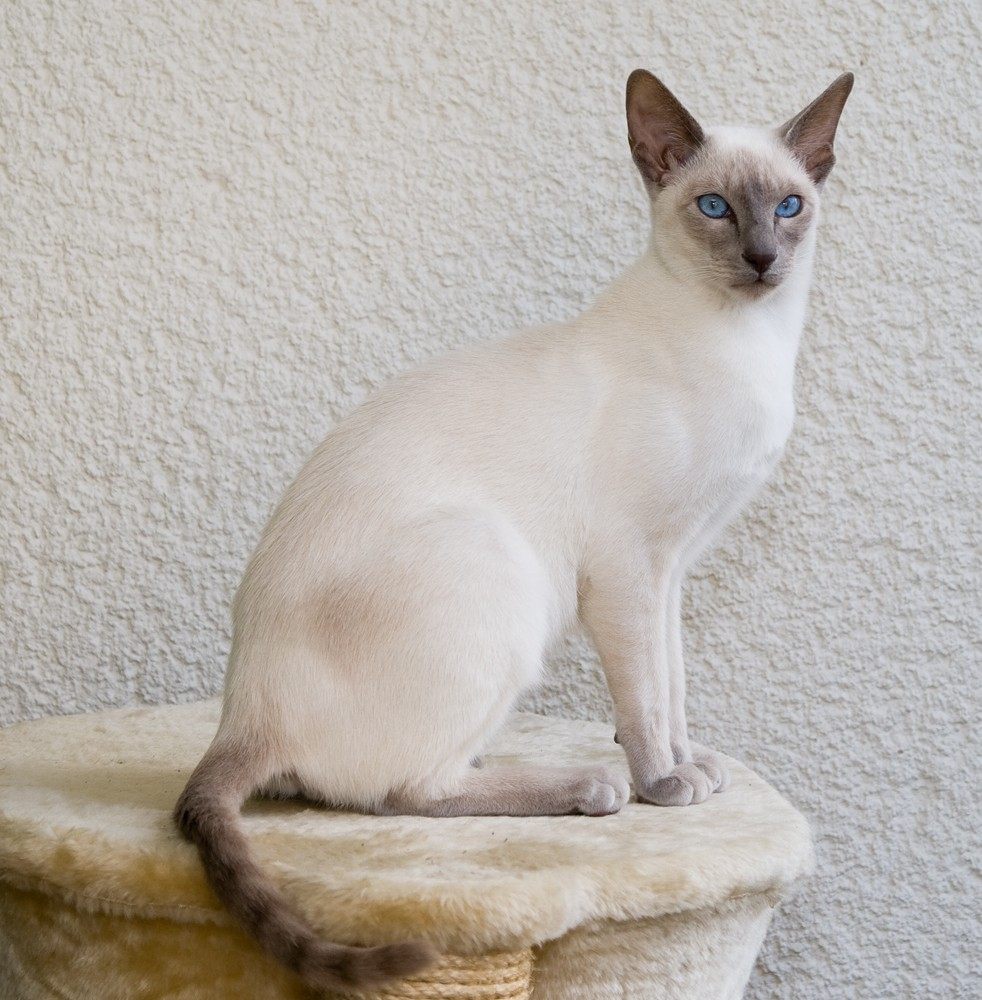
The domestic cat (Felis catus) descends from the African wildcat and was domesticated in the Near East roughly 9,000 to 10,000 years ago. It is a popular pet and, when free-ranging, a major predator of birds and small mammals.
The domestic cat (Felis catus) descends from the African wildcat and was domesticated in the Near East roughly 9,000 to 10,000 years ago. It is a popular pet and, when free-ranging, a major predator of birds and small mammals.
🧬 Field Guide Specimen: Open Domestic Cat in the CRV Science Field Guide to log the specimen, see its place among the Mammals lineages in the Cladogram Explorer, and test your recall in the Red List conservation game.
A Self-Domesticated Predator
Cats probably joined human settlements to hunt the rodents that raided grain stores, and tamer individuals were tolerated. Genetic studies suggest two waves of spread, from the Near East and later from Egypt. Cats changed less than dogs, retaining hunting instincts.
Obligate Carnivores
Cats need nutrients found in animal tissue, such as taurine, and cannot taste sweetness because a gene for the sweet receptor is broken. Purring is produced by rapid twitching of the laryngeal muscles.
Impact on Wildlife
In the United States, free-ranging cats kill billions of birds and small mammals each year by some estimates, and cats have contributed to the extinction of many island species. Cats are also the only definitive hosts of the parasite Toxoplasma gondii.
Domestic Cat at a Glance
| Property | Value |
|---|---|
| Scientific name | Felis catus |
| Kingdom | Animalia |
| Phylum | Chordata |
| Class | Mammalia |
| Order | Carnivora |
| Family | Felidae |
| Field Guide group | Mammals: Eutheria (Placentals) |
| Diagnostic feature (Field Guide) | Foundational model for neurophysiology, visual cortex mapping, and invasive species ecology. |
| Wild ancestor | African wildcat |
| Domesticated | About 9,000 to 10,000 years ago |