Freshwater Sponge
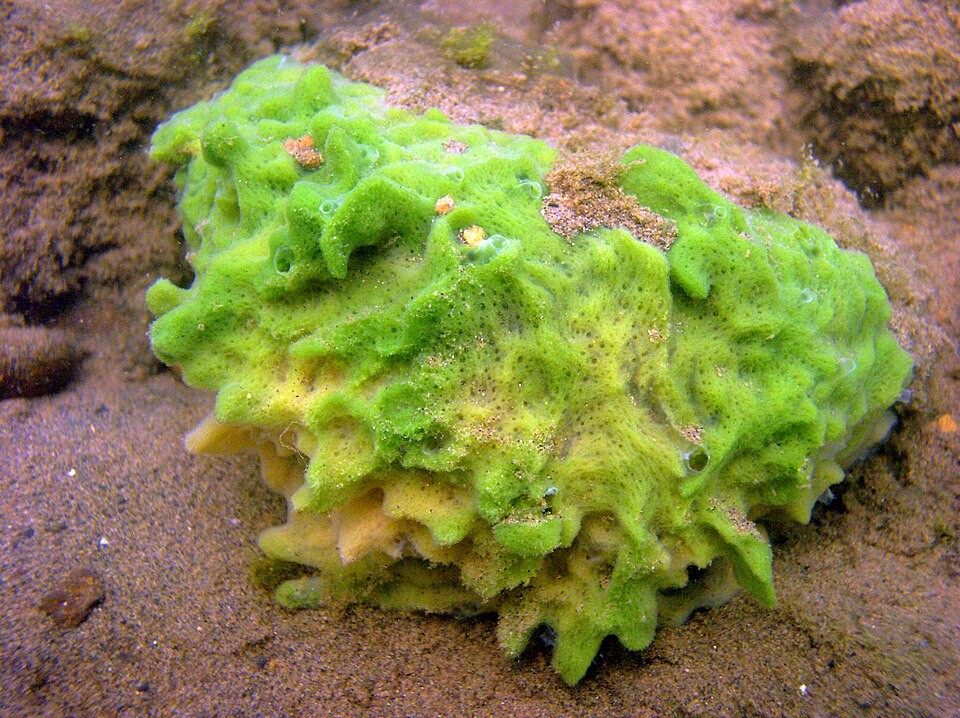
The freshwater sponge (Spongilla lacustris) is a branching, often green sponge that grows on submerged stones and sticks in lakes and slow rivers across the Northern Hemisphere. Most sponges live in the sea, and this group is a rare freshwater exception.
The freshwater sponge (Spongilla lacustris) is a branching, often green sponge that grows on submerged stones and sticks in lakes and slow rivers across the Northern Hemisphere. Most sponges live in the sea, and this group is a rare freshwater exception.
🧬 Field Guide Specimen: Open Freshwater Sponge in the CRV Science Field Guide to log the specimen, see its place among the Metazoa lineages in the Cladogram Explorer, and test your recall in the Red List conservation game.
Green From Algal Partners
In sunlit water, the sponge hosts symbiotic green algae in its tissues, which give it a green color and supply it with sugars. In shade it is pale.
Gemmules: Surviving Winter and Drought
As the water cools or the pond dries, the sponge produces gemmules, tough balls of cells wrapped in silica-spiked coats, and the adult body dies back. Gemmules survive freezing and drying and hatch into new sponges when conditions improve.
A Clean-Water Indicator
Spongilla filters bacteria and algae from the water and is sensitive to pollution. The larvae of spongillaflies (Sisyra) live on it and feed on its tissue.
Freshwater Sponge at a Glance
| Property | Value |
|---|---|
| Scientific name | Spongilla lacustris |
| Kingdom | Animalia |
| Phylum | Porifera |
| Class | Demospongiae |
| Order | Spongillida |
| Family | Spongillidae |
| Field Guide group | Porifera: Sponges (Basal Metazoans) |
| Diagnostic feature (Field Guide) | Branching green or yellowish colonies living in freshwater lakes/rivers, harboring symbiotic zoochlorellae algae, producing overwintering gemmules. |
| Order | Spongillida |
| Survival stage | Gemmules |