German Cockroach
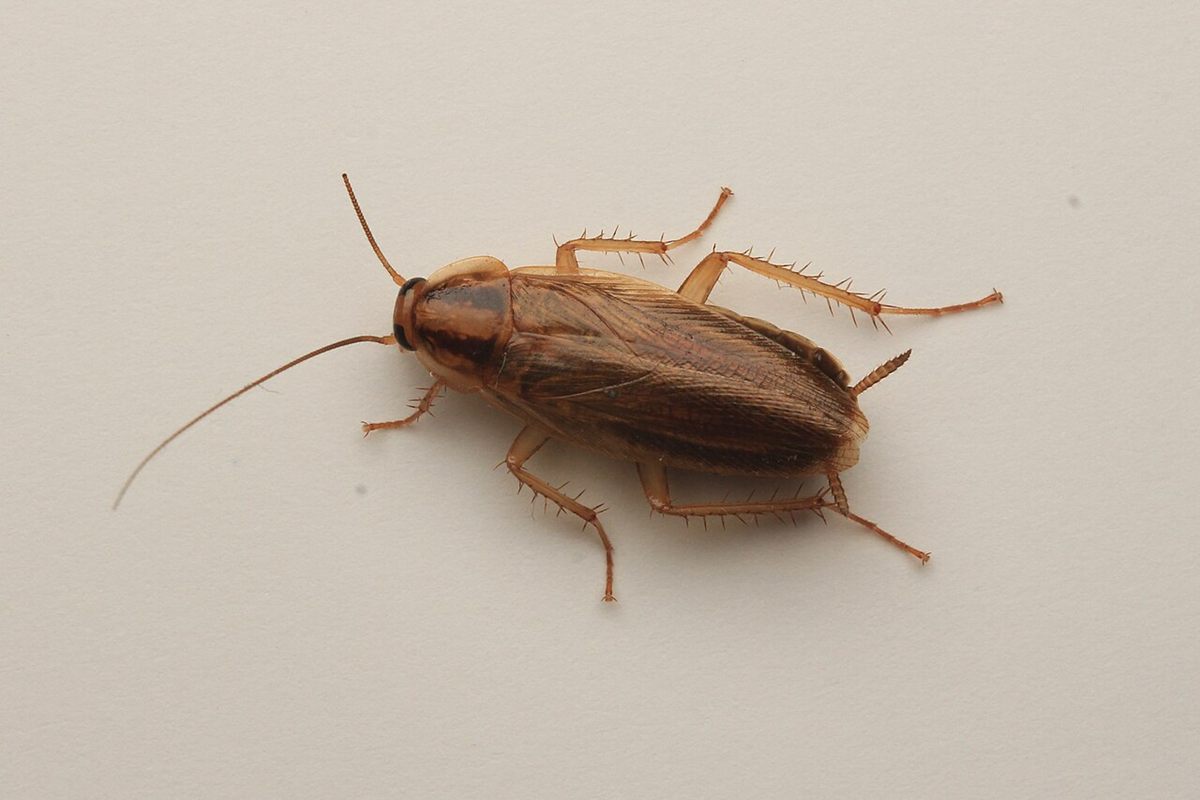
The German cockroach (Blattella germanica) is a small, light brown cockroach that lives in buildings worldwide and is one of the most common indoor pests. It thrives in warm, humid kitchens and bathrooms.
The German cockroach (Blattella germanica) is a small, light brown cockroach that lives in buildings worldwide and is one of the most common indoor pests. It thrives in warm, humid kitchens and bathrooms.
🧬 Field Guide Specimen: Open German Cockroach in the CRV Science Field Guide to log the specimen, see its place among the Ecdysozoa lineages in the Cladogram Explorer, and test your recall in the Red List conservation game.
Evolving Around Our Baits
German cockroaches have evolved resistance to many insecticides. In the 1990s some populations also developed an aversion to glucose, the sugar used in baits, because the sweet taste neurons began to signal bitterness, an example of behavioral resistance evolving in response to control.
Where Did It Come From?
Genetic studies indicate that the species originated in South or Southeast Asia, and spread with people in the past few thousand years. Its genome, sequenced in 2018, is rich in genes for chemical sensing and detoxification.
Rapid Breeders
The female carries her egg case (ootheca) until just before the nymphs hatch, which protects it from pesticides. A single female can generate thousands of descendants in a year. See Natural selection.
German Cockroach at a Glance
| Property | Value |
|---|---|
| Scientific name | Blattella germanica |
| Kingdom | Animalia |
| Phylum | Arthropoda |
| Class | Insecta |
| Order | Blattodea |
| Family | Ectobiidae |
| Field Guide group | Ecdysozoa: Hexapoda (Insects) |
| Diagnostic feature (Field Guide) | Small tan household scavenger with two dark parallel stripes on the pronotum; females carry their egg case (ootheca) until it hatches. |
| Genome sequenced | 2018 |
| Pest control challenge | Insecticide and bait resistance |