Great Blue Heron
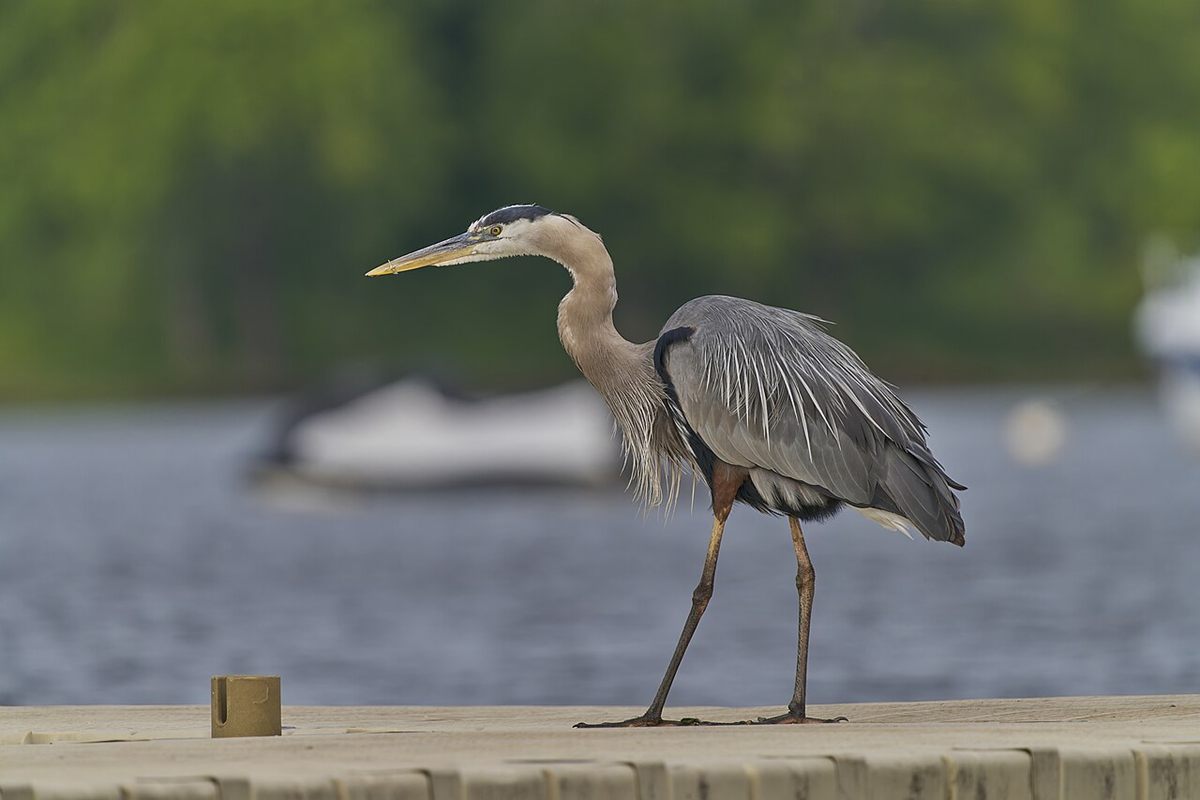
The great blue heron (Ardea herodias) is the largest heron in North America, standing about a meter tall with a wingspan near two meters. It stalks fish in shallow water with exceptional patience.
The great blue heron (Ardea herodias) is the largest heron in North America, standing about a meter tall with a wingspan near two meters. It stalks fish in shallow water with exceptional patience.
🧬 Field Guide Specimen: Open Great Blue Heron in the CRV Science Field Guide to log the specimen, see its place among the Reptilia lineages in the Cladogram Explorer, and test your recall in the Red List conservation game.
The Lightning Strike
A heron stands motionless or wades slowly, then spears a fish with a fast thrust of its neck. The neck, held in an S-shape, is unfolded by a specially hinged sixth vertebra. The heron swallows the fish whole, headfirst.
Powder Down
Patches of feathers that crumble into fine powder help to absorb slime and fish oil from the plumage, which the heron then combs out with a serrated claw on its middle toe.
Colonies in Treetops
Herons nest in colonies called heronries in tall trees, sometimes with dozens of nests. Loss of wetlands and disturbance of heronries are concerns.
Great Blue Heron at a Glance
| Property | Value |
|---|---|
| Scientific name | Ardea herodias |
| Kingdom | Animalia |
| Phylum | Chordata |
| Class | Aves |
| Order | Pelecaniformes |
| Family | Ardeidae |
| Field Guide group | Reptilia: Aves (Birds) |
| Diagnostic feature (Field Guide) | Tall gray-blue wader with long legs, an S-curved neck, and a dagger bill used to spear fish in shallow marshes. |
| IUCN Red List status | Least Concern (LC), assessed 2020 |
| Family | Ardeidae |
| Height | About 1 meter |