Silky Shrew Opossum
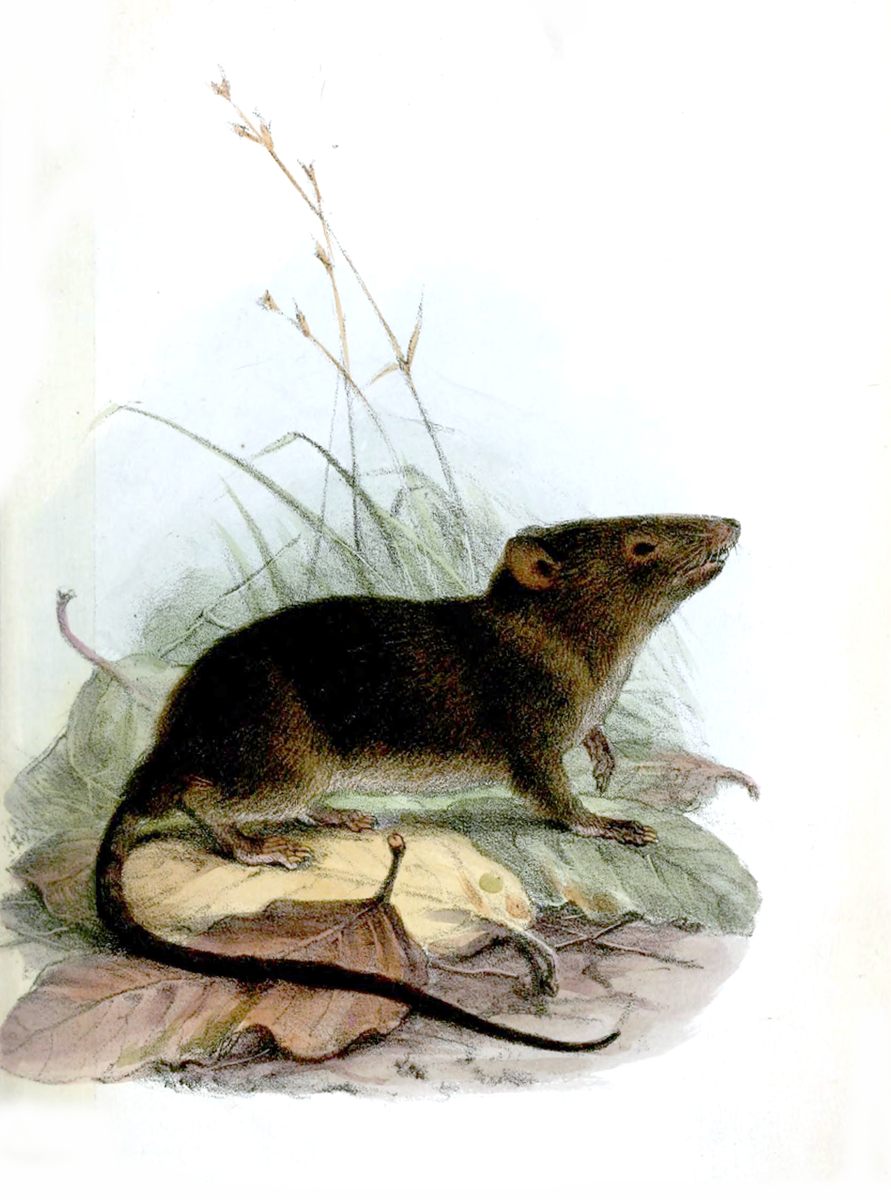
The silky shrew opossum (Caenolestes fuliginosus) is a small, shrew-like marsupial of the cool, wet Andean forests of Colombia, Ecuador and Venezuela. It belongs to the order Paucituberculata, a small and ancient South American lineage.
The silky shrew opossum (Caenolestes fuliginosus) is a small, shrew-like marsupial of the cool, wet Andean forests of Colombia, Ecuador and Venezuela. It belongs to the order Paucituberculata, a small and ancient South American lineage.
🧬 Field Guide Specimen: Open Silky Shrew Opossum in the CRV Science Field Guide to log the specimen, see its place among the Mammals lineages in the Cladogram Explorer, and test your recall in the Red List conservation game.
A Marsupial Without a Pouch
Shrew opossums lack a pouch. They are active at night, hunting insects and other small invertebrates on the forest floor. Their large, forward-pointing lower incisors help them seize prey.
Biogeography: Marsupials Came From the South
Marsupials are thought to have spread from South America to Australia via Antarctica when the southern continents were joined as Gondwana. Today seven species of shrew opossum are the only survivors of Paucituberculata, a group that was once far more diverse.
Where Are They Found?
The species is restricted to montane forests and páramo at high elevation. Because it is small, secretive and lives in remote areas, it is poorly studied. Forest clearing in the Andes is a concern.
Silky Shrew Opossum at a Glance
| Property | Value |
|---|---|
| Scientific name | Caenolestes fuliginosus |
| Kingdom | Animalia |
| Phylum | Chordata |
| Class | Mammalia |
| Order | Paucituberculata |
| Family | Caenolestidae |
| Field Guide group | Mammals: Marsupialia (Metatherians) |
| Diagnostic feature (Field Guide) | Long pointed mobile snout, small eyes, lack of marsupium pouch, forward-projecting lower incisors. |
| IUCN Red List status | Least Concern (LC), assessed 2016 |
| Order | Paucituberculata |
| Habitat | Andean montane forest |