Western Diamondback Rattlesnake
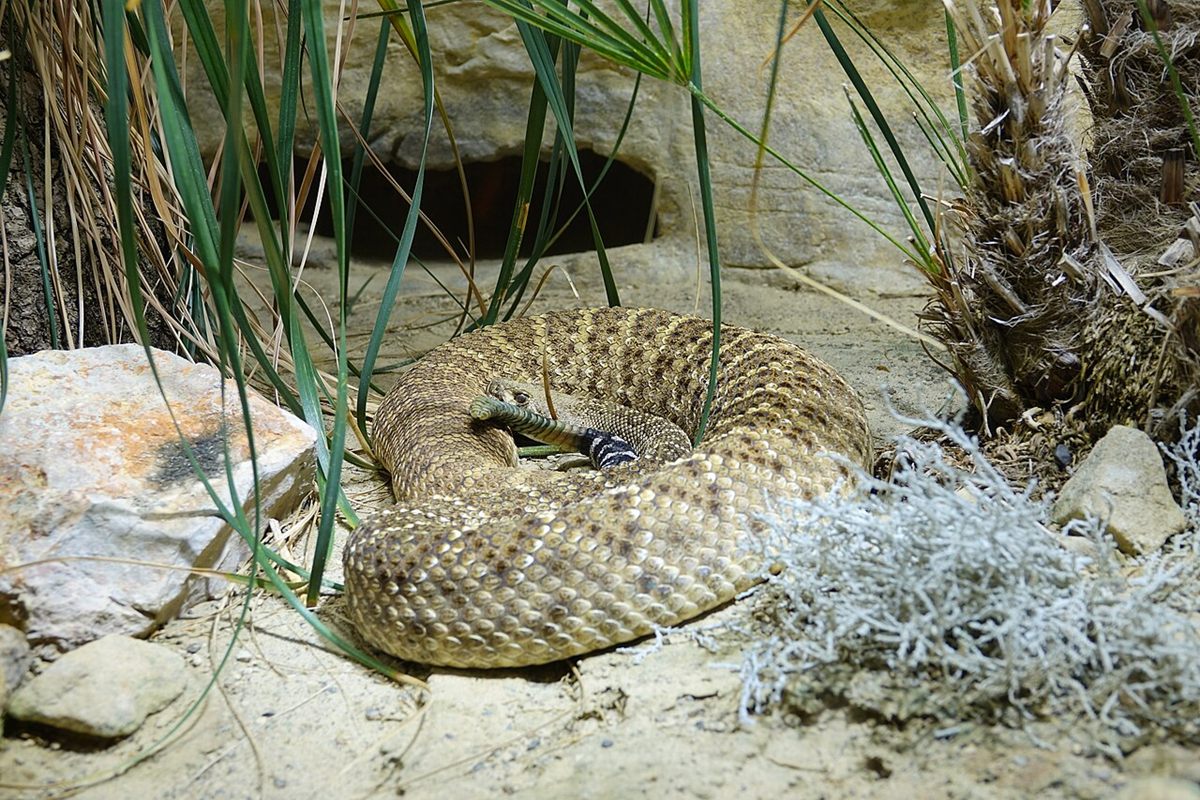
The western diamondback rattlesnake (Crotalus atrox) is a large pit viper of the southwestern United States and Mexico, with diamond-shaped patterns on its back and a rattle on its tail. It is responsible for many venomous snakebites in its range.
The western diamondback rattlesnake (Crotalus atrox) is a large pit viper of the southwestern United States and Mexico, with diamond-shaped patterns on its back and a rattle on its tail. It is responsible for many venomous snakebites in its range.
🧬 Field Guide Specimen: Open Western Diamondback Rattlesnake in the CRV Science Field Guide to log the specimen, see its place among the Reptilia lineages in the Cladogram Explorer, and test your recall in the Red List conservation game.
The Rattle: A Warning Made of Keratin
The rattle is a series of hollow, interlocking keratin segments added at each molt. A rapid shaking creates a buzzing warning that deters large animals that might trample the snake. The number of segments does not give the snake's age exactly.
Venom and Pits
The venom is mostly hemotoxic, breaking down tissues and disrupting blood clotting. Facial pits sense infrared heat from prey. Antivenom made from antibody fragments raised in sheep (CroFab) is used to treat bites. See Antibody.
Roundups and Rodent Control
Rattlesnakes eat many rodents, which benefits farmers. Annual rattlesnake "roundups" in some states have been criticized for harming wild populations.
Western Diamondback Rattlesnake at a Glance
| Property | Value |
|---|---|
| Scientific name | Crotalus atrox |
| Kingdom | Animalia |
| Phylum | Chordata |
| Class | Reptilia |
| Order | Squamata |
| Family | Viperidae |
| Field Guide group | Reptilia (Reptiles) |
| Diagnostic feature (Field Guide) | Diamond-patterned venomous pit viper with hinged front fangs and a tail rattle made of interlocking keratin segments. |
| IUCN Red List status | Least Concern (LC), assessed 2007 |
| Family | Viperidae |
| Venom type | Mainly hemotoxic |