Space Jelly - Bella Canvas T-Shirt
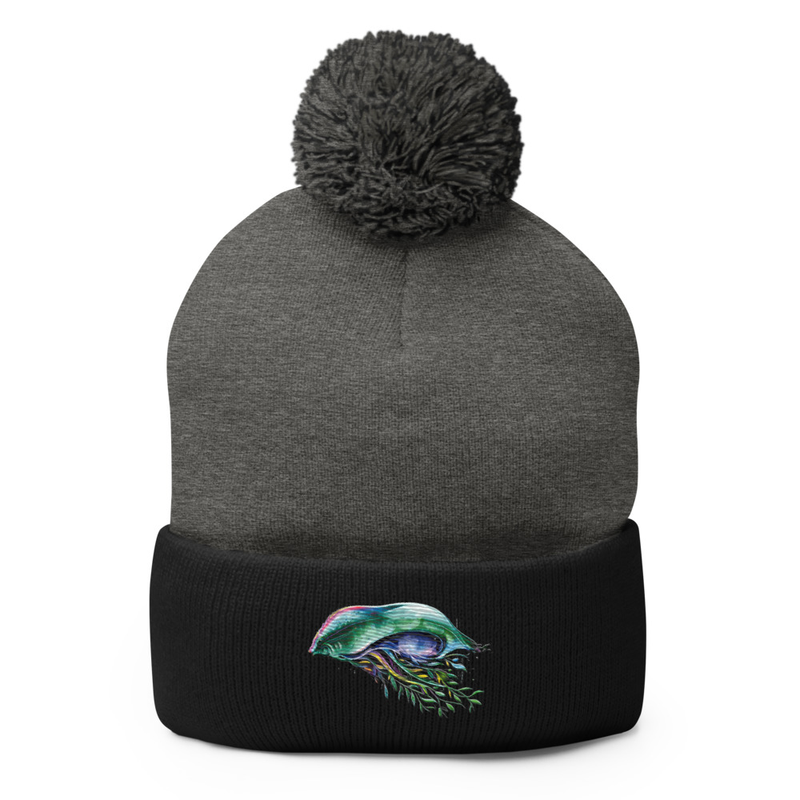
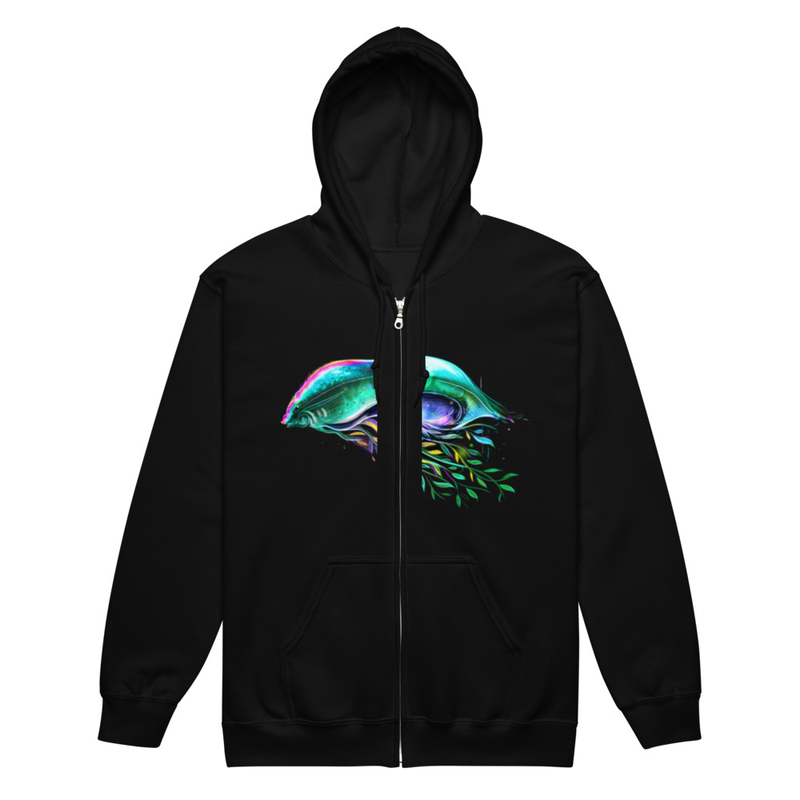
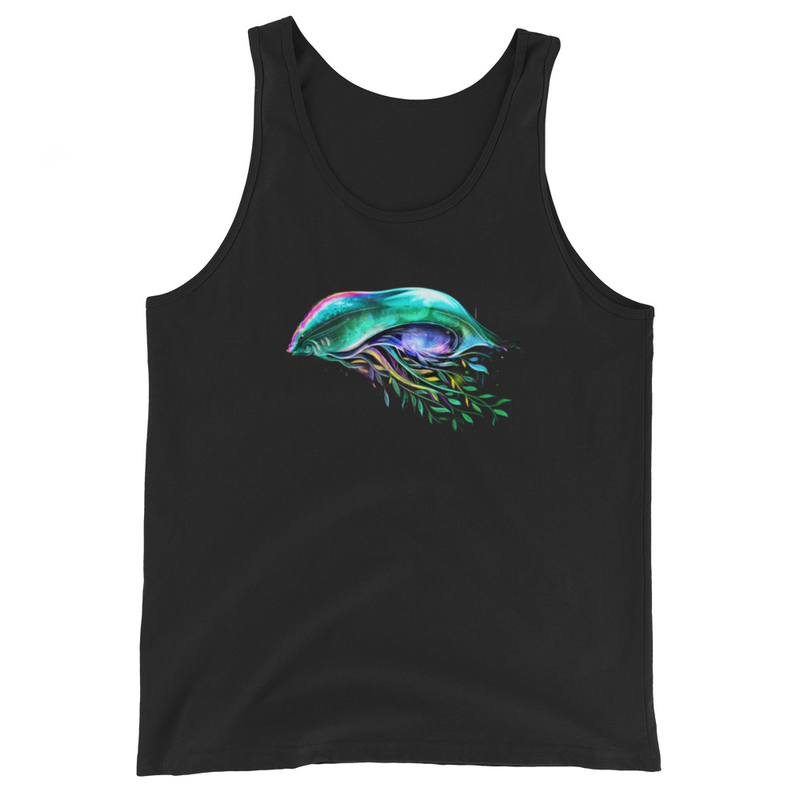
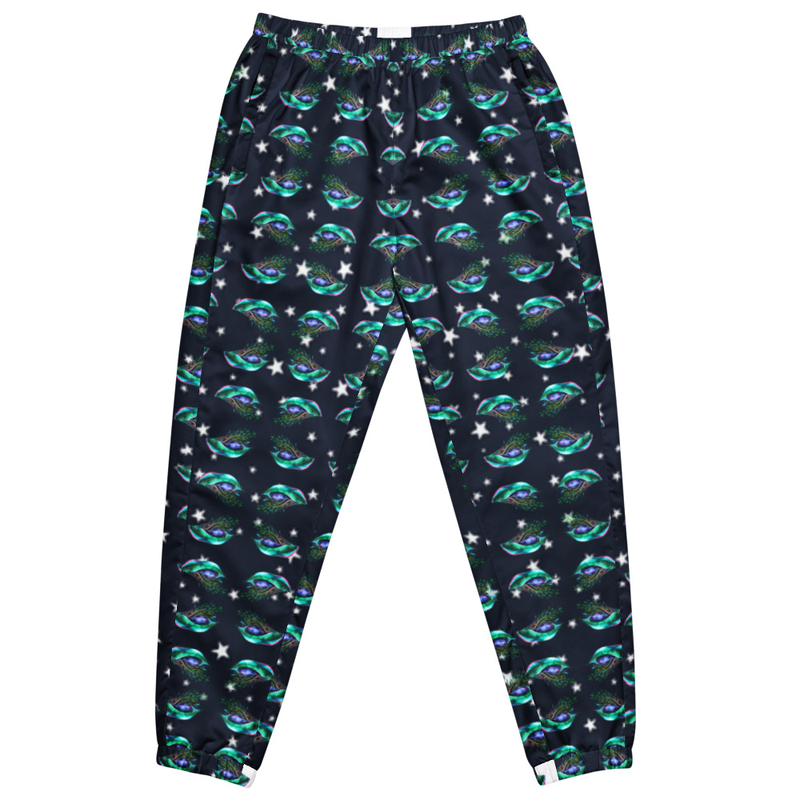
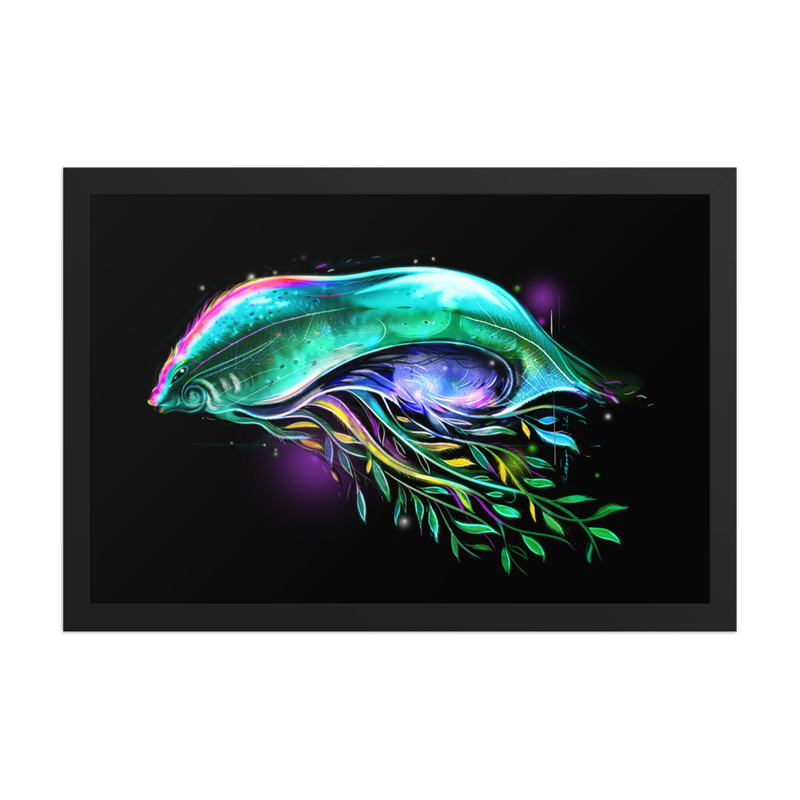
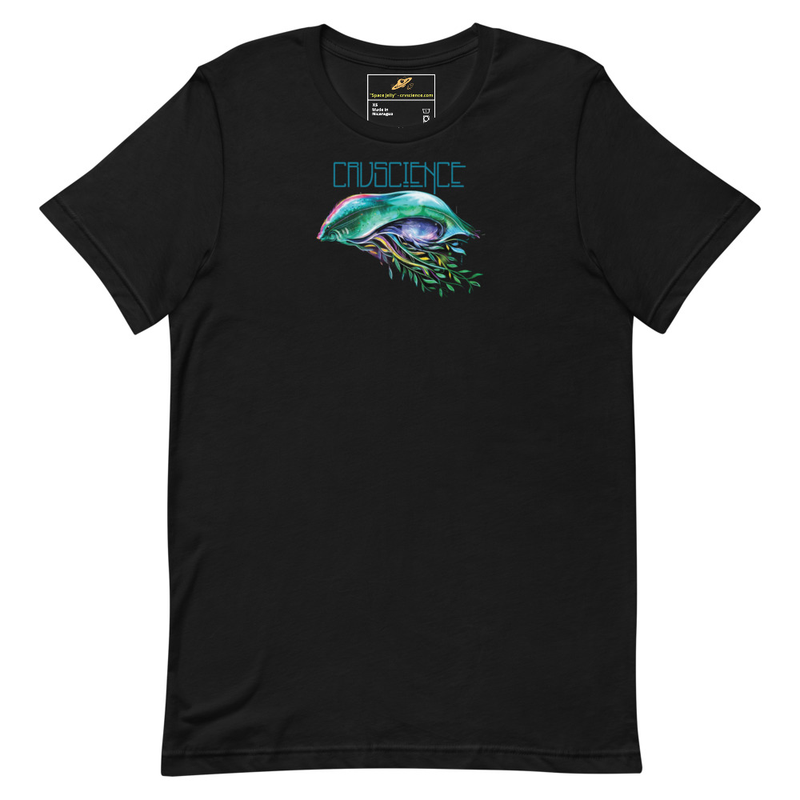
Original science illustration inspired by hypothetical bioluminescent lifeforms drifting through the subsurface oceans beneath the frozen water-ice crust of Saturn's moon, Titan.
Original science and nature designs plus books by CRV Science founder Bryan P. White
Original science illustration inspired by hypothetical bioluminescent lifeforms drifting through the subsurface oceans beneath the frozen water-ice crust of Saturn's moon, Titan.
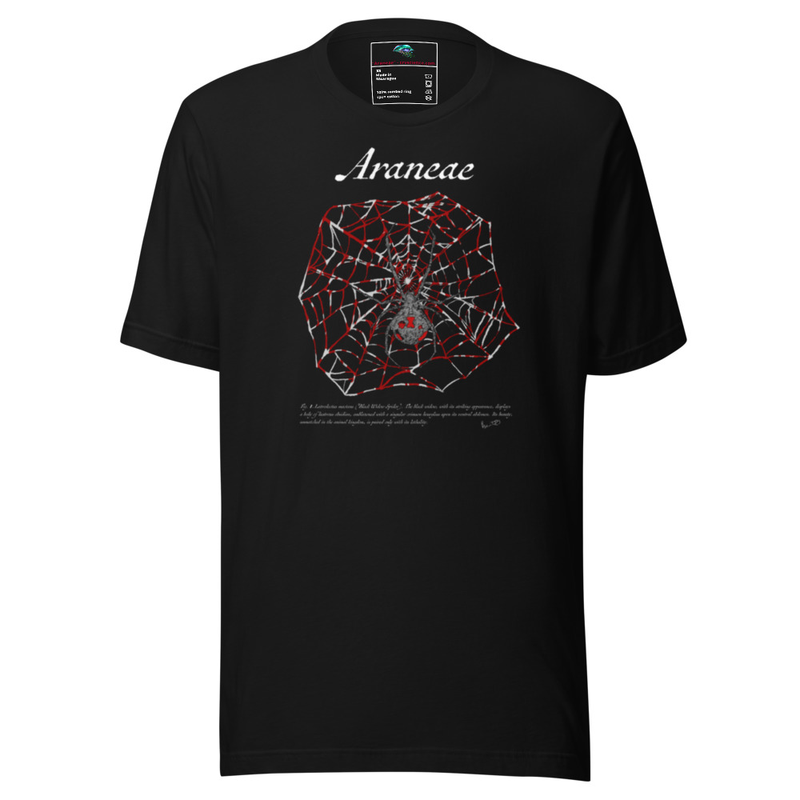
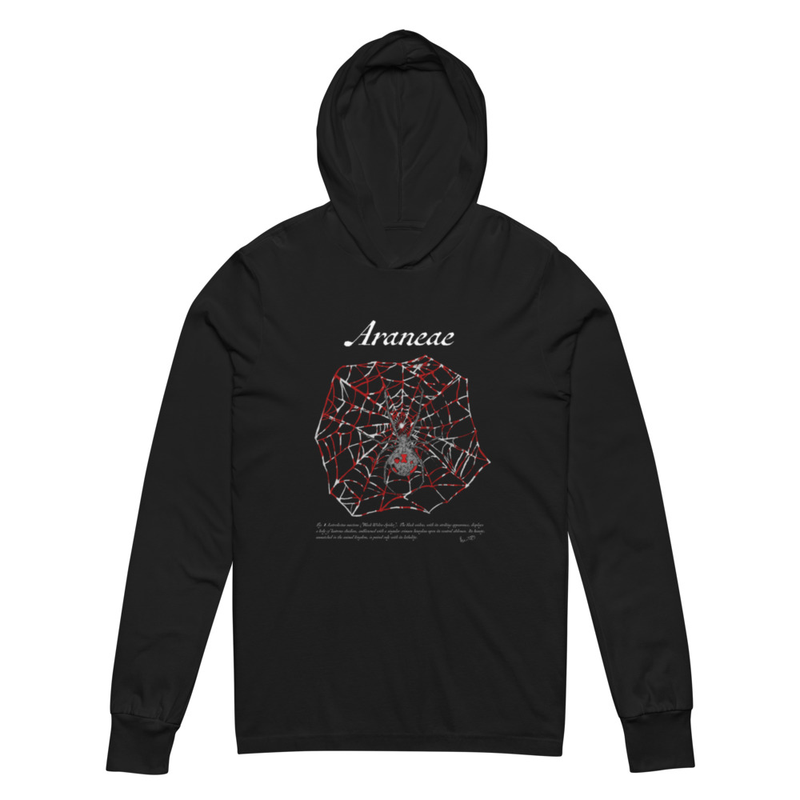
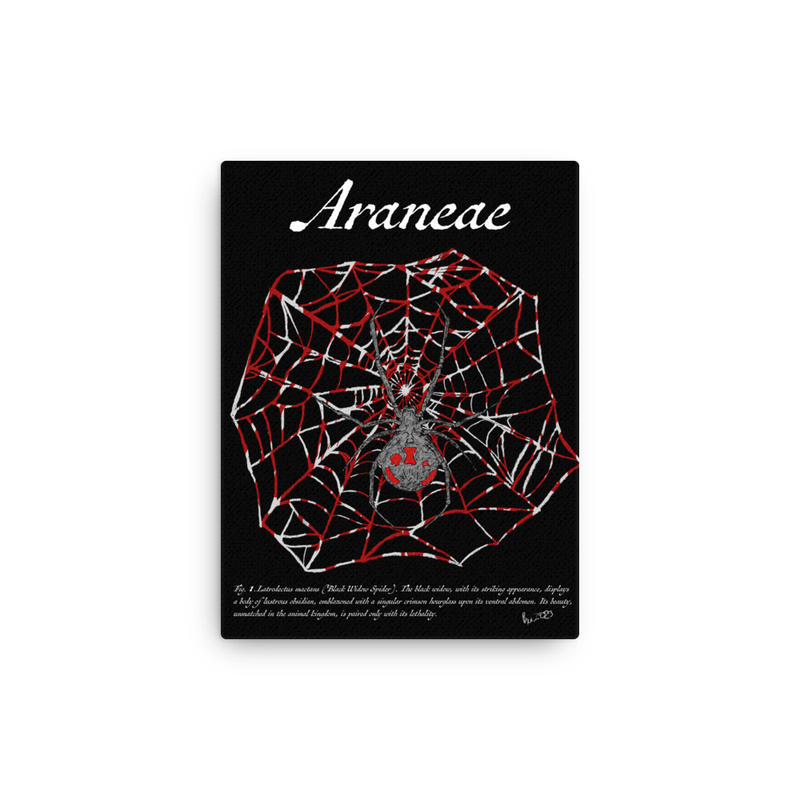
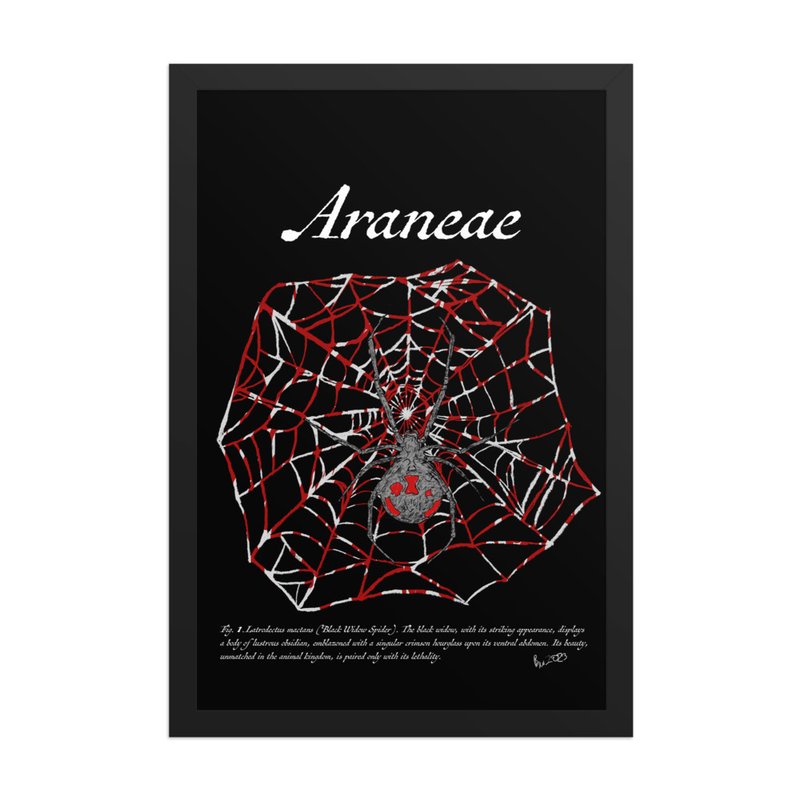
Anatomical study of Latrodectus (Black Widow Spider) and the evolutionary engineering of order Araneae.
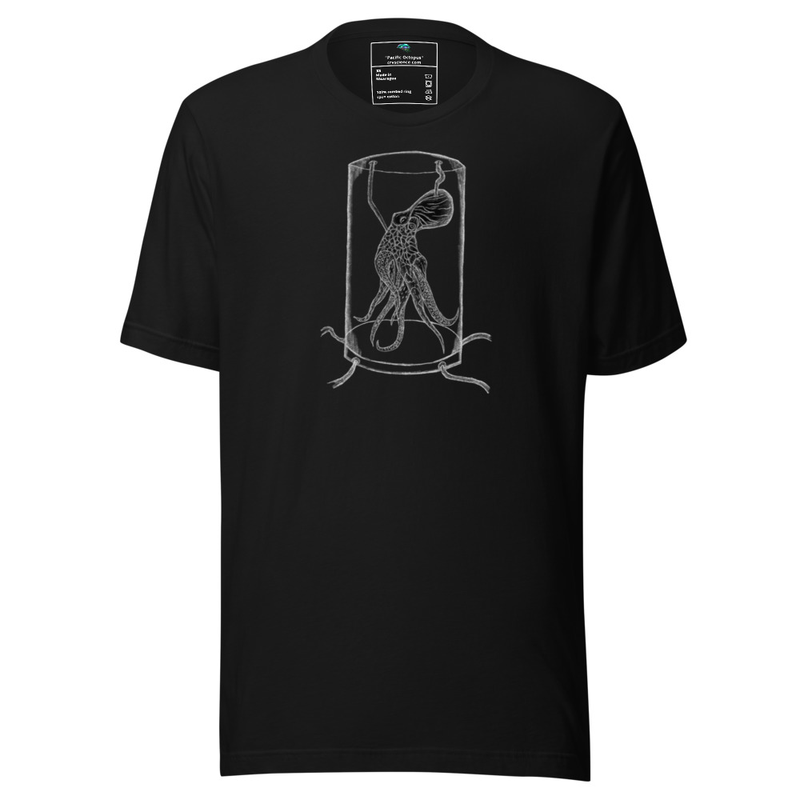
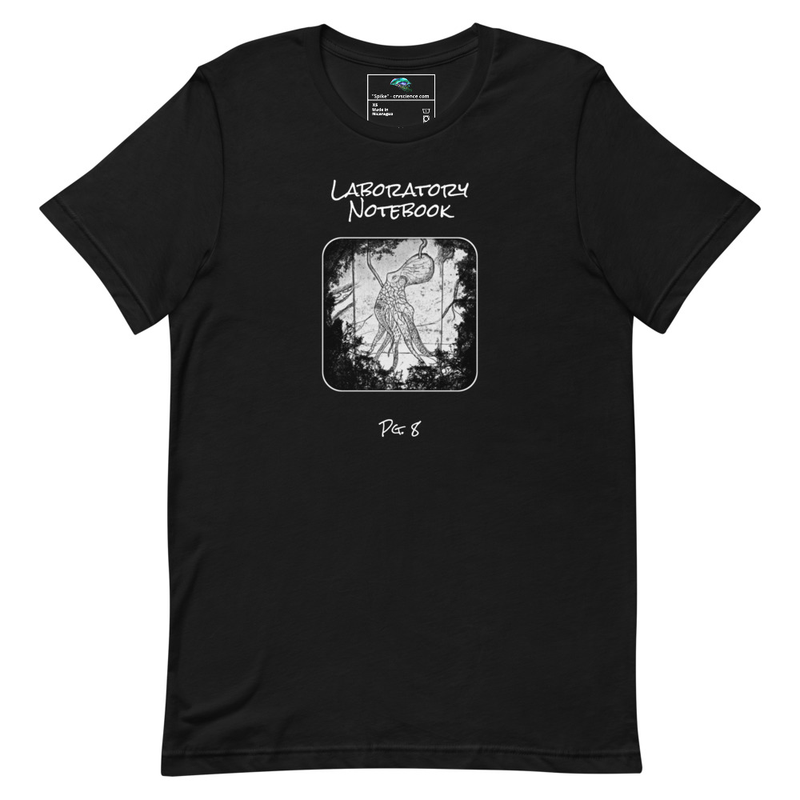
Detailed biological sketch from Laboratory Notebook Page 8 celebrating cephalopod intelligence and marine anatomy.
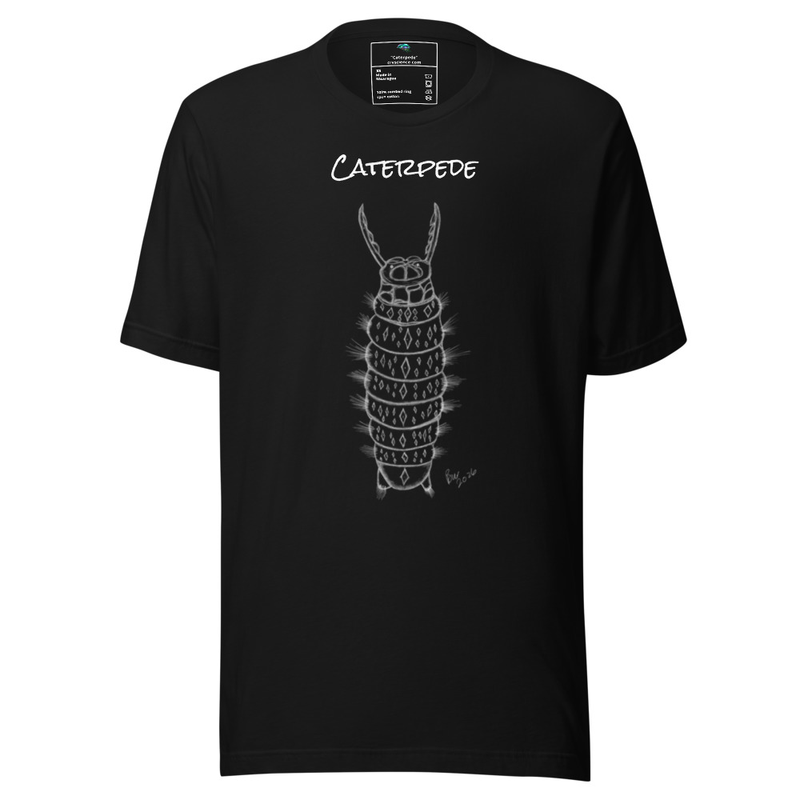
Speculative entomology and myriapod morphology illustration from the CRV Science Laboratory Notebook series blending lepidopteran larva and chilopod metameric anatomy.
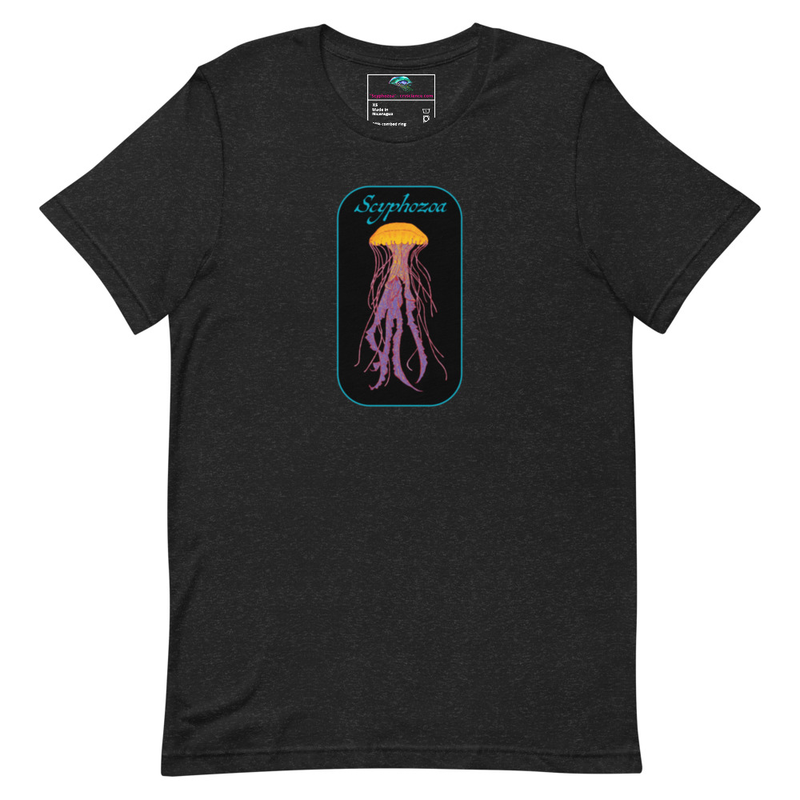
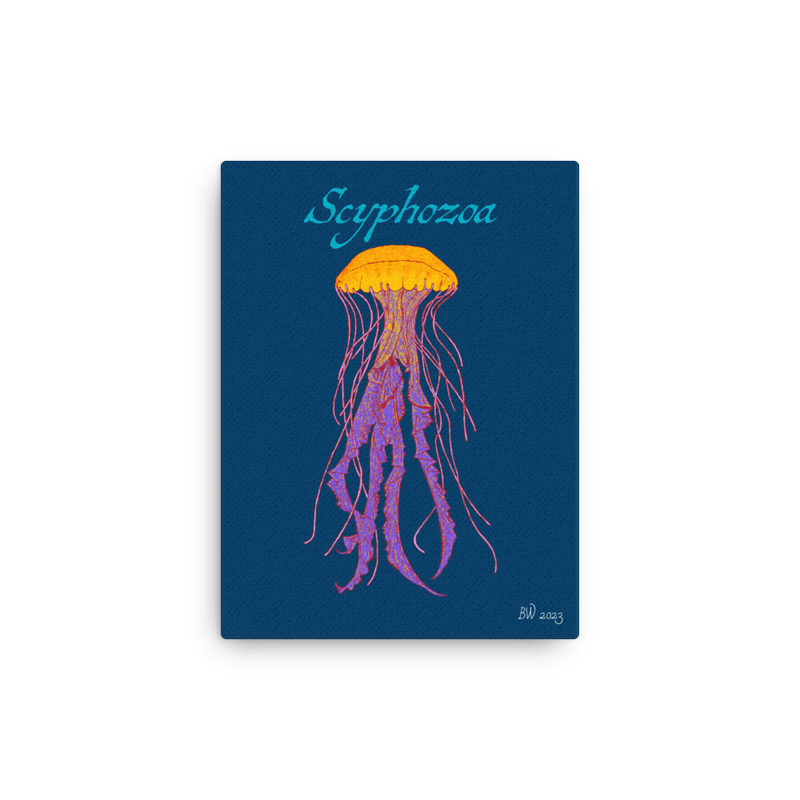
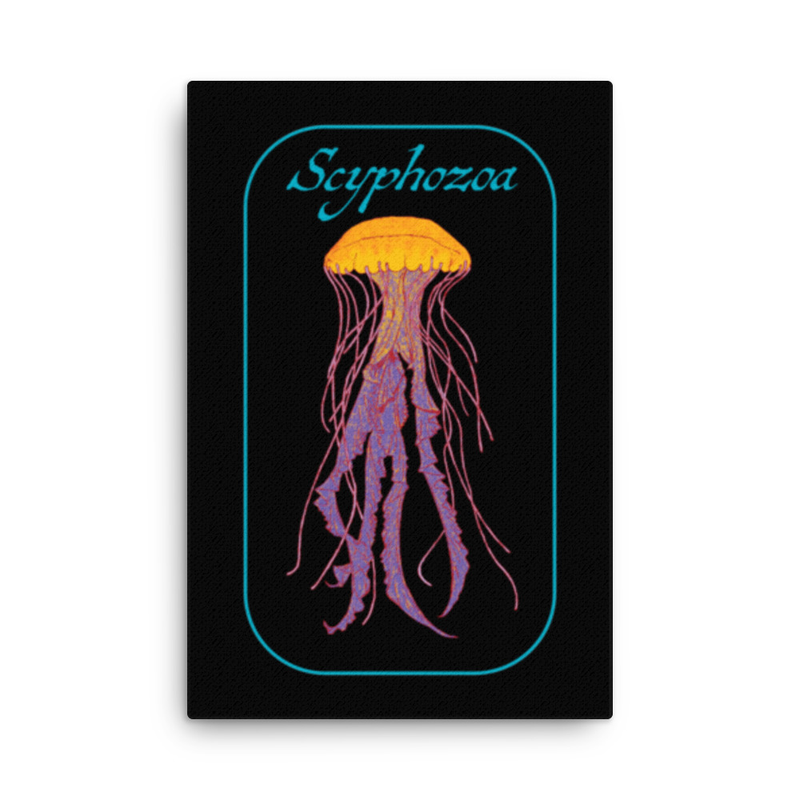
Scientific illustration of class Scyphozoa — true jellyfish and drifting marine cnidarians of the open ocean.
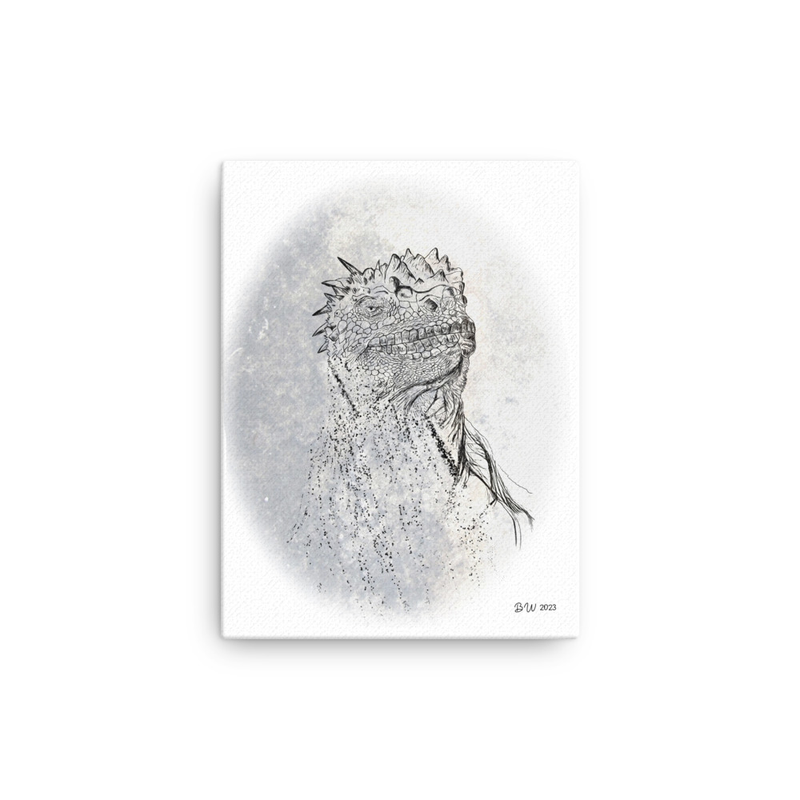
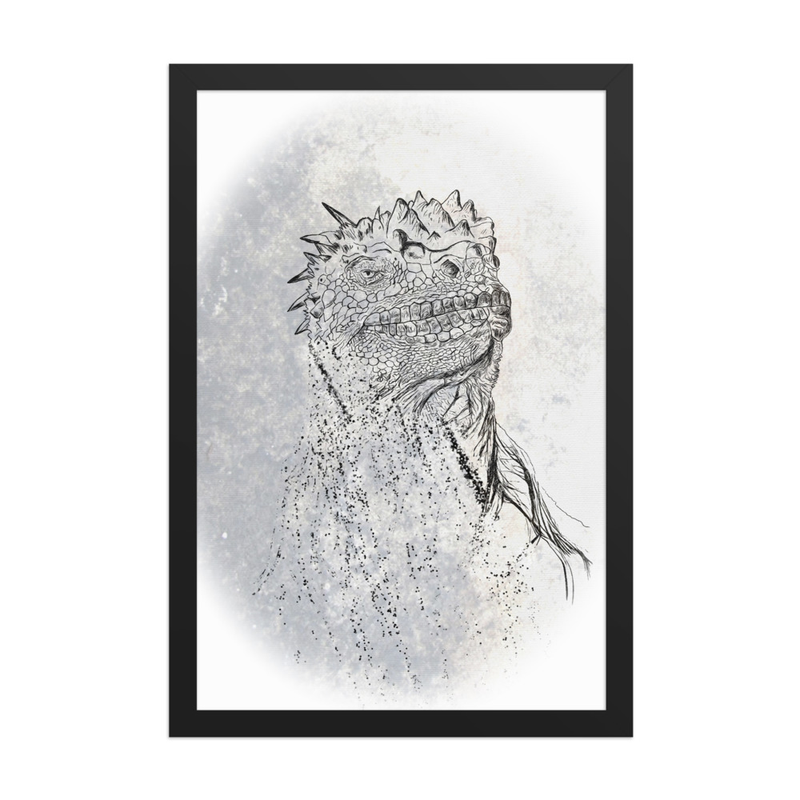
Herpetology tribute to Amblyrhynchus cristatus — the world's only marine-foraging lizard, endemic to the Galápagos Islands.
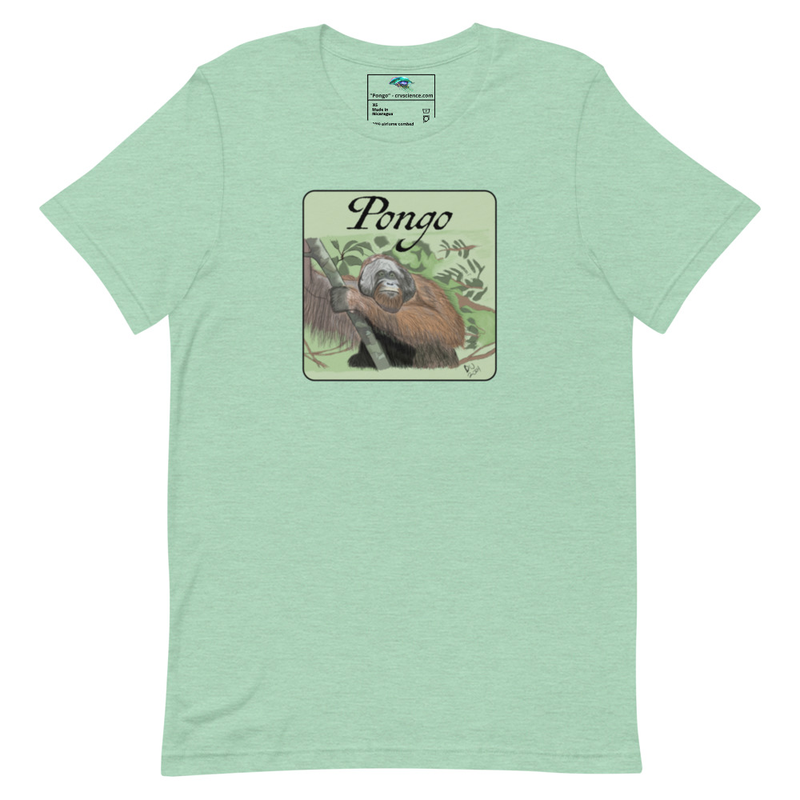
Primatology artwork honoring Pongo pygmaeus, the critically endangered Bornean orangutan of Southeast Asia's rainforest canopies.
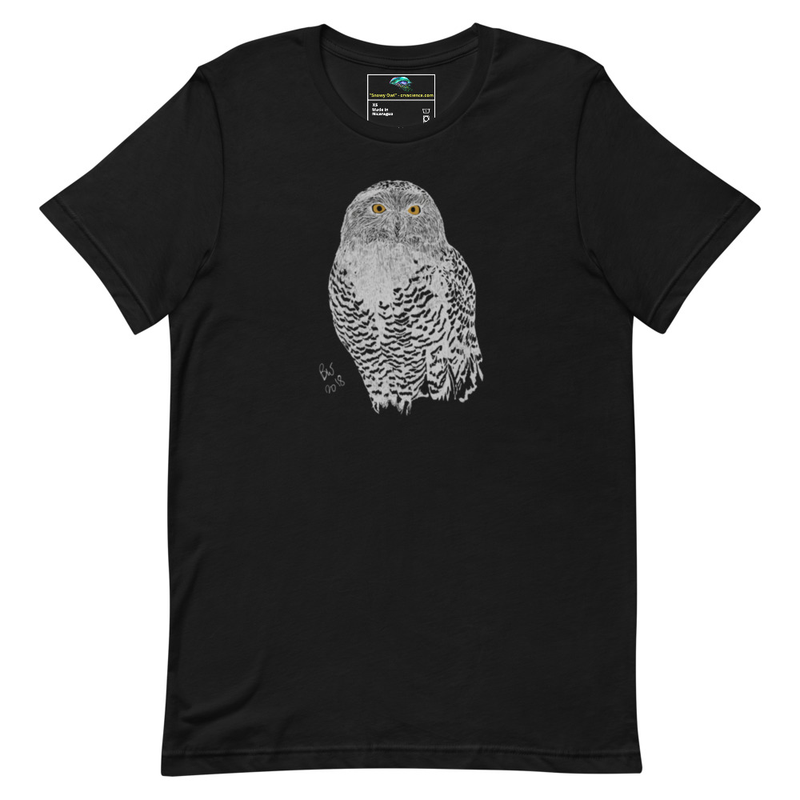
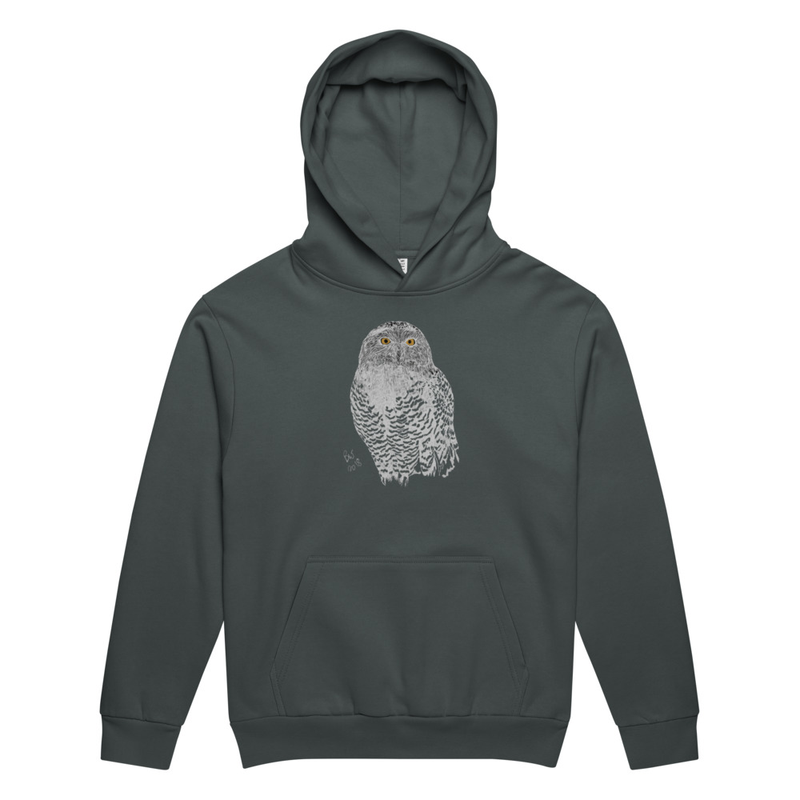
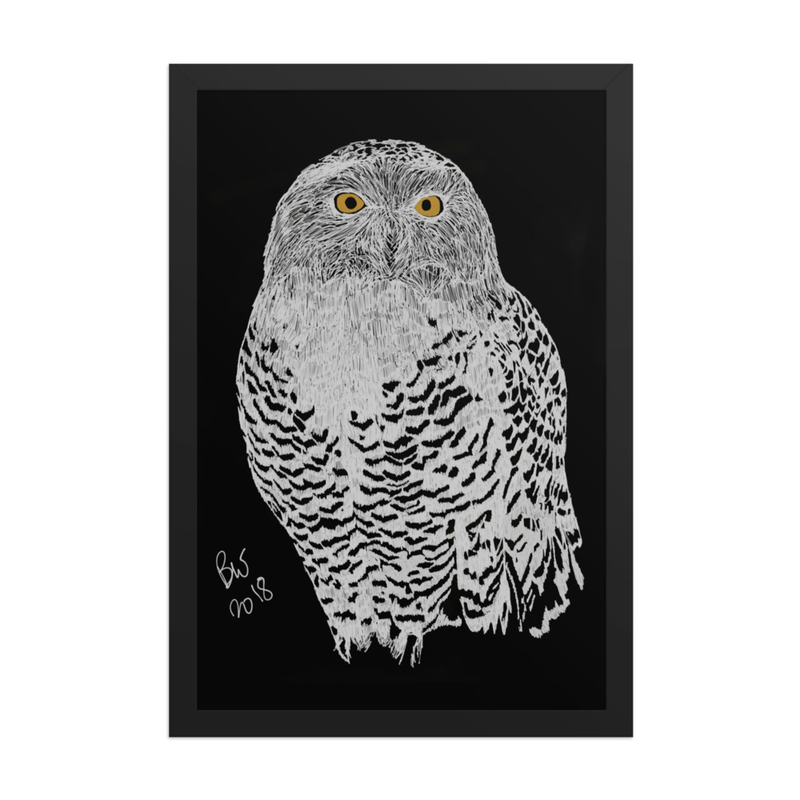
Arctic ornithology illustration of Bubo scandiacus, adapted for tundra survival and silent polar flight.
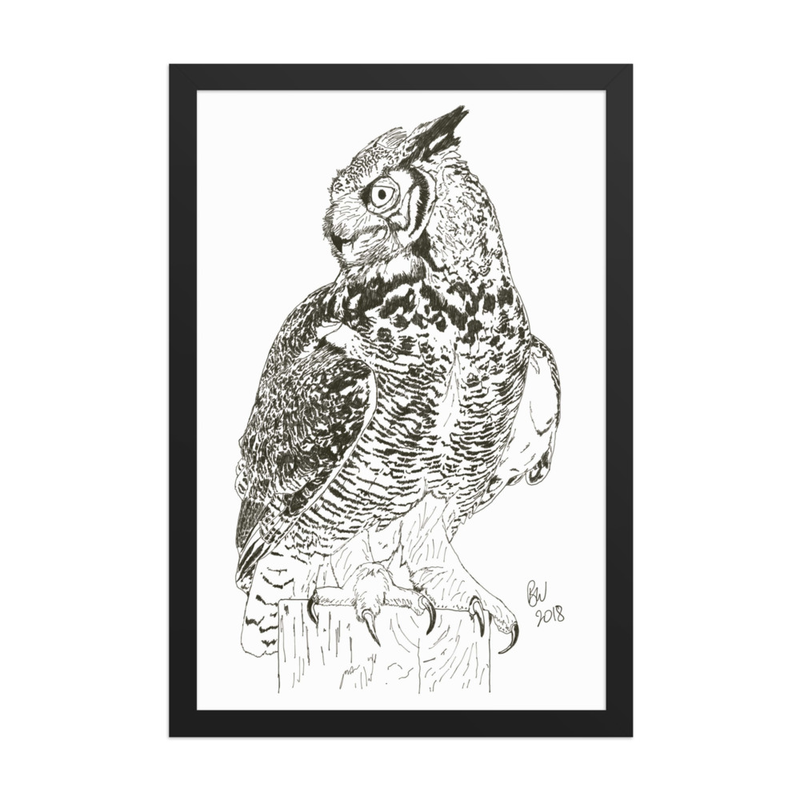
Ornithological portrait of Bubo virginianus, apex nocturnal raptor of the Americas.
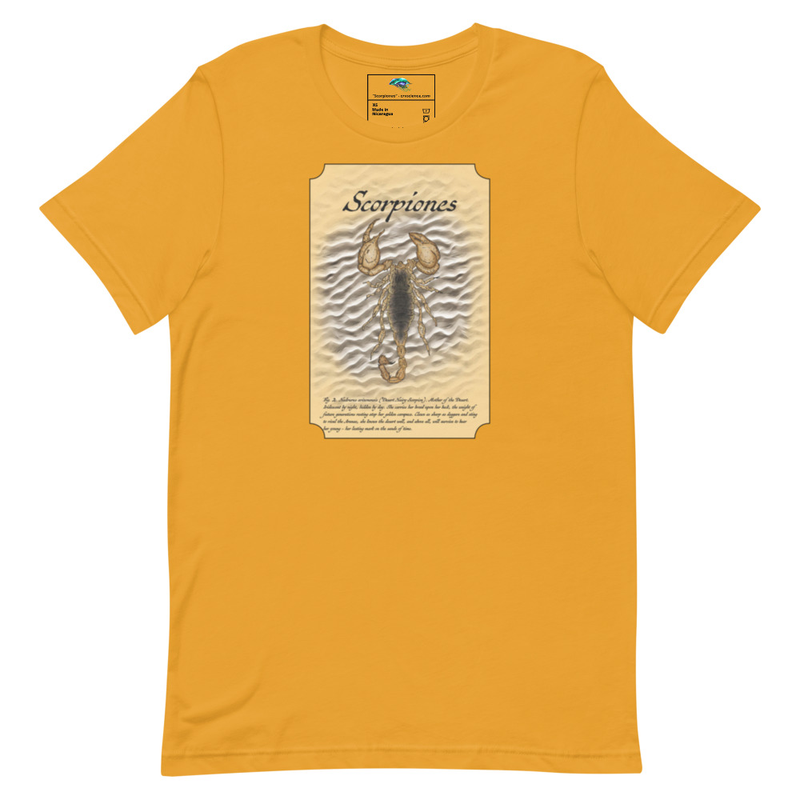
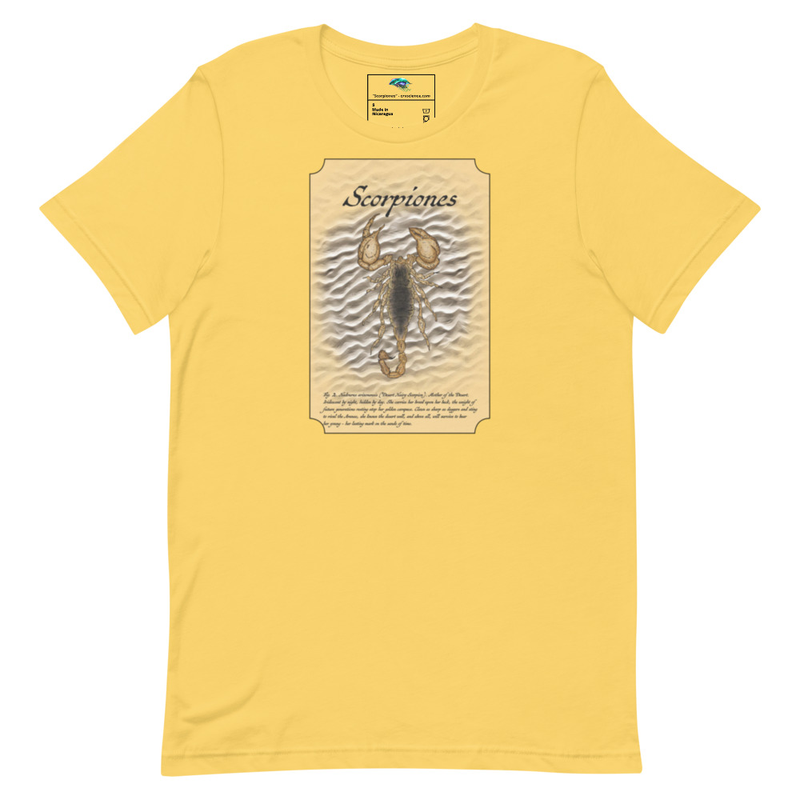
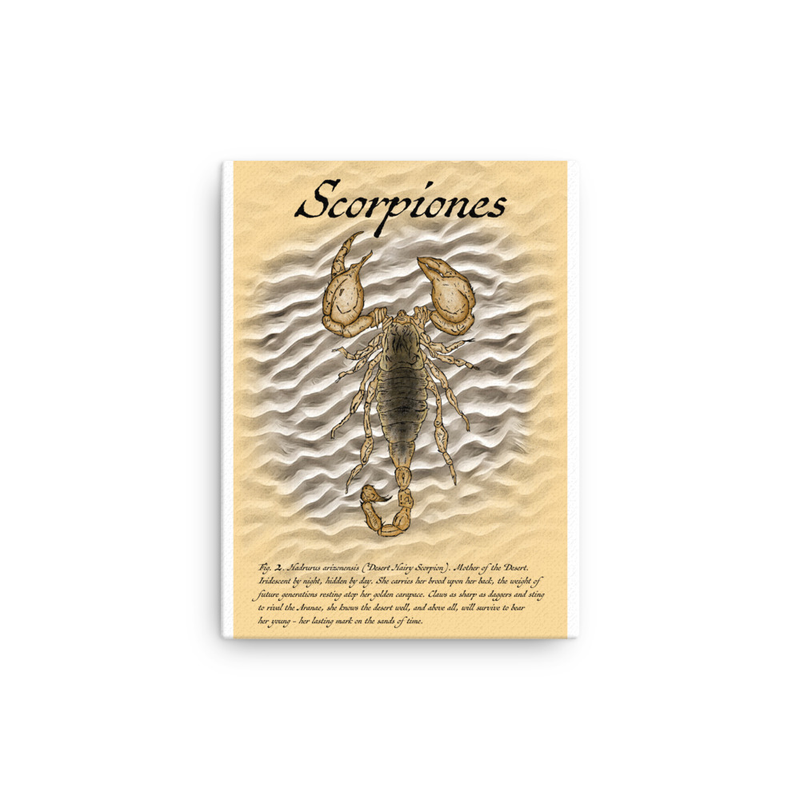
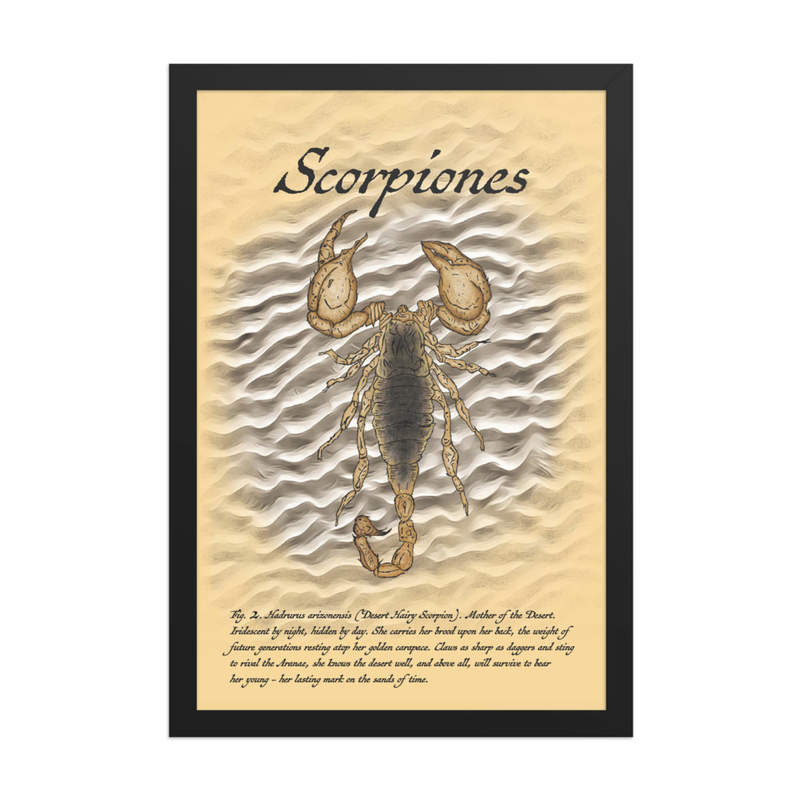
Arachnological field illustration of Hadrurus arizonensis (Desert Hairy Scorpion), North America's largest native scorpion.
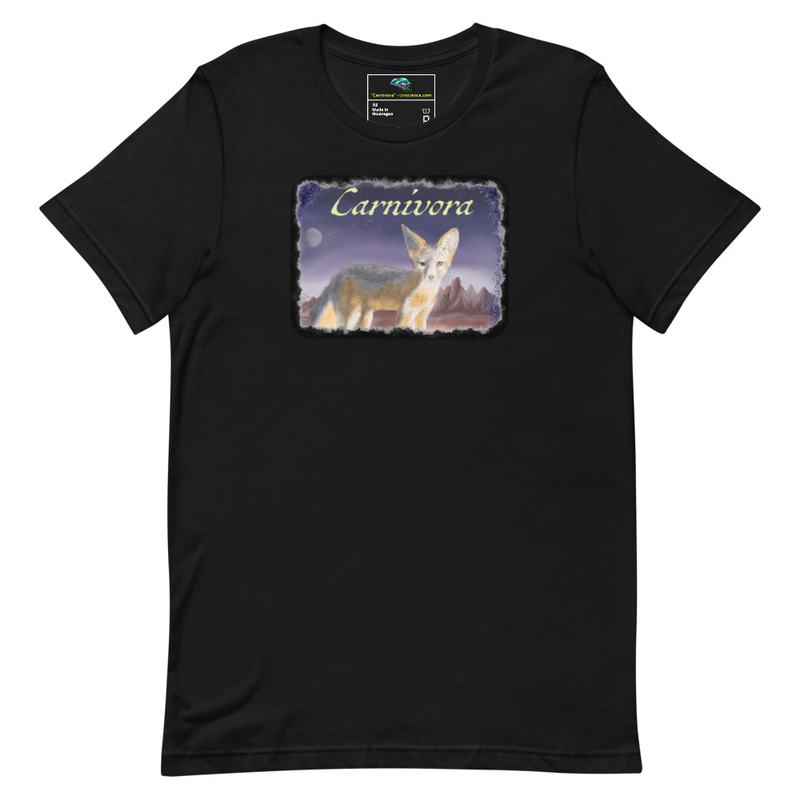
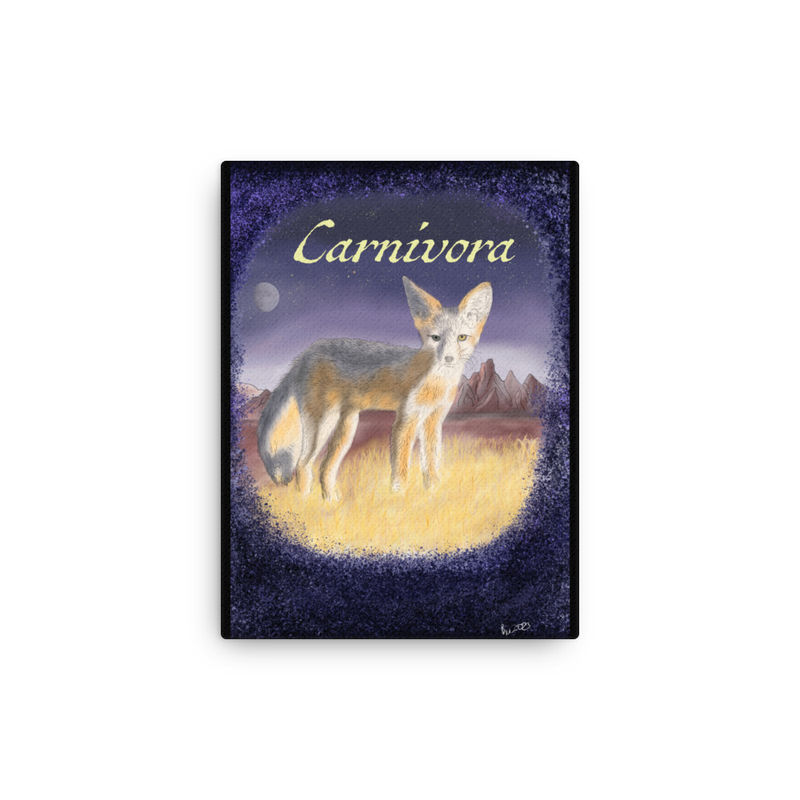
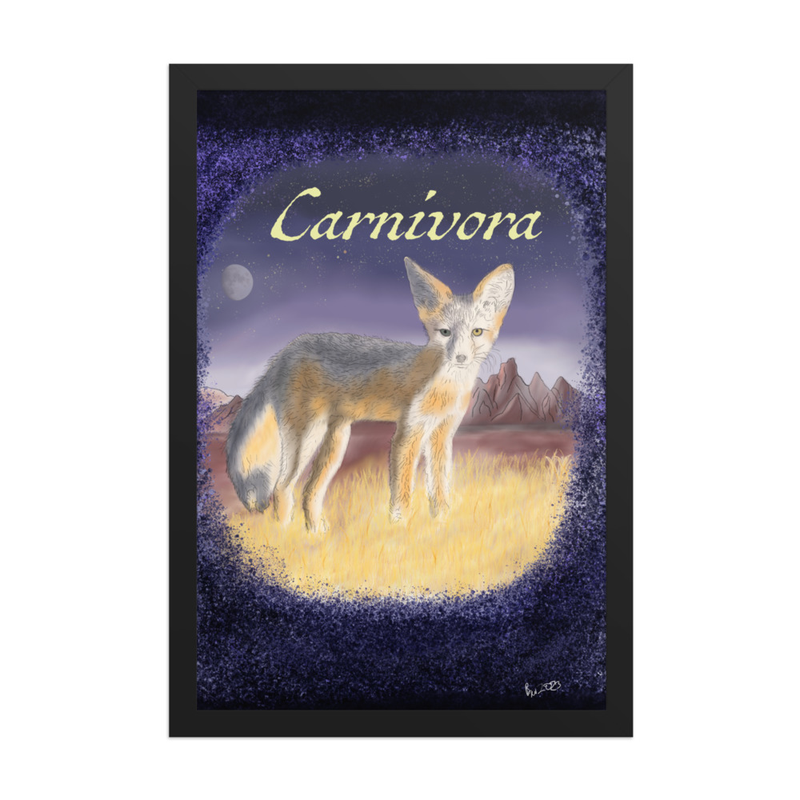
Mammalogy study of Vulpes macrotis (Kit Fox), showcasing desert adaptation and nocturnal arid-ecosystem ecology.
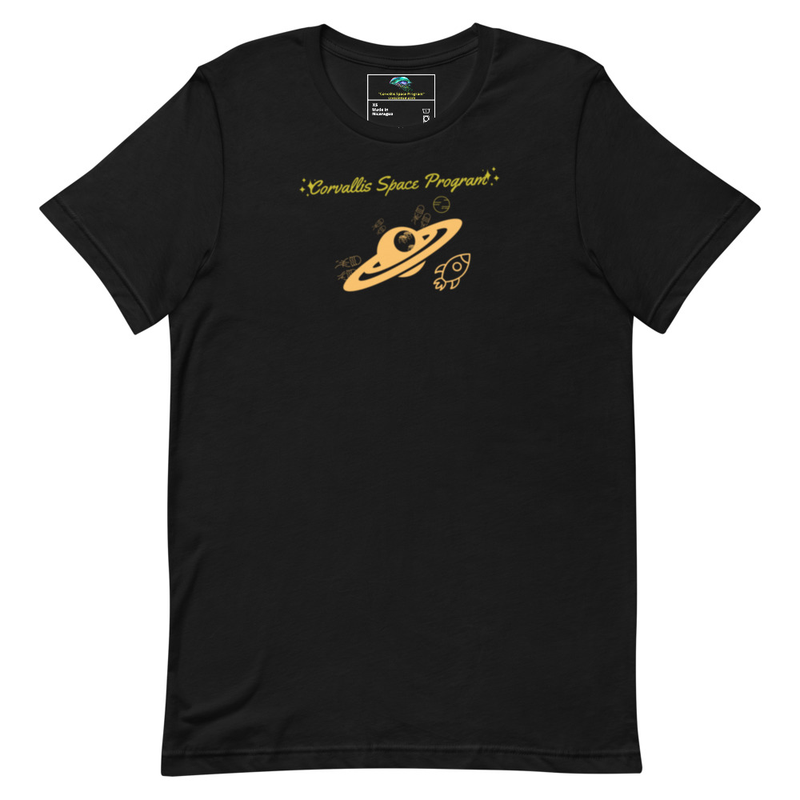
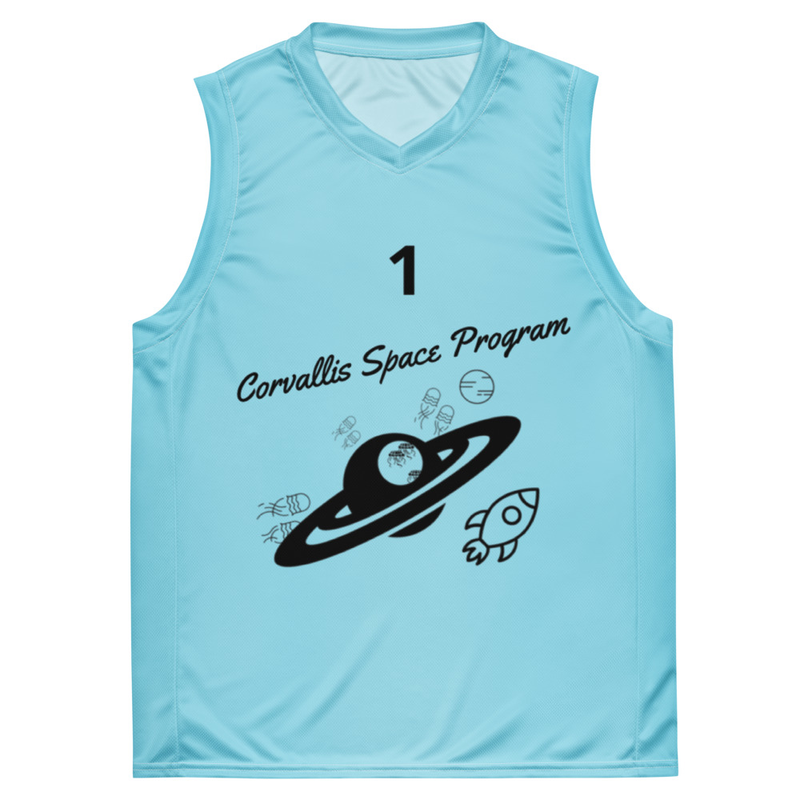
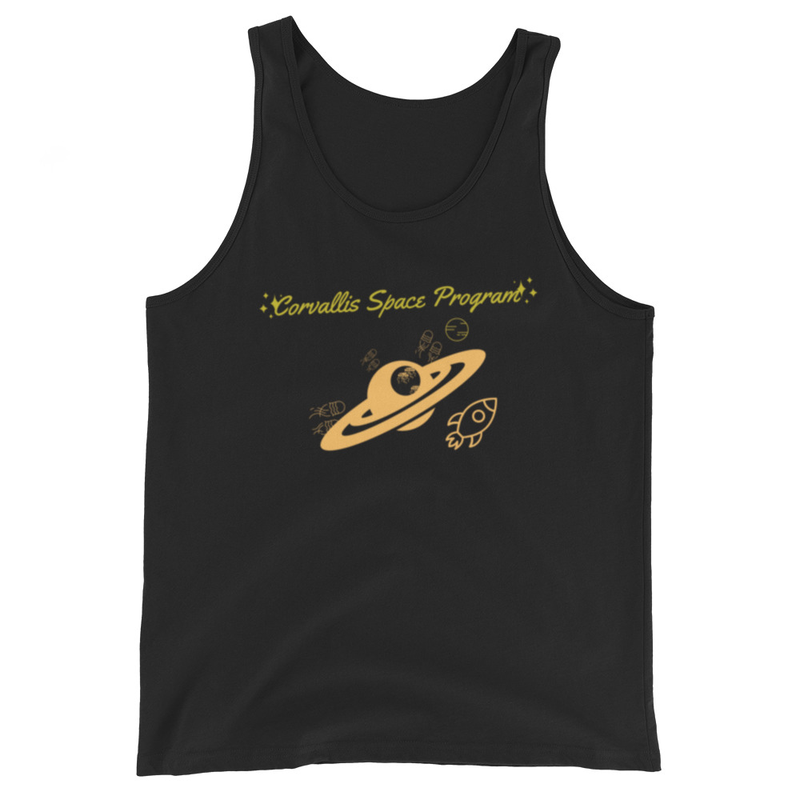
Official Corvallis Space Program mission patch design celebrating Pacific Northwest aerospace and citizen science.
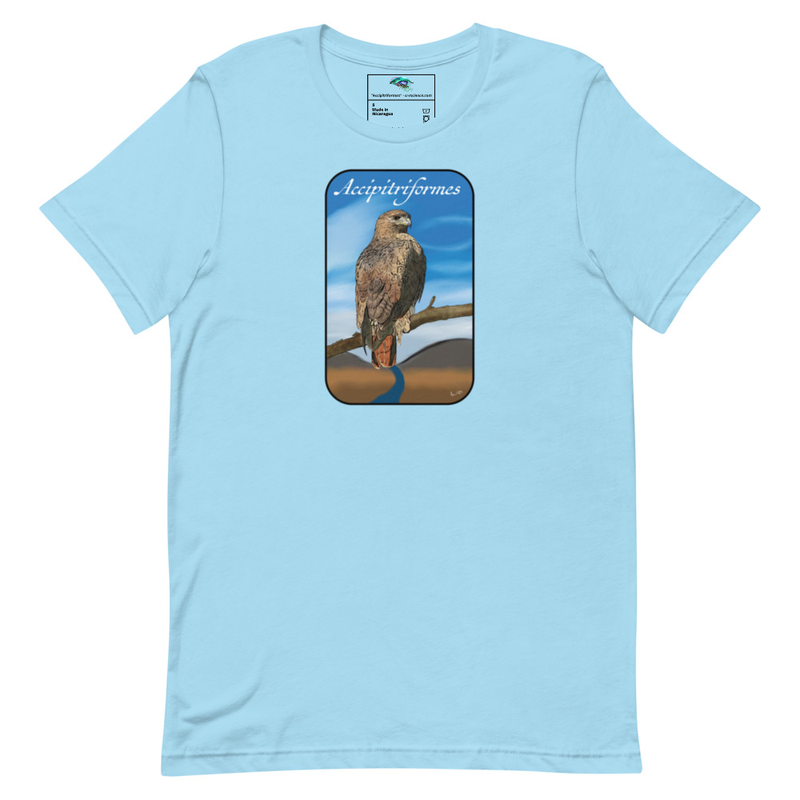
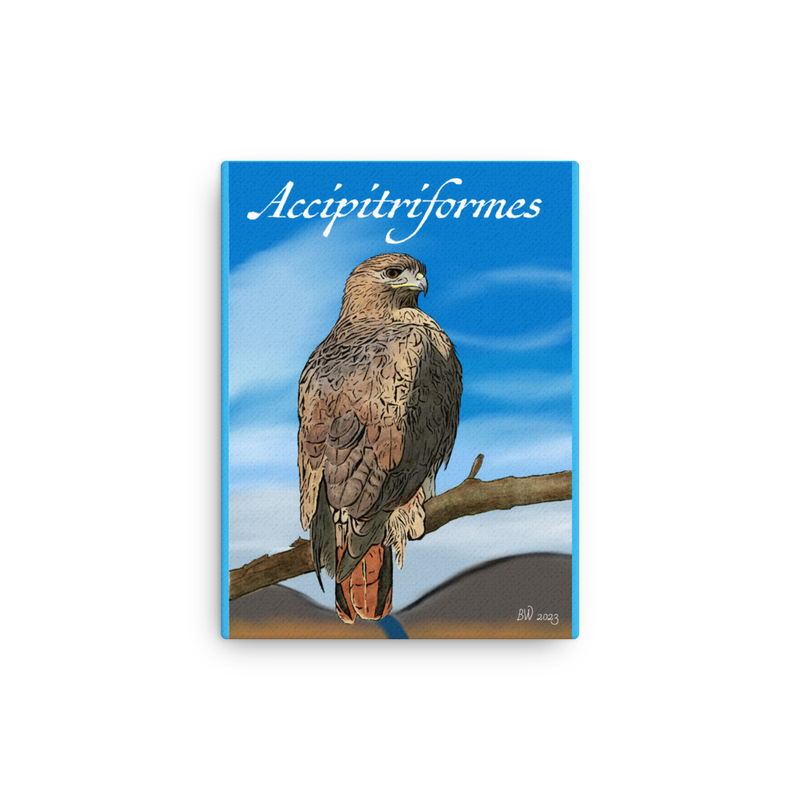
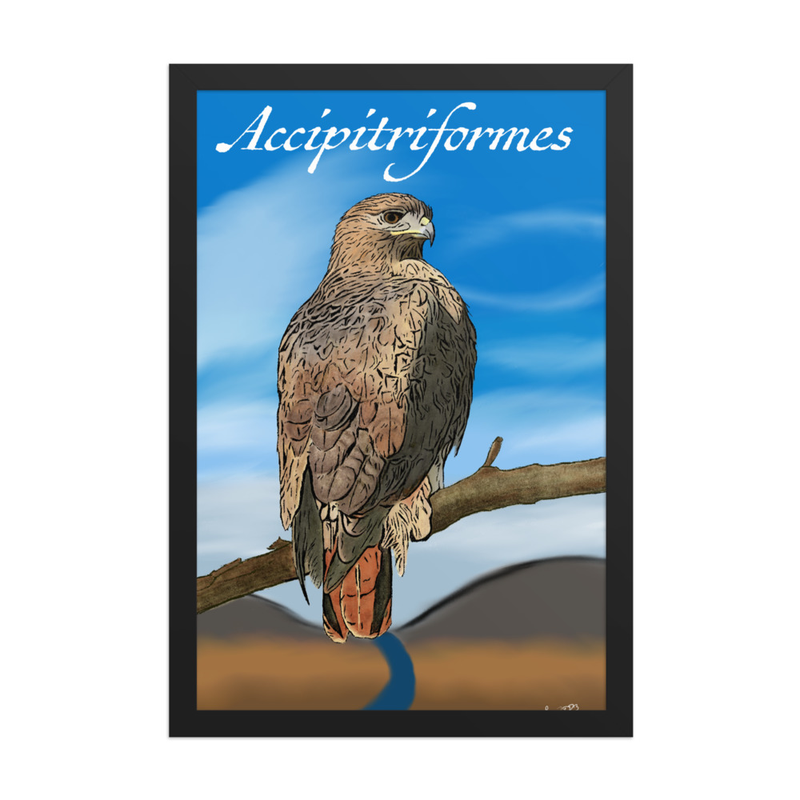
Raptor biology artwork celebrating Buteo jamaicensis and the aerodynamics of order Accipitriformes.
Arachnological field illustration of Hadrurus arizonensis (Desert Hairy Scorpion), North America's largest native scorpion.
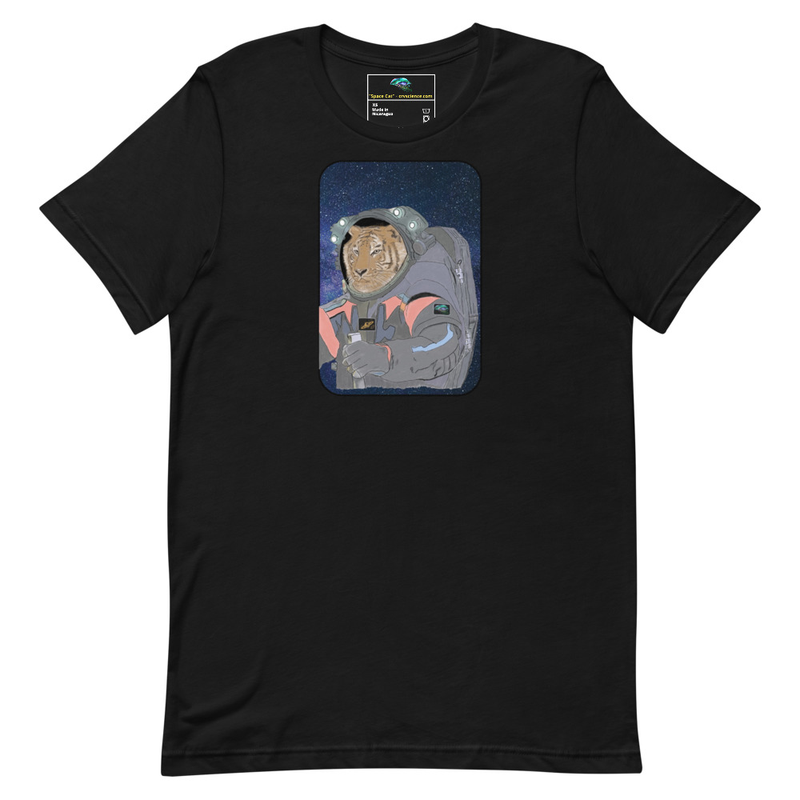
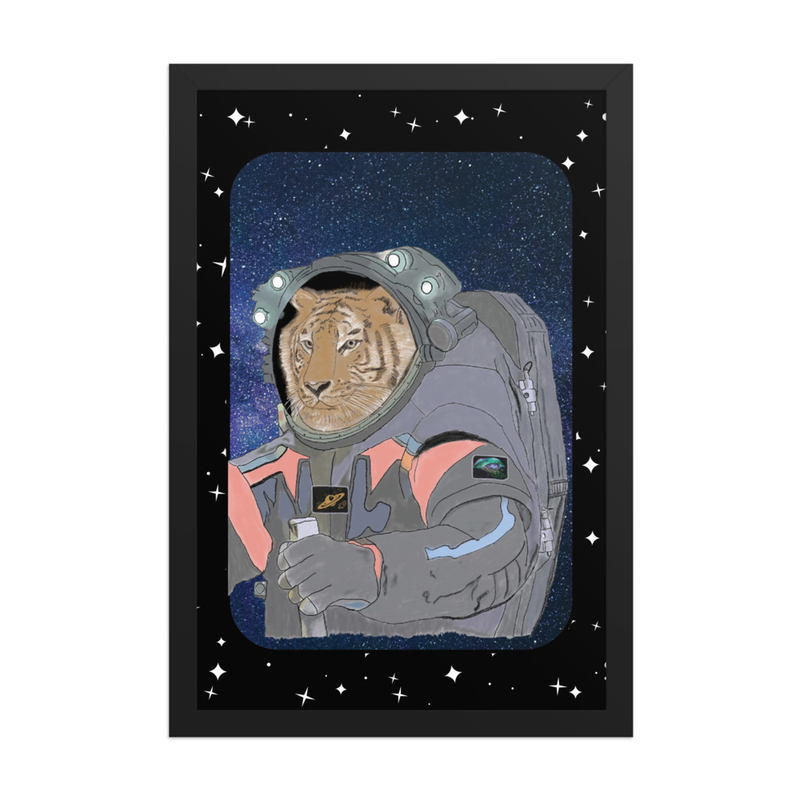
Playful cosmic illustration blending feline curiosity with deep-space exploration and orbital physics.
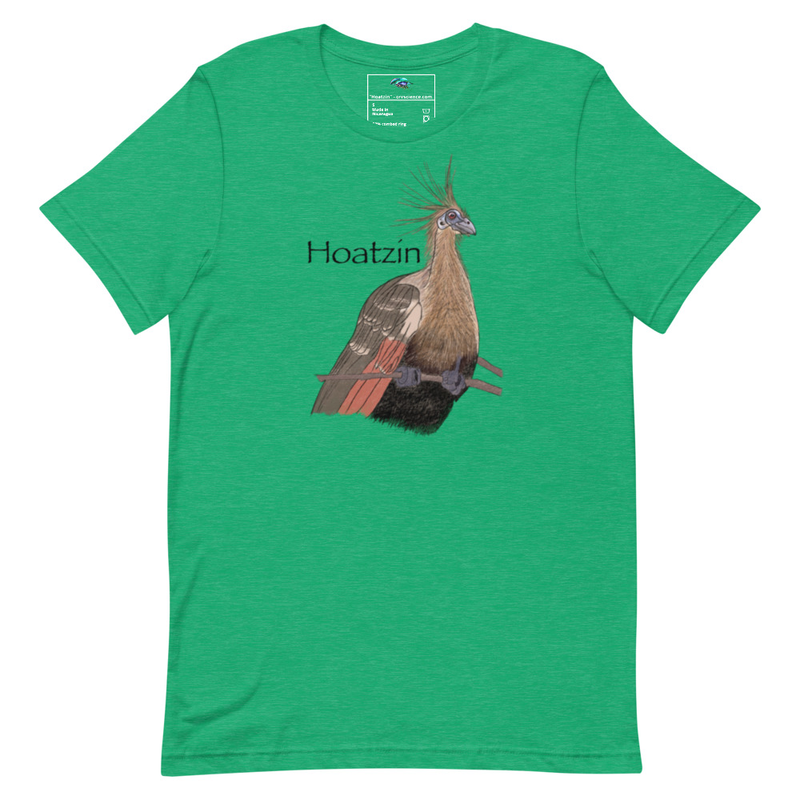
Evolutionary ornithology illustration of Opisthocomus hoazin — the enigmatic Amazonian folivorous bird whose chicks possess functional wing claws.
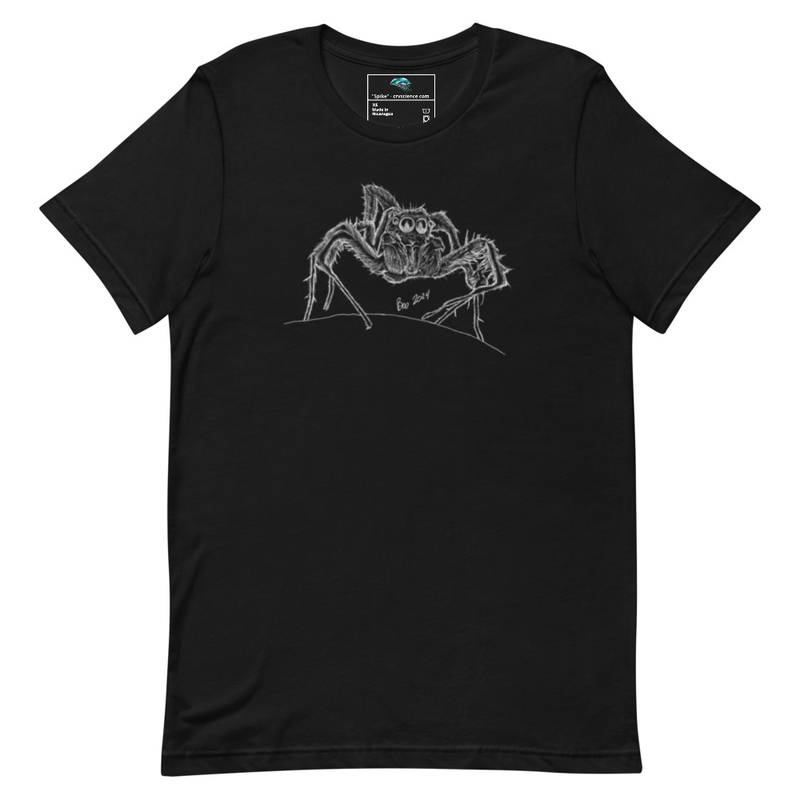
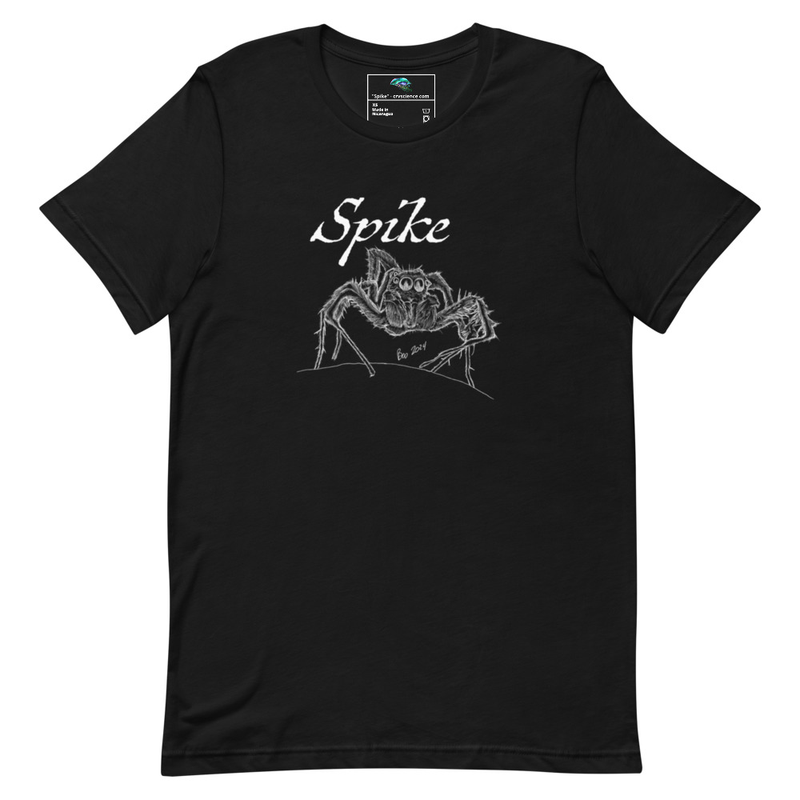
High-detail arachnology tribute to Salticidae — the curious, sharp-sighted jumping spiders of the natural world.
Detailed biological sketch from Laboratory Notebook Page 8 celebrating cephalopod intelligence and marine anatomy.
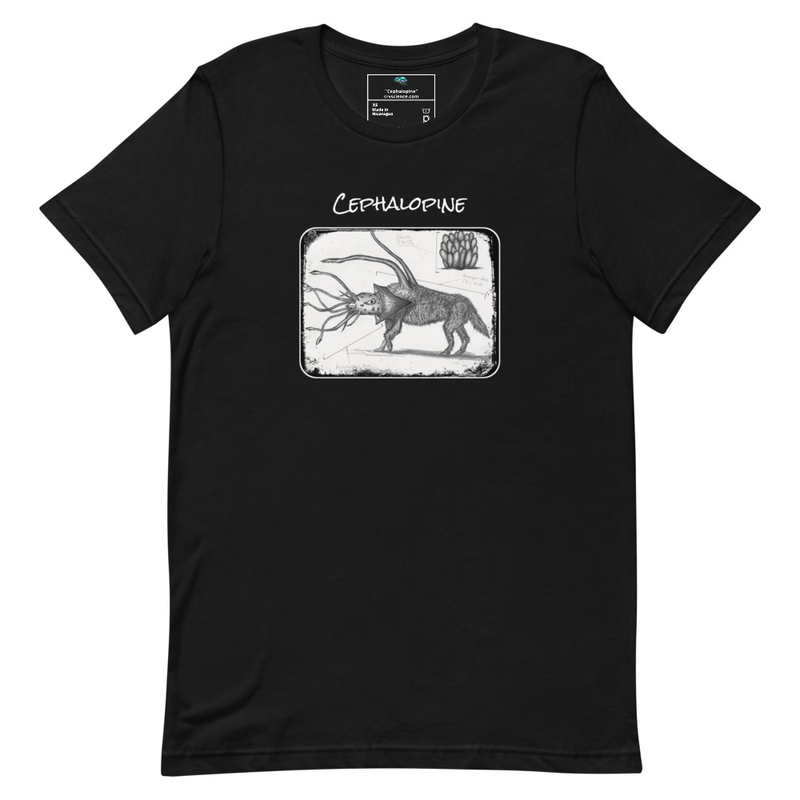
Speculative evolutionary morphology sketch from the CRV Science Laboratory Notebook series blending cephalopod tentacular anatomy with lupine cursorial adaptations.
Original science illustration inspired by hypothetical bioluminescent lifeforms drifting through the subsurface oceans beneath the frozen water-ice crust of Saturn's moon, Titan.
Official Corvallis Space Program mission patch design celebrating Pacific Northwest aerospace and citizen science.
Original science illustration inspired by hypothetical bioluminescent lifeforms drifting through the subsurface oceans beneath the frozen water-ice crust of Saturn's moon, Titan.
Anatomical study of Latrodectus (Black Widow Spider) and the evolutionary engineering of order Araneae.
Arctic ornithology illustration of Bubo scandiacus, adapted for tundra survival and silent polar flight.
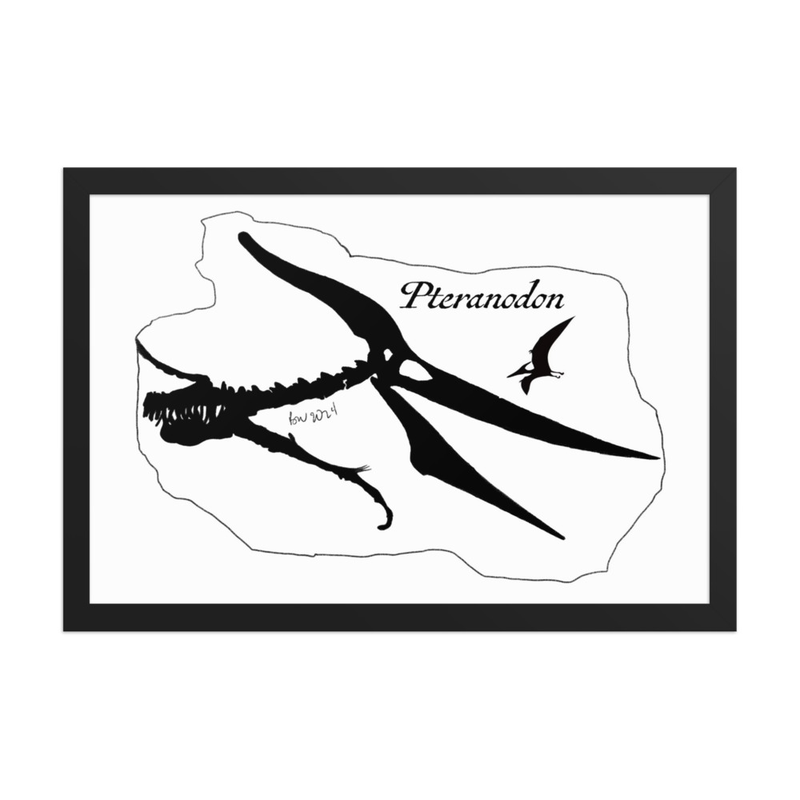
Vertebrate paleontology reconstruction of Pteranodon longiceps, the iconic Late Cretaceous pelagic pterosaur of the Western Interior Seaway.
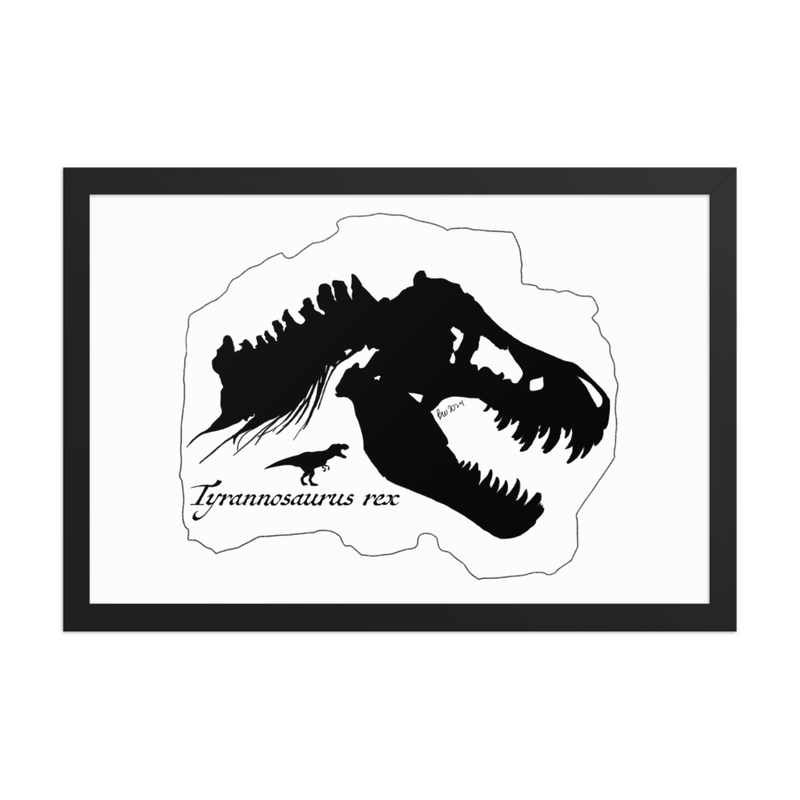
Vertebrate paleontology reconstruction of Tyrannosaurus rex, the apex Late Cretaceous tyrannosaurid theropod of Laramidia.
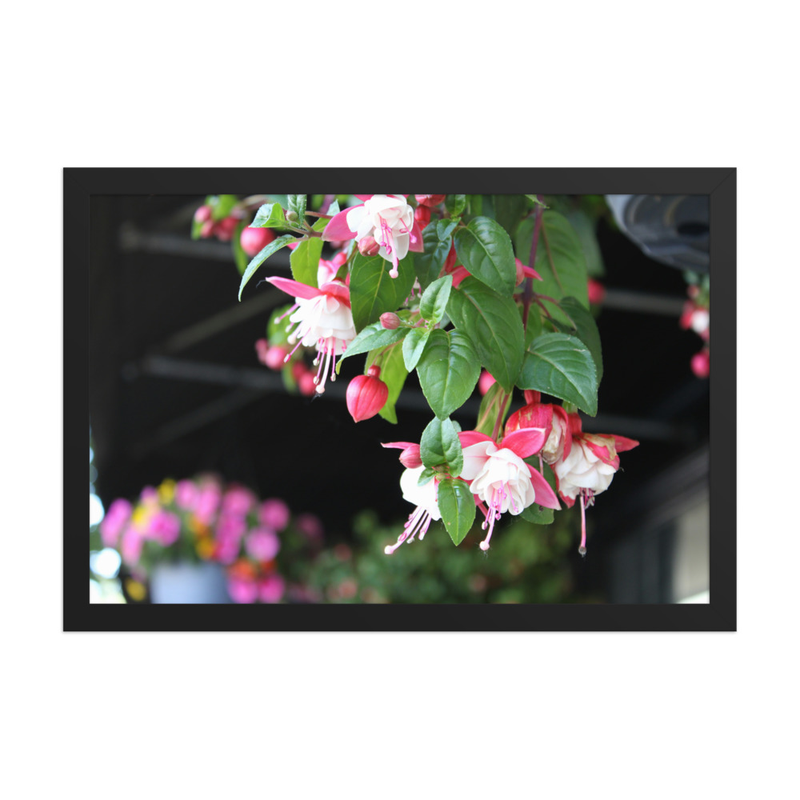
Botanical photography by Bryan P. White highlighting pendulous Fuchsia floral morphology, anthocyanin pigmentation, and hummingbird-pollinated angiosperm structure.
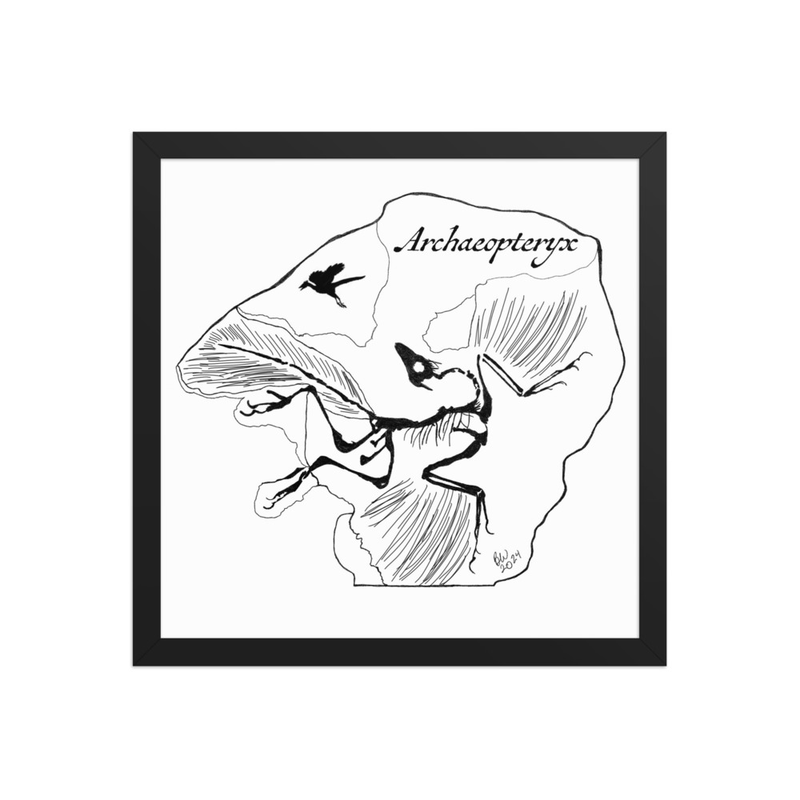
Evolutionary paleobiology illustration of Archaeopteryx lithographica, the Late Jurassic transitional avialan dinosaur linking non-avian theropods and modern birds.
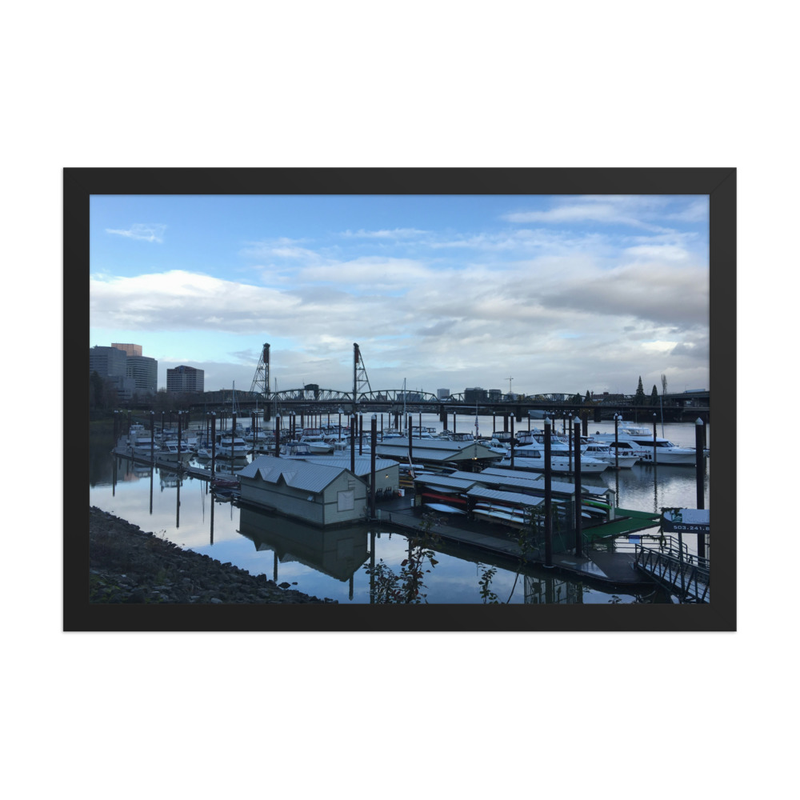
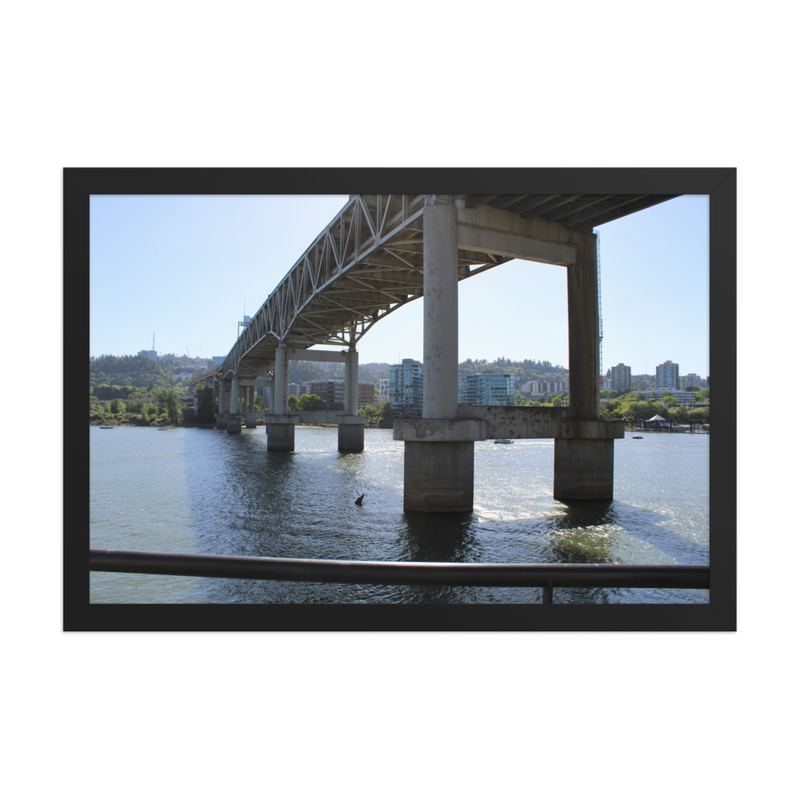
Pacific Northwest urban riverfront photography by Bryan P. White along the Willamette River in Portland, Oregon.
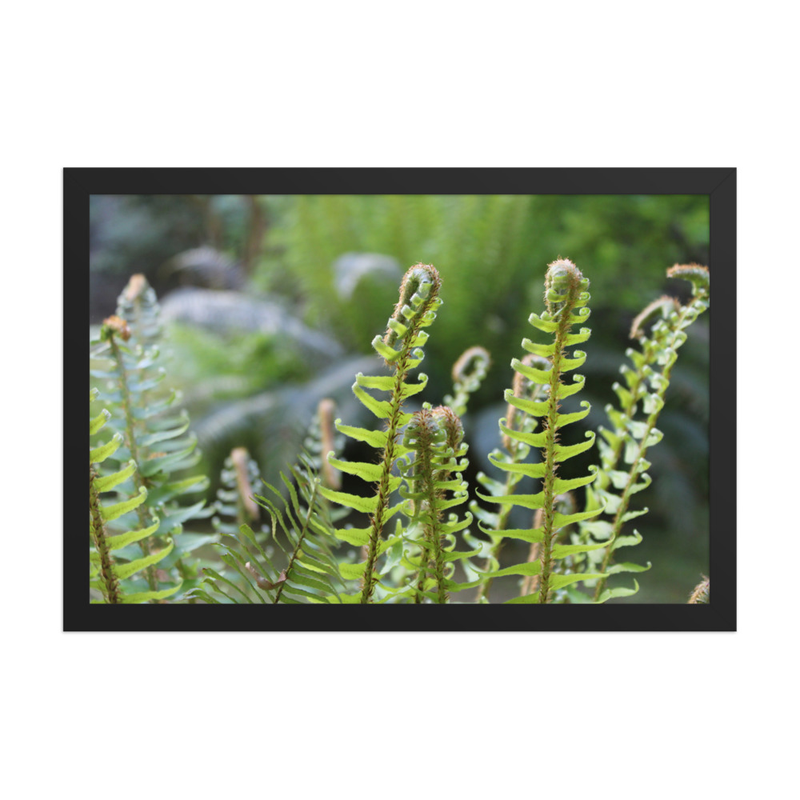
Botanical macro photography by Bryan P. White documenting circinate vernation — the logarithmic spiral unfurling of young pteridophyte fern fronds.
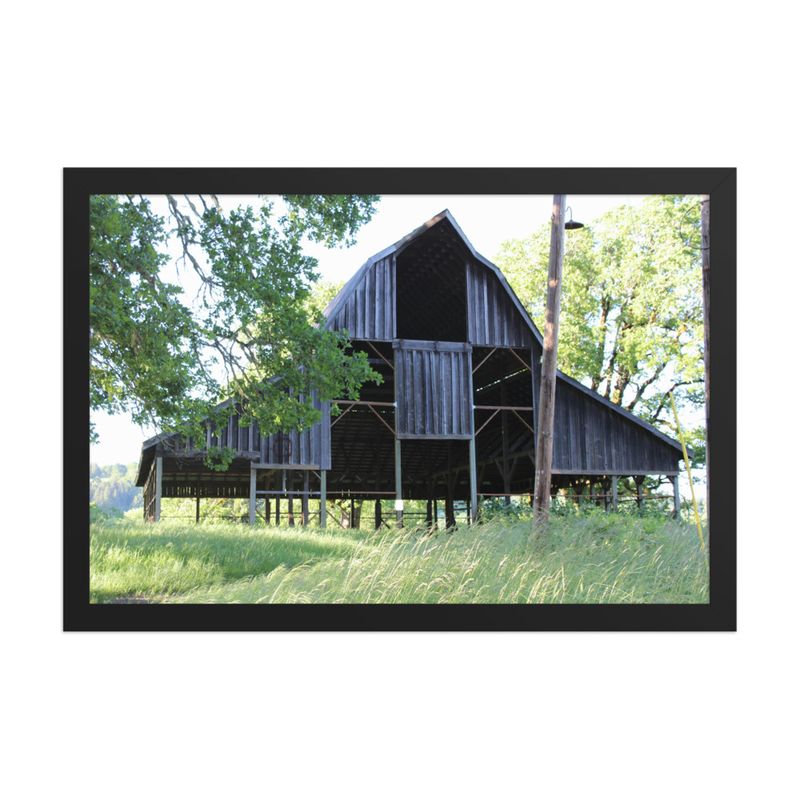
Rural architectural and material-weathering photography by Bryan P. White documenting aged timber grain and agricultural heritage.
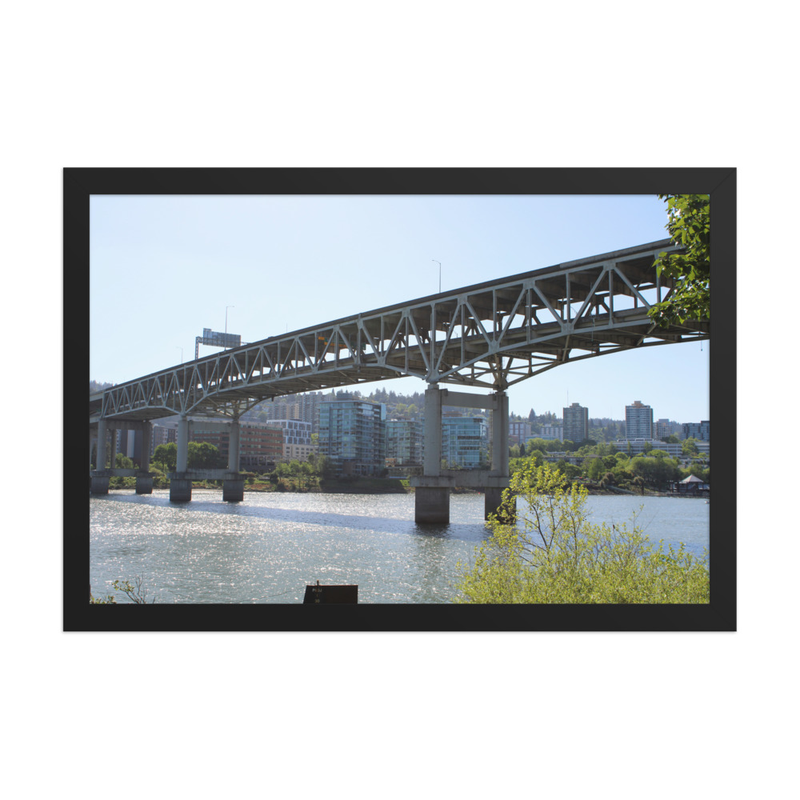
Structural engineering and civil architecture photography by Bryan P. White examining steel truss geometry and river-crossing spans.
Civil engineering and architectural photography by Bryan P. White highlighting structural steelwork, tension geometry, and modern urban infrastructure.
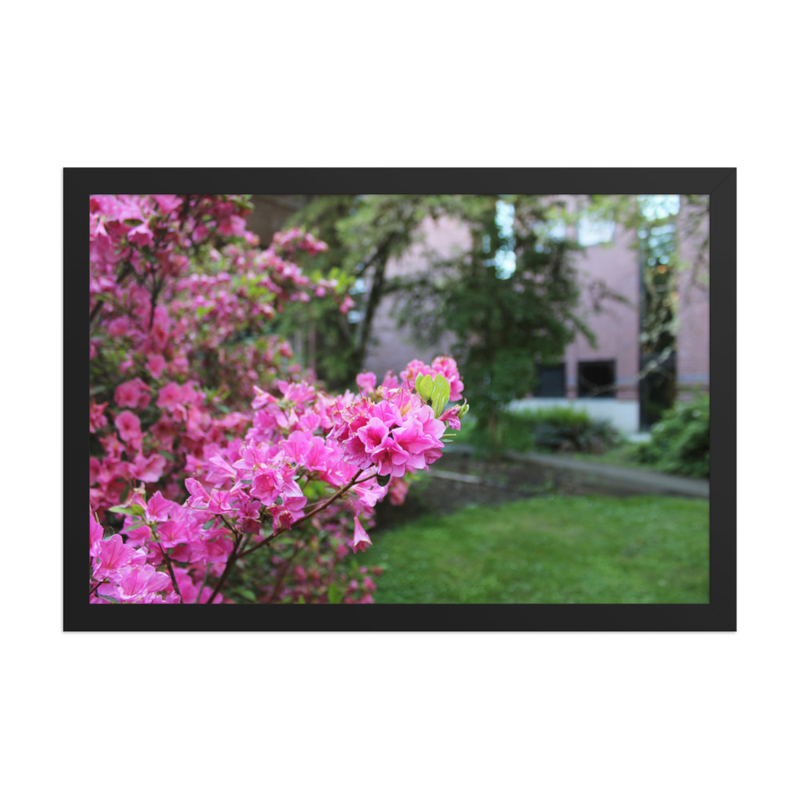
Botanical photography by Bryan P. White showcasing springtime Rhododendron (azalea) corolla pigmentation and temperate garden ecology.
Fine-art nature photography by Bryan P. White capturing specular water-surface reflections, aquatic ripples, and riparian foliage.
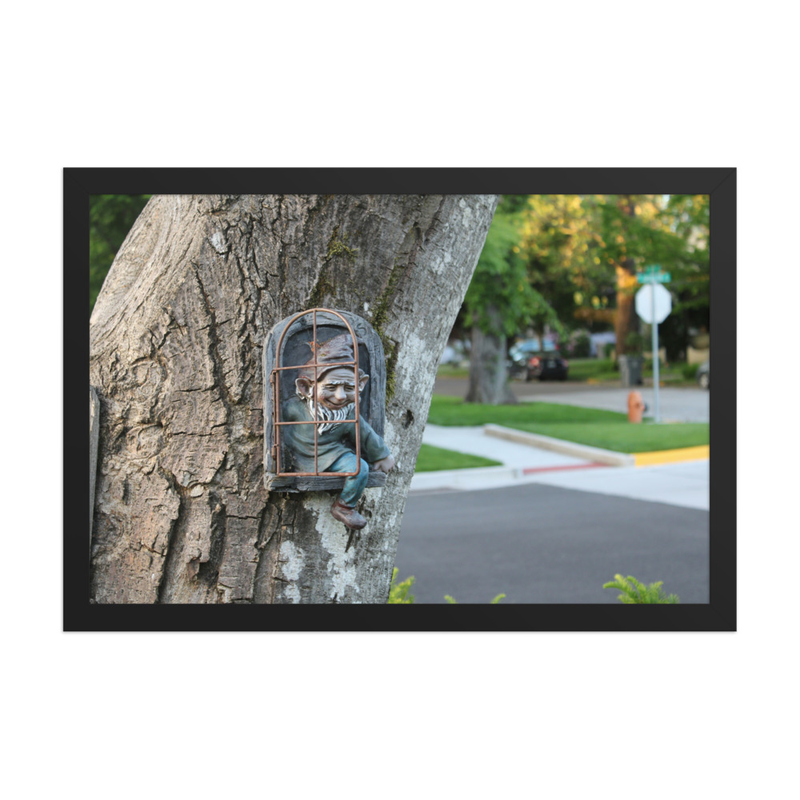
Whimsical Pacific Northwest forest-floor photography by Bryan P. White nestled among temperate ferns, moss, and woodland microhabitats.
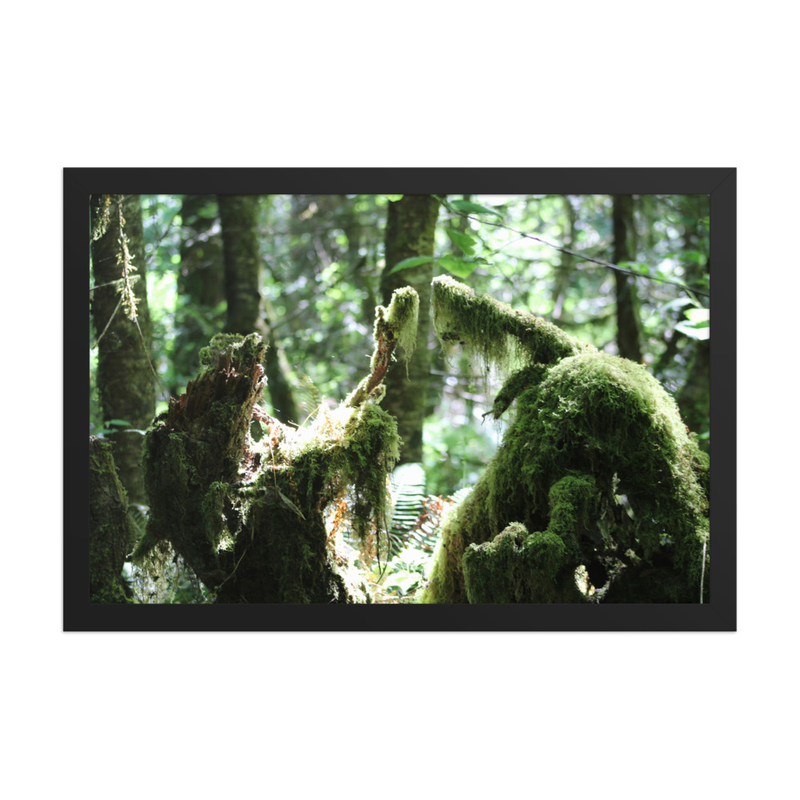
Temperate rainforest ecology photography by Bryan P. White showcasing old-growth canopy structure, epiphytic mosses, and understory light filtration.
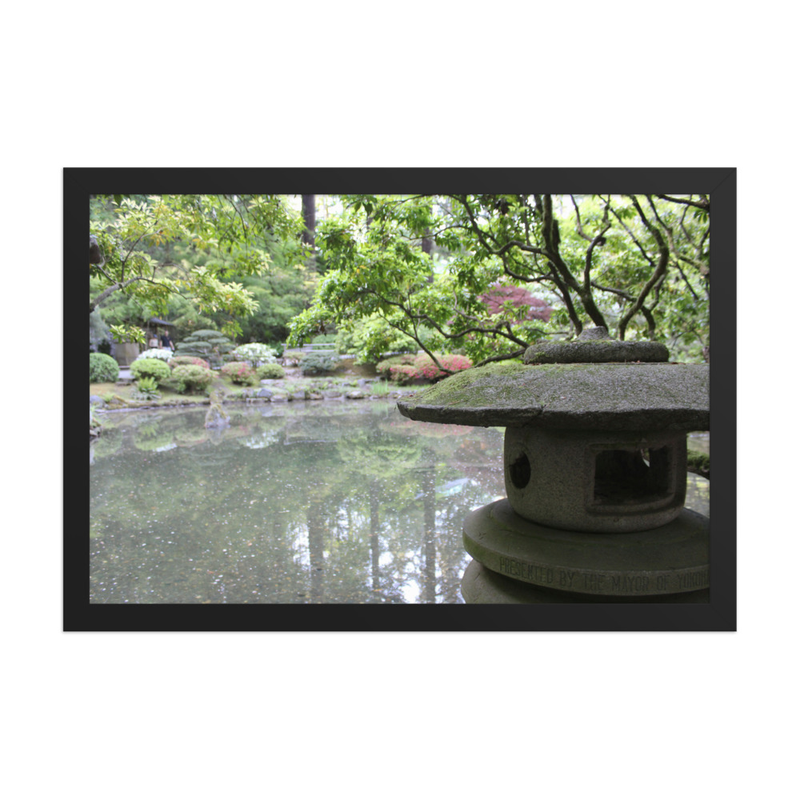
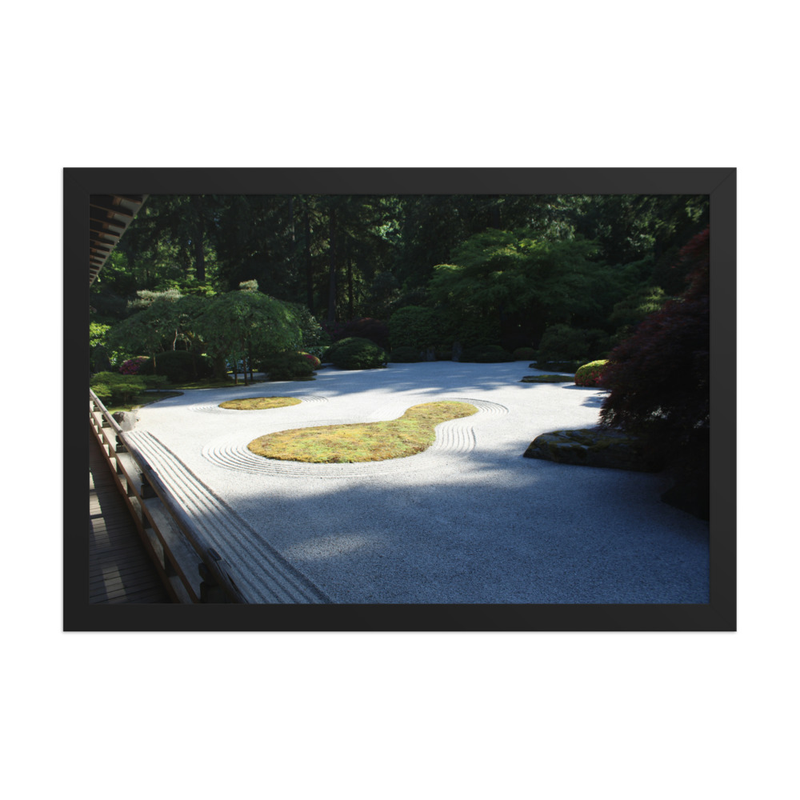
Fine-art landscape photography by Bryan P. White exploring geometric raked gravel patterns, moss lithophytes, and contemplative Japanese karesansui garden design.
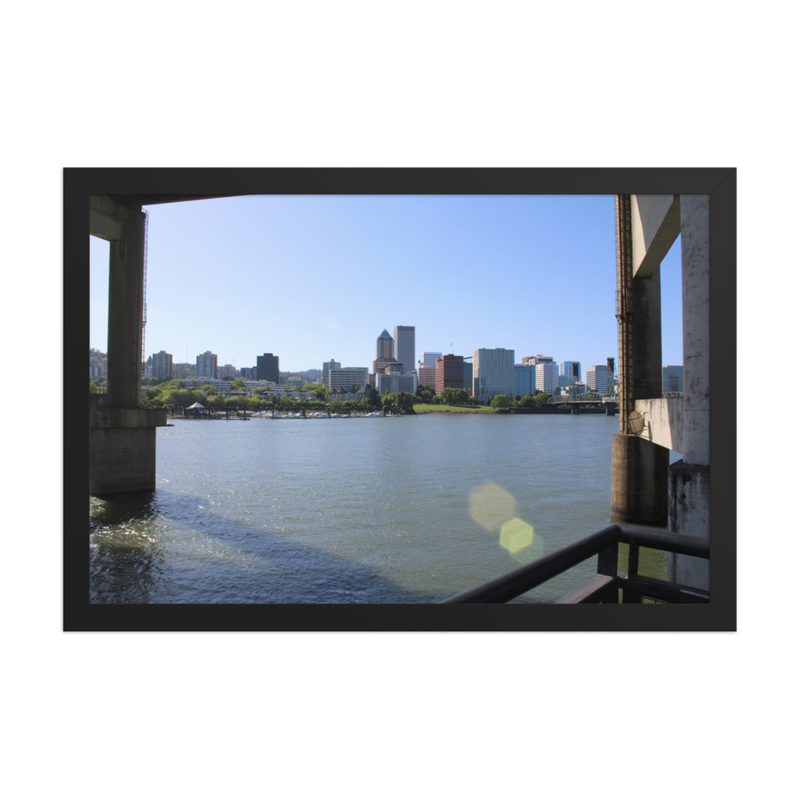
Framed architectural and landscape perspective photography by Bryan P. White overlooking the Portland, Oregon skyline and surrounding canopy.
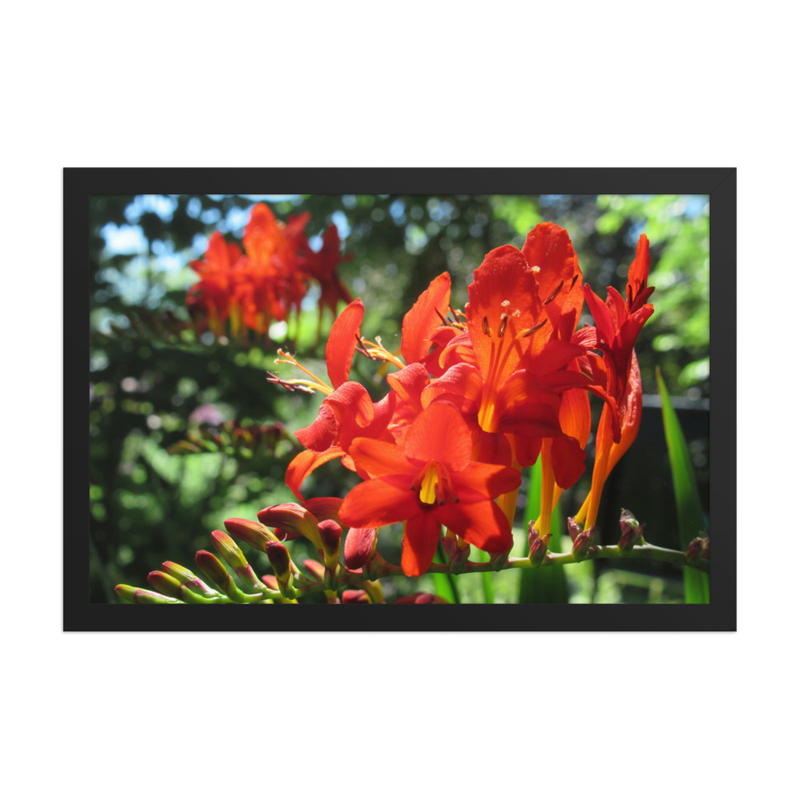
Botanical photography by Bryan P. White capturing the fiery scarlet inflorescences of Crocosmia (Iridaceae) and pollinator-attracting floral architecture.
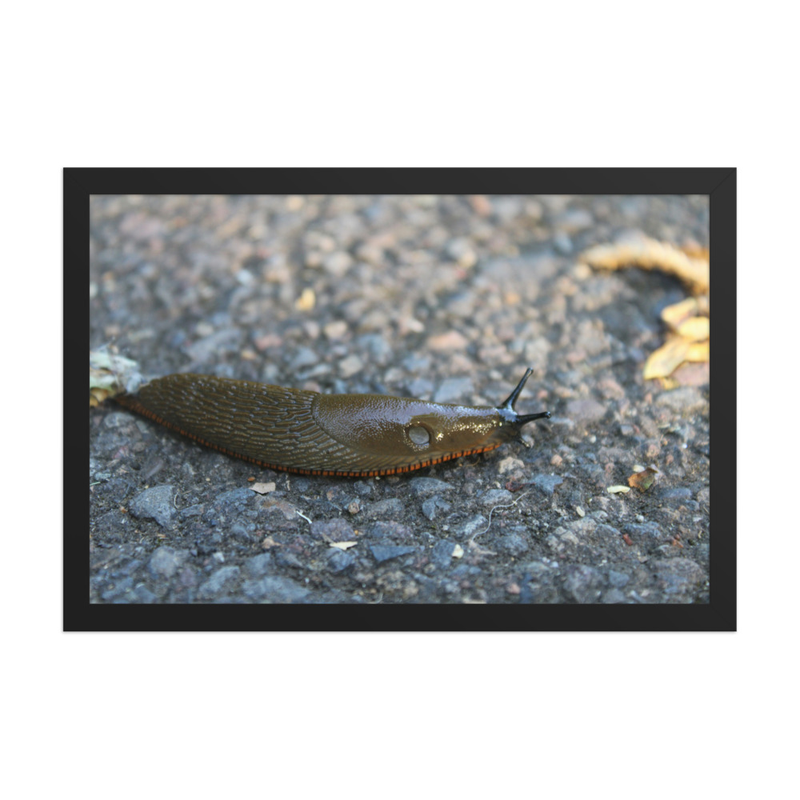
Malacology and forest-floor ecology photograph by Bryan P. White of Arion rufus (Red/Orange-Fringed Slug) grazing on temperate rainforest detritus.
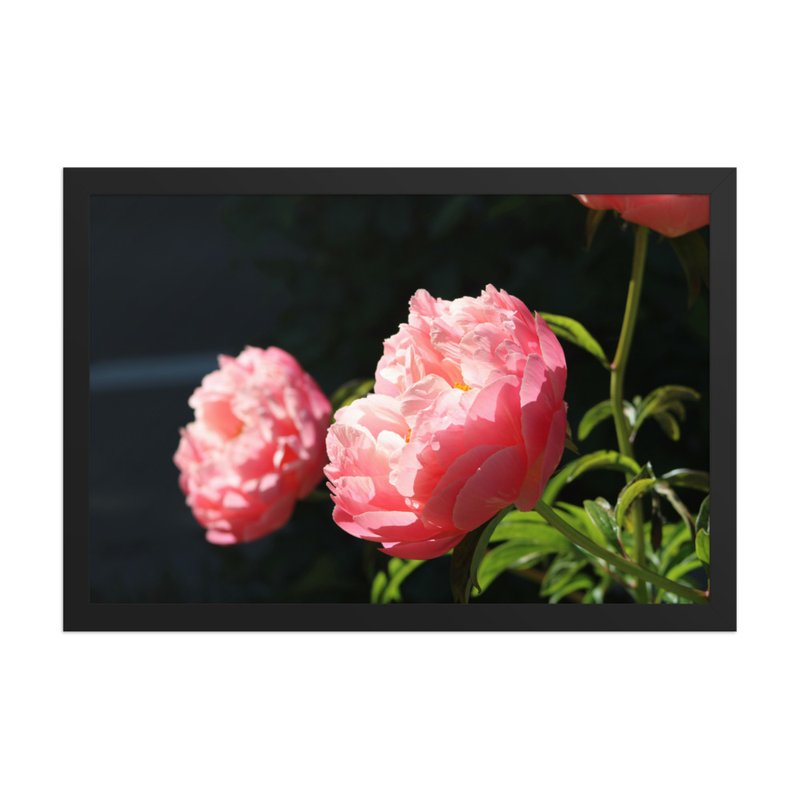
Botanical photography by Bryan P. White examining sunlit Paeonia petal layering, floral symmetry, and temperate perennial horticulture.
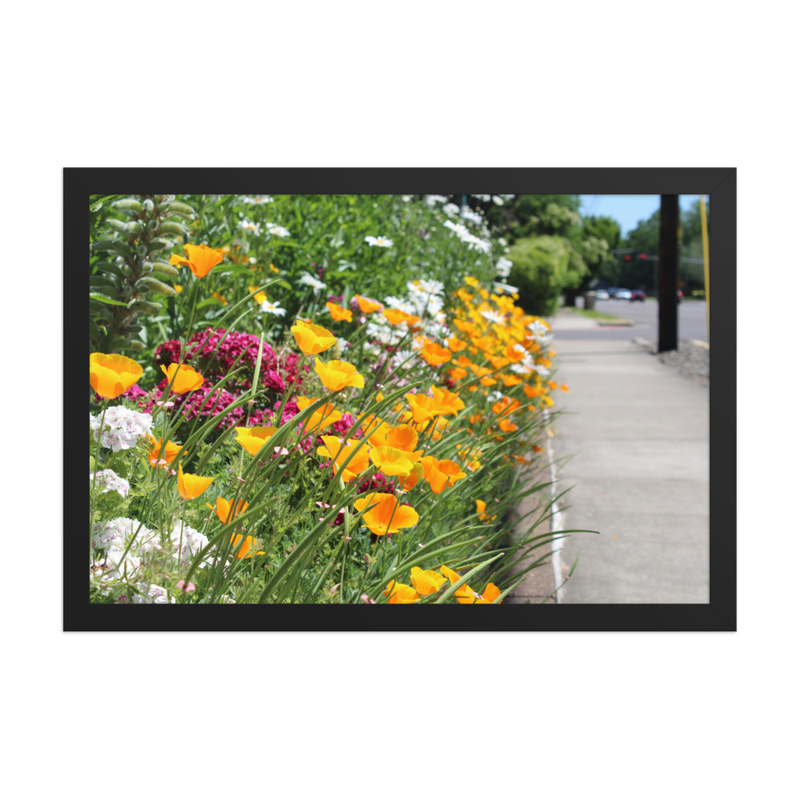
Botanical field photography by Bryan P. White documenting resilient Papaveraceae blooms thriving along urban mineral substrates.
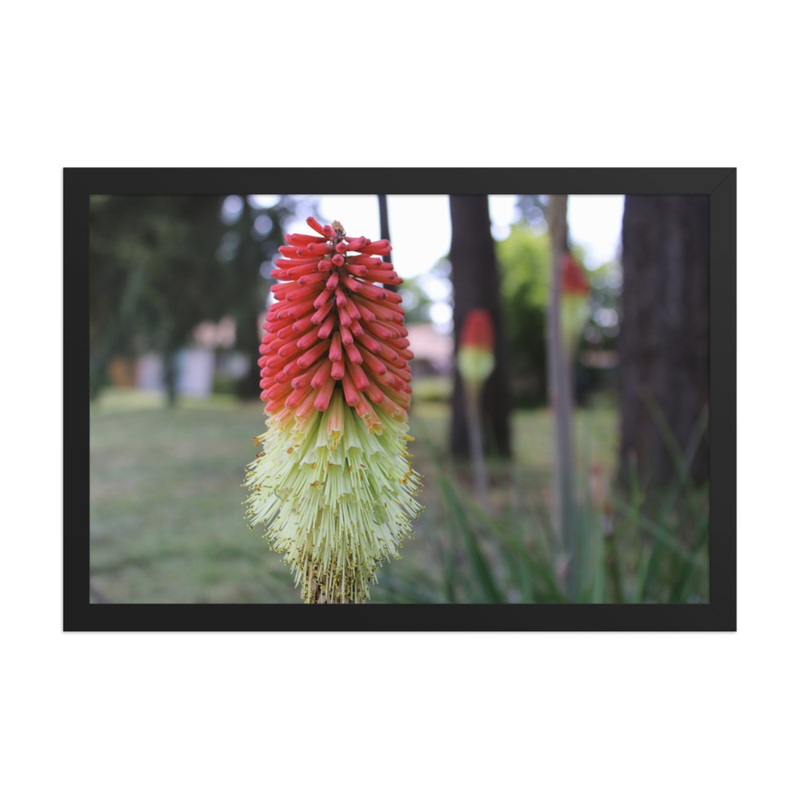
Botanical photography by Bryan P. White featuring Kniphofia uvaria (Torch Lily) raceme inflorescences and acropetal floral maturation.
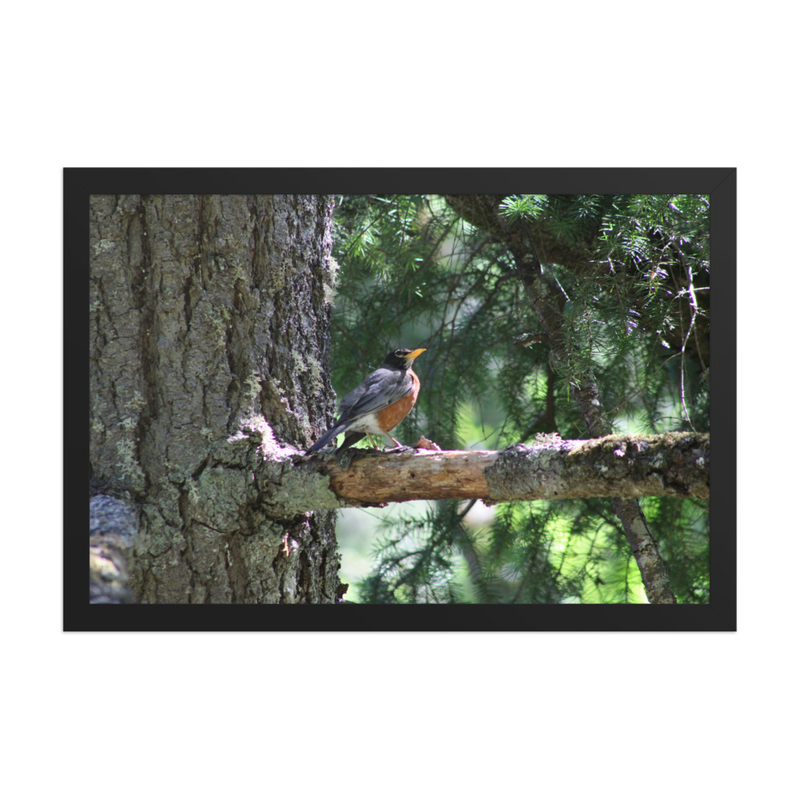
Ornithological field photography by Bryan P. White of Turdus migratorius (American Robin) perched within coniferous Pinus needles.
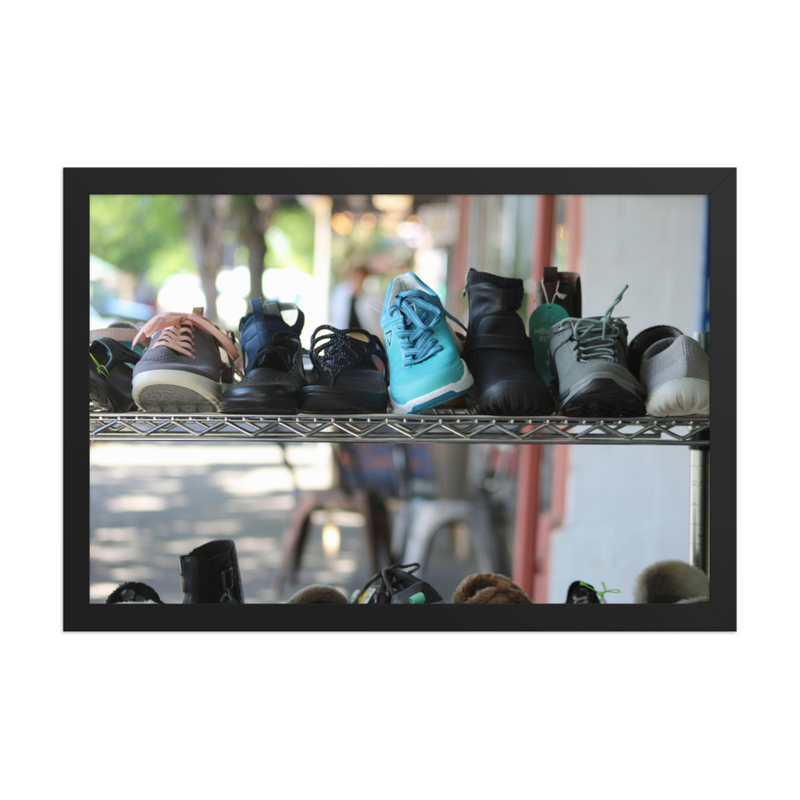
Candid Pacific Northwest street photography by Bryan P. White capturing everyday urban culture, texture, and composition.
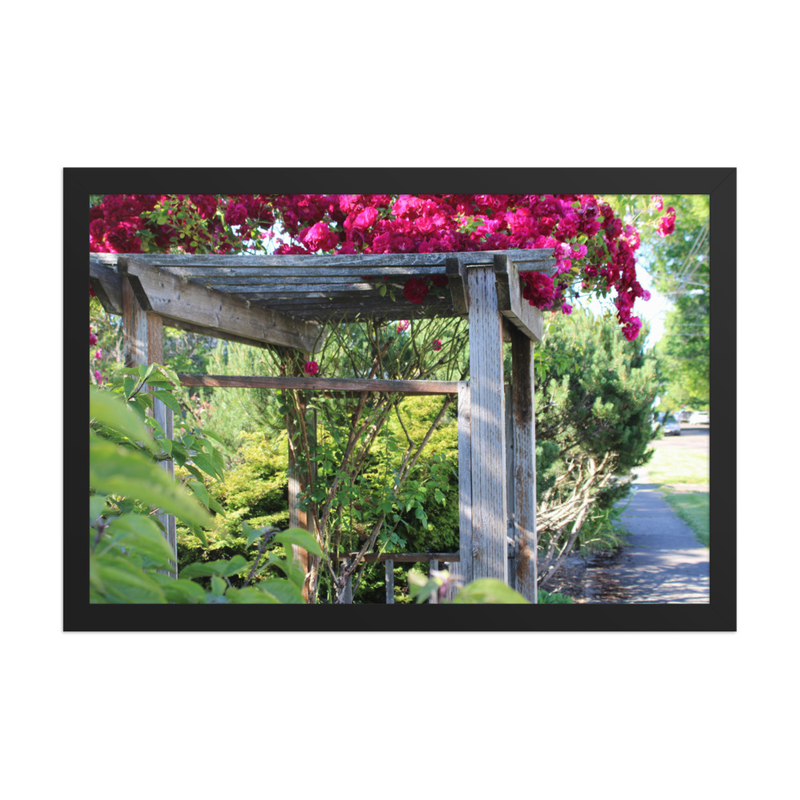
Botanical and architectural photography by Bryan P. White capturing climbing Rosa cultivars interwoven across a timber garden pergola.
Arachnological field illustration of Hadrurus arizonensis (Desert Hairy Scorpion), North America's largest native scorpion.
Herpetology tribute to Amblyrhynchus cristatus — the world's only marine-foraging lizard, endemic to the Galápagos Islands.
Raptor biology artwork celebrating Buteo jamaicensis and the aerodynamics of order Accipitriformes.
Anatomical study of Latrodectus (Black Widow Spider) and the evolutionary engineering of order Araneae.
Scientific illustration of class Scyphozoa — true jellyfish and drifting marine cnidarians of the open ocean.
Mammalogy study of Vulpes macrotis (Kit Fox), showcasing desert adaptation and nocturnal arid-ecosystem ecology.
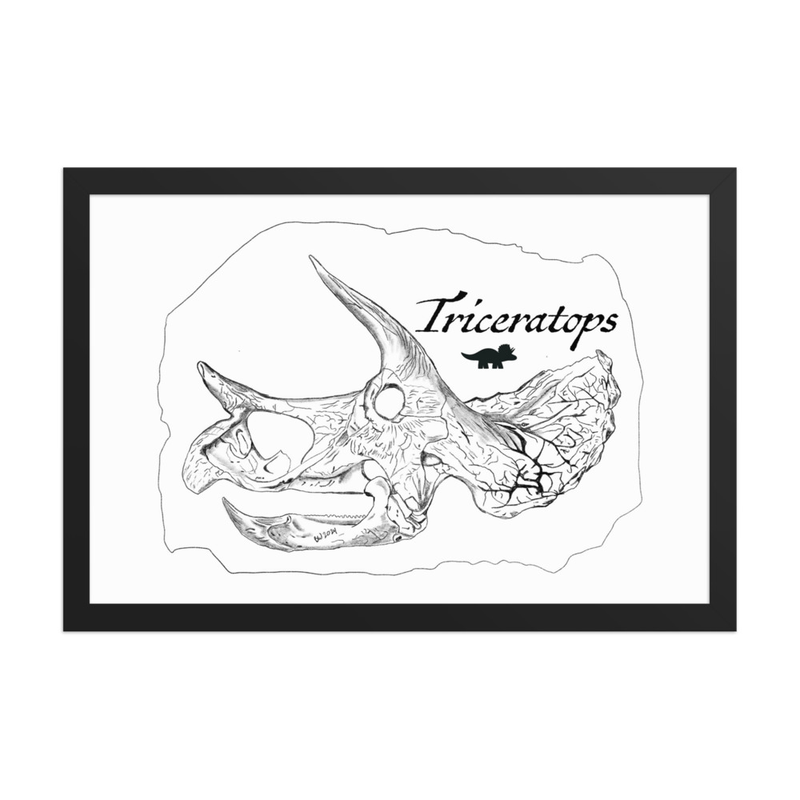
Vertebrate paleontology reconstruction of Triceratops horridus, late Maastrichtian ceratopsid dinosaur of Western North America.
Archival astrobiology display piece featuring the signature Space Jelly illustration inspired by speculative bioluminescent lifeforms in the subsurface oceans beneath the frozen water-ice crust of Saturn's moon, Titan.
Herpetology tribute to Amblyrhynchus cristatus — the world's only marine-foraging lizard, endemic to the Galápagos Islands.
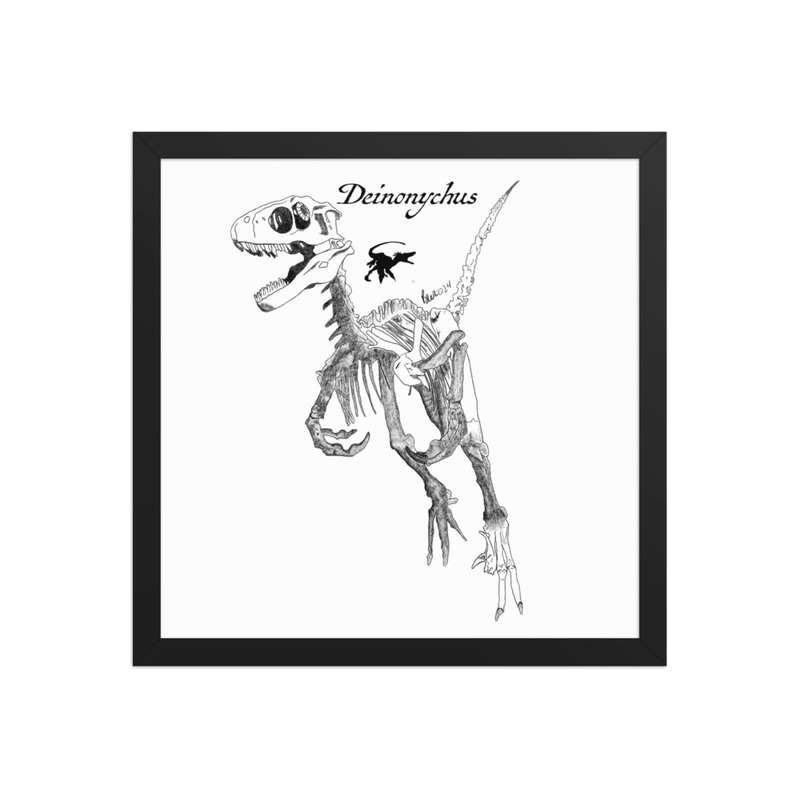
Paleobiological illustration of Deinonychus antirrhopus, the agile Early Cretaceous dromaeosaurid theropod that sparked the dinosaur renaissance.
Ornithological portrait of Bubo virginianus, apex nocturnal raptor of the Americas.
Playful cosmic illustration blending feline curiosity with deep-space exploration and orbital physics.
Arctic ornithology illustration of Bubo scandiacus, adapted for tundra survival and silent polar flight.
Arachnological field illustration of Hadrurus arizonensis (Desert Hairy Scorpion), North America's largest native scorpion.
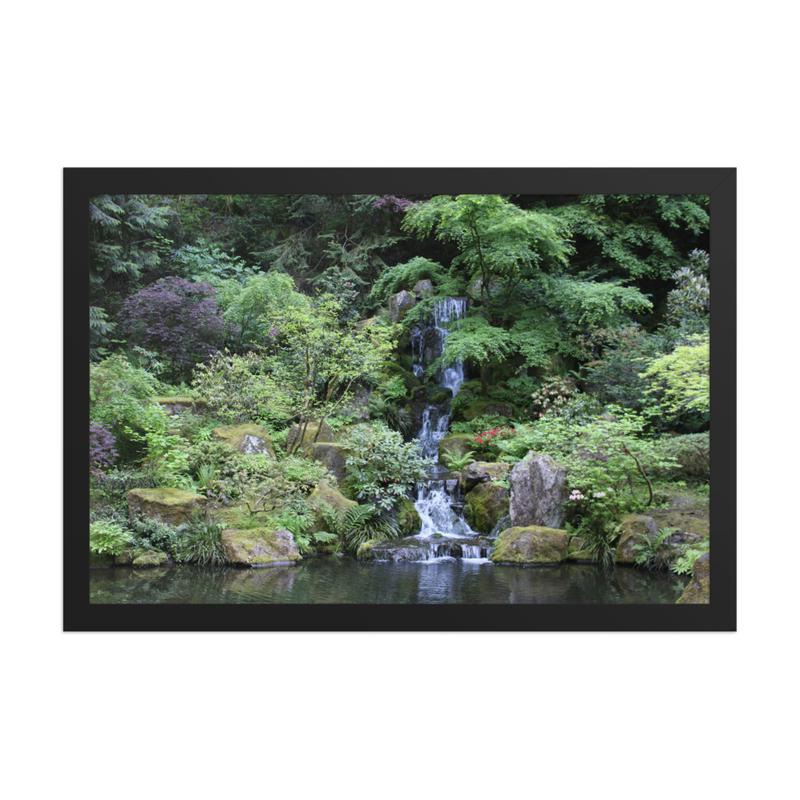
Fine-art natural science photography by Bryan P. White capturing fluid dynamics, bryophyte ecology, and cascading water in a Pacific Northwest Japanese garden.
Mammalogy study of Vulpes macrotis (Kit Fox), showcasing desert adaptation and nocturnal arid-ecosystem ecology.
Raptor biology artwork celebrating Buteo jamaicensis and the aerodynamics of order Accipitriformes.
Anatomical study of Latrodectus (Black Widow Spider) and the evolutionary engineering of order Araneae.
Mammalogy study of Vulpes macrotis (Kit Fox), showcasing desert adaptation and nocturnal arid-ecosystem ecology.
Anatomical study of Latrodectus (Black Widow Spider) and the evolutionary engineering of order Araneae.
High-detail arachnology tribute to Salticidae — the curious, sharp-sighted jumping spiders of the natural world.
Herpetology tribute to Amblyrhynchus cristatus — the world's only marine-foraging lizard, endemic to the Galápagos Islands.
Ornithological portrait of Bubo virginianus, apex nocturnal raptor of the Americas.
Playful cosmic illustration blending feline curiosity with deep-space exploration and orbital physics.
Arachnological field illustration of Hadrurus arizonensis (Desert Hairy Scorpion), North America's largest native scorpion.
Arctic ornithology illustration of Bubo scandiacus, adapted for tundra survival and silent polar flight.
Paleobiological illustration of Deinonychus antirrhopus, the agile Early Cretaceous dromaeosaurid theropod that sparked the dinosaur renaissance.
Raptor biology artwork celebrating Buteo jamaicensis and the aerodynamics of order Accipitriformes.
Evolutionary ornithology illustration of Opisthocomus hoazin — the enigmatic Amazonian folivorous bird whose chicks possess functional wing claws.
Anatomical study of Latrodectus (Black Widow Spider) and the evolutionary engineering of order Araneae.
Arachnological field illustration of Hadrurus arizonensis (Desert Hairy Scorpion), North America's largest native scorpion.
Raptor biology artwork celebrating Buteo jamaicensis and the aerodynamics of order Accipitriformes.
Primatology artwork honoring Pongo pygmaeus, the critically endangered Bornean orangutan of Southeast Asia's rainforest canopies.
Conservation-inspired illustration celebrating arboreal xenarthran biology and rainforest habitat preservation.
Scientific illustration of class Scyphozoa — true jellyfish and drifting marine cnidarians of the open ocean.
Mammalogy study of Vulpes macrotis (Kit Fox), showcasing desert adaptation and nocturnal arid-ecosystem ecology.
Original CRV Science astrobiology 4″×6″ postcard featuring the signature Space Jelly illustration inspired by hypothetical bioluminescent lifeforms in the subsurface oceans beneath the frozen water-ice crust of Saturn's moon, Titan.
Ornithological portrait of Bubo virginianus, apex nocturnal raptor of the Americas.
Arctic ornithology illustration of Bubo scandiacus, adapted for tundra survival and silent polar flight.
Herpetology tribute to Amblyrhynchus cristatus — the world's only marine-foraging lizard, endemic to the Galápagos Islands.
Detailed biological sketch from Laboratory Notebook Page 8 celebrating cephalopod intelligence and marine anatomy.
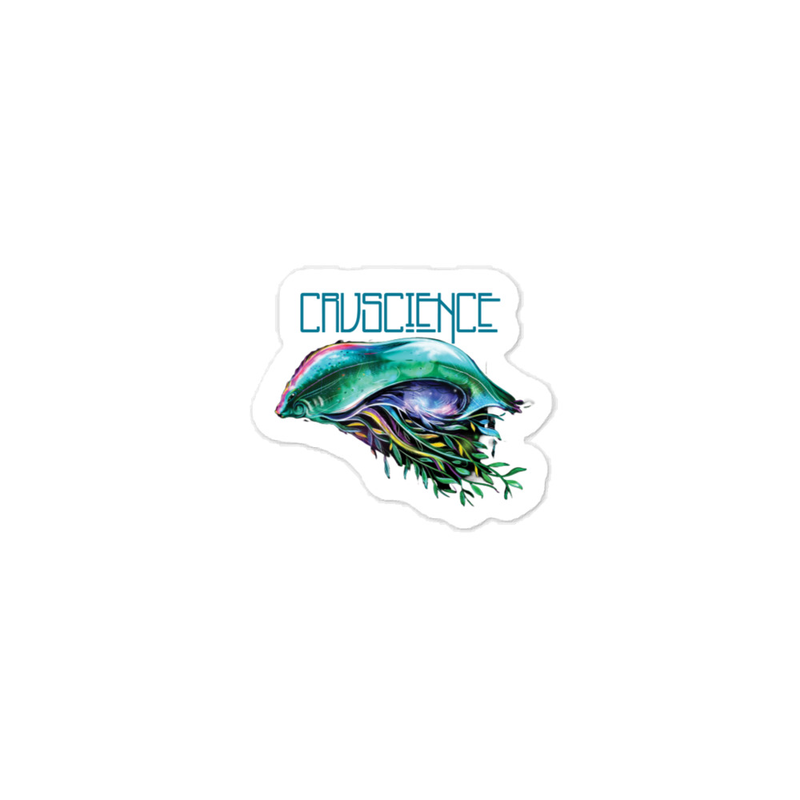
Original CRV Science astrobiology vinyl decal inspired by hypothetical bioluminescent lifeforms drifting through the subsurface oceans beneath the frozen water-ice crust of Saturn's moon, Titan.
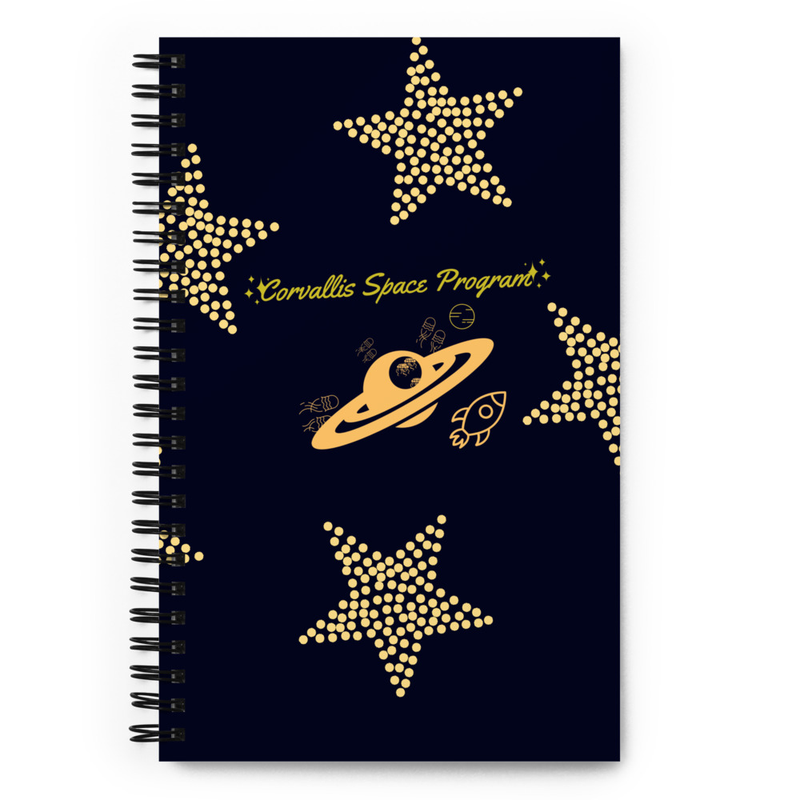
Dotted laboratory and field notebook featuring the official Corvallis Space Program mission crest for research notes, calculations, and sketches.
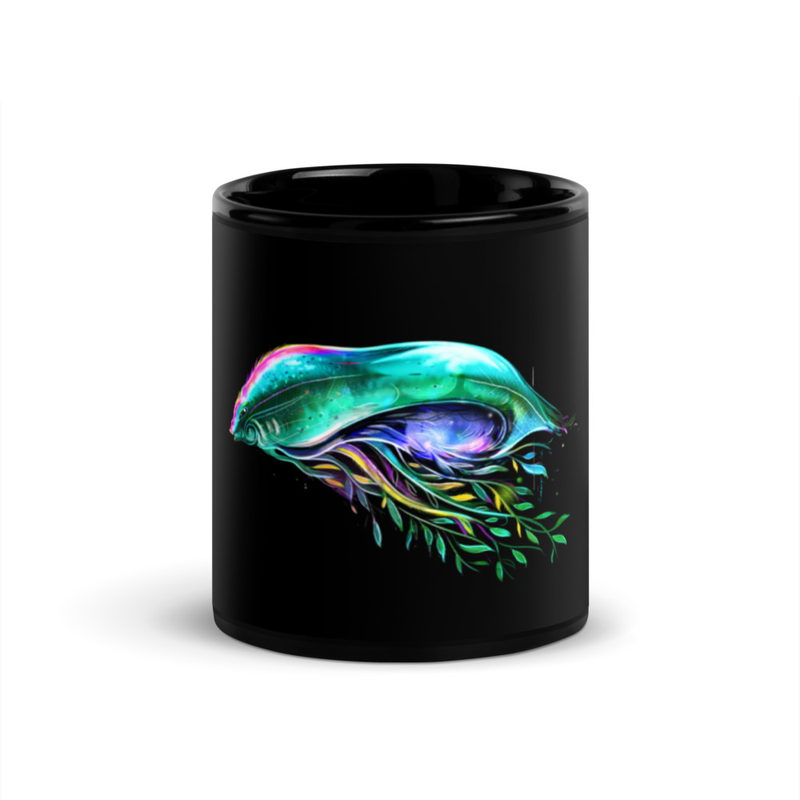
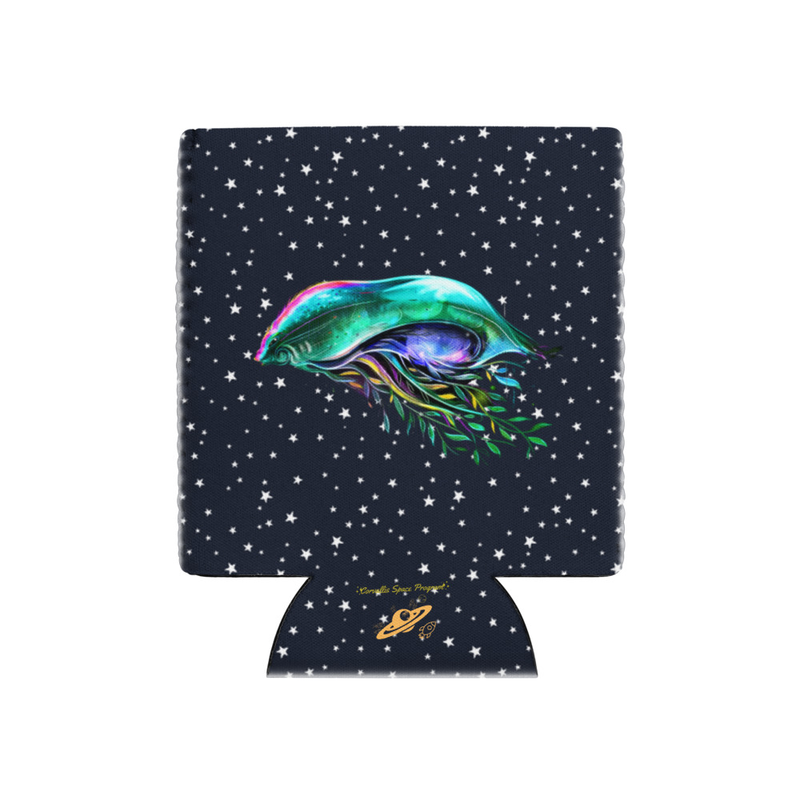
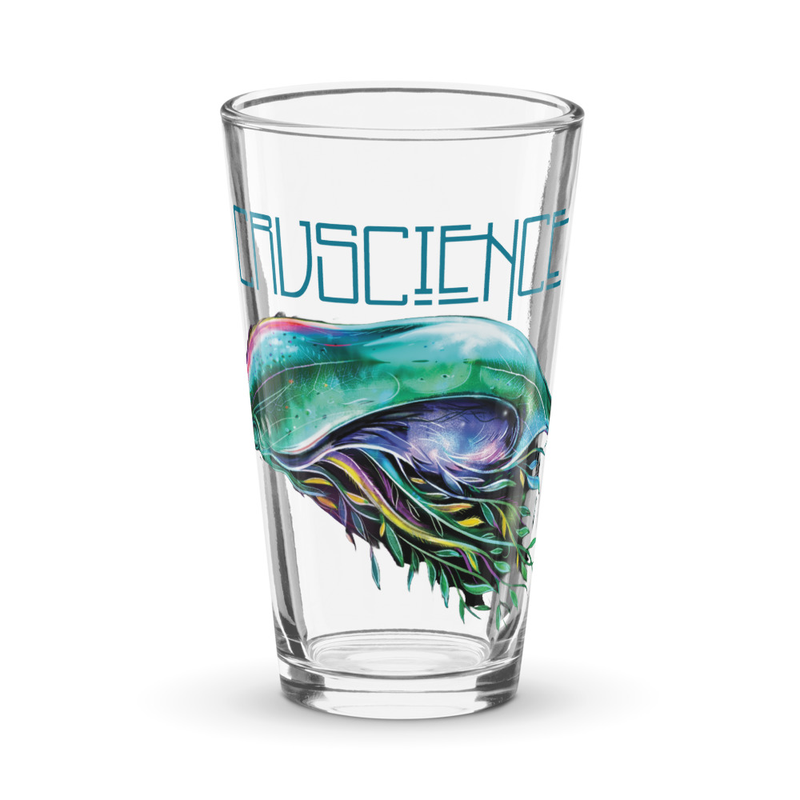
Original CRV Science astrobiology drinkware featuring the signature Space Jelly illustration inspired by hypothetical bioluminescent lifeforms in the subsurface oceans beneath the frozen water-ice crust of Saturn's moon, Titan.
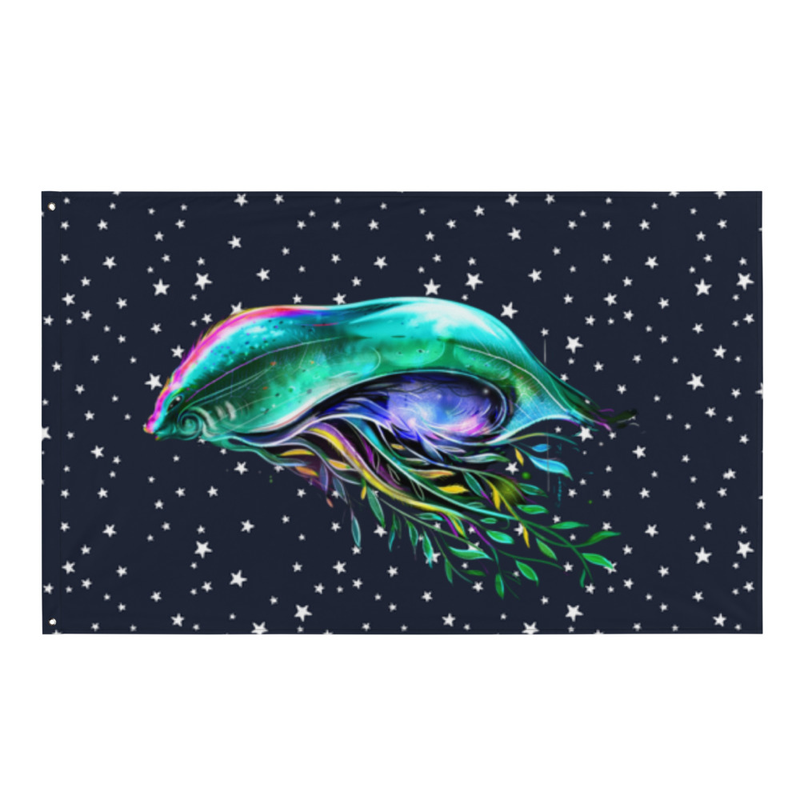
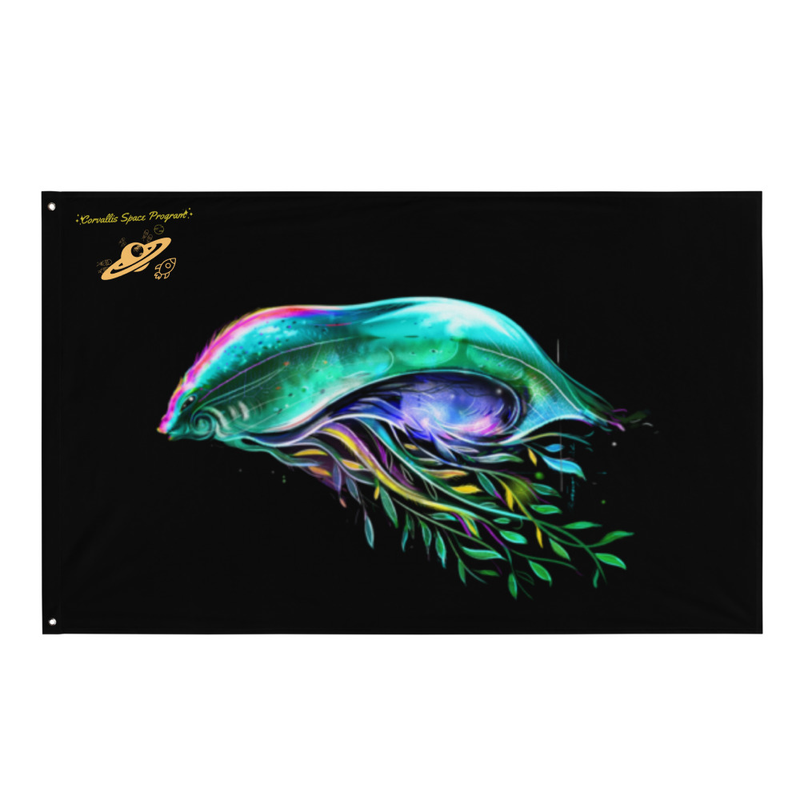
Archival astrobiology display piece featuring the signature Space Jelly illustration inspired by speculative bioluminescent lifeforms in the subsurface oceans beneath the frozen water-ice crust of Saturn's moon, Titan.
Original CRV Science astrobiology drinkware featuring the signature Space Jelly illustration inspired by hypothetical bioluminescent lifeforms in the subsurface oceans beneath the frozen water-ice crust of Saturn's moon, Titan.
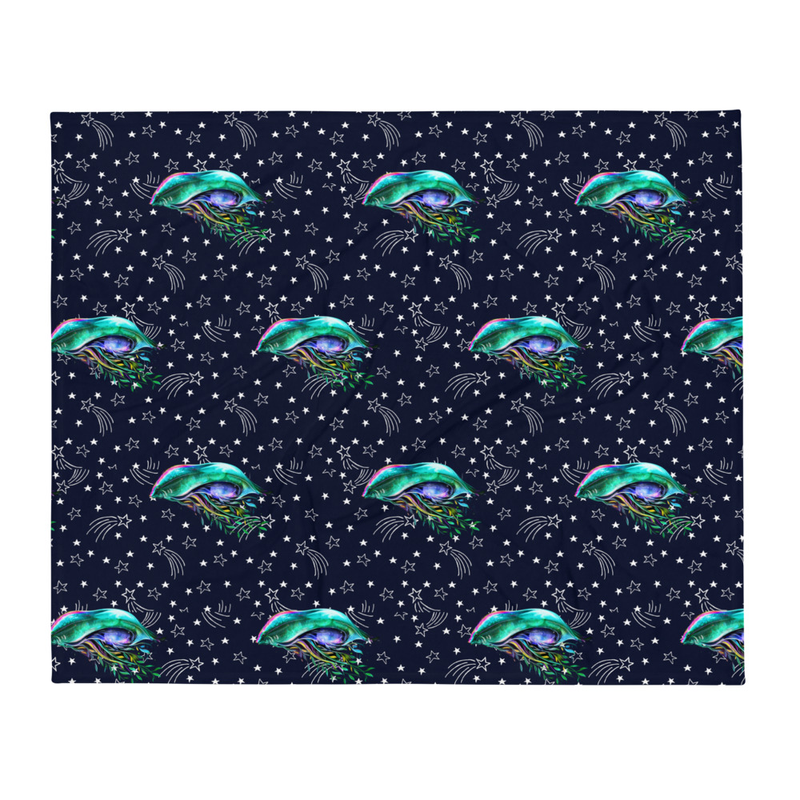
Soft plush throw blanket featuring the signature CRV Science Space Jelly astrobiology illustration inspired by hypothetical bioluminescent lifeforms in the subsurface oceans beneath the frozen water-ice crust of Saturn's moon, Titan.
Original CRV Science astrobiology drinkware featuring the signature Space Jelly illustration inspired by hypothetical bioluminescent lifeforms in the subsurface oceans beneath the frozen water-ice crust of Saturn's moon, Titan.
An exploration of life, time, nature, biology, philosophy, art, poetry, and speculative fiction by CRV Science founder Bryan P. White.
A compact collection of original visual art, poetry, and short fiction by CRV Science founder Bryan P. White.
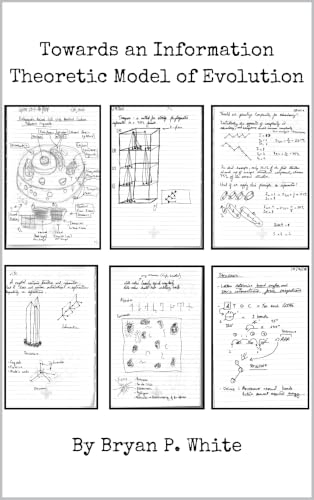
An interdisciplinary examination of biological evolution through the framework of information theory by Bryan P. White.
4.2 oz/yd² (142 g/m²), 32 singles ultra-soft jersey
Water-based, eco-certified inks with vivid color fastness
Side-seamed construction with shoulder-to-shoulder taping
Custom printed fresh per order with zero textile waste
Original science illustration inspired by hypothetical bioluminescent lifeforms drifting through the subsurface oceans beneath the frozen water-ice crust of Saturn's moon, Titan.
Soft, lightweight, and engineered with just the right amount of stretch. The classic Bella + Canvas 3001 silhouette flatters all body types, featuring the striking Space Jelly illustration printed with museum-grade precision.
Crafted in 2–5 business days. Shipped tracked in eco-friendly packaging worldwide.
| Material | 100% combed and ring-spun cotton |
| Fabric Weight | 4.2 oz./yd.² (142 g/m²) |
| Thread Count | 32 singles (super-soft luxury hand feel) |
| Construction | Side-seamed with shoulder-to-shoulder taping |
| Labels | Tear-away neck label + custom printed inner branding |
| Fit | Unisex regular retail fit |
| Print Technology | DTG printing with eco-certified inks |
Every shirt is made to order specifically for you at the nearest Printful facility (US, Europe, Canada, or Australia), ensuring maximum freshness and minimum carbon transport footprint.
| Production Time | 2–5 business days |
| US Standard Delivery | 3–6 business days ($4.99 or FREE over $50) |
| US Express Delivery | 2–3 business days ($9.99) |
| International Delivery | 5–14 business days |