Arizona Bark Scorpion
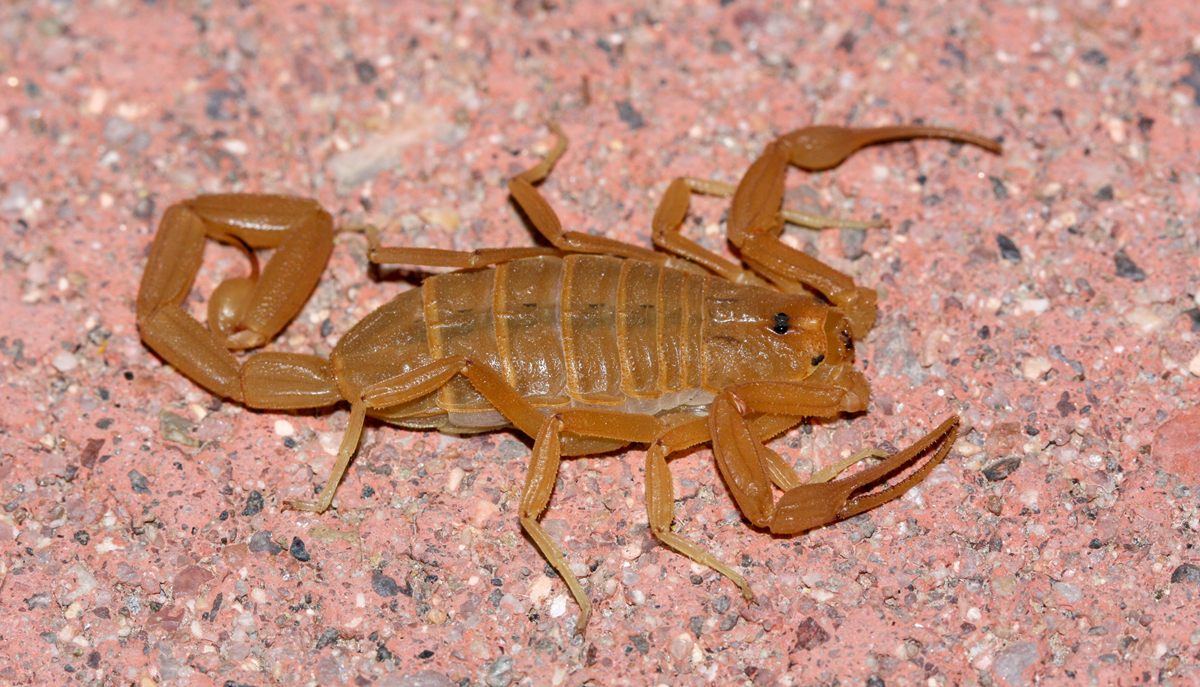
The Arizona bark scorpion (Centruroides sculpturatus) is a slender, pale scorpion of the Sonoran Desert and the most venomous scorpion in North America. Its sting is intensely painful and can be dangerous to young children, although deaths are rare.
The Arizona bark scorpion (Centruroides sculpturatus) is a slender, pale scorpion of the Sonoran Desert and the most venomous scorpion in North America. Its sting is intensely painful and can be dangerous to young children, although deaths are rare.
🧬 Field Guide Specimen: Open Arizona Bark Scorpion in the CRV Science Field Guide to log the specimen, see its place among the Ecdysozoa lineages in the Cladogram Explorer, and test your recall in the Red List conservation game.
Venom That Acts on Sodium Channels
The venom contains neurotoxins that bind voltage-gated sodium channels, keeping them open, so that nerves fire repeatedly. This causes numbness, tingling, pain and, in severe cases, muscle twitching and breathing problems.
Antivenom
In 2011 the US Food and Drug Administration approved Anascorp, an antivenom made from horses' antibody fragments, which quickly relieves symptoms of serious stings.
A Climber
Unlike most scorpions, this species climbs walls, trees and rocks and often enters homes. It glows under ultraviolet light, which is how people find it at night.
Arizona Bark Scorpion at a Glance
| Property | Value |
|---|---|
| Scientific name | Centruroides sculpturatus |
| Kingdom | Animalia |
| Phylum | Arthropoda |
| Subphylum | Chelicerata |
| Class | Arachnida |
| Order | Scorpiones |
| Family | Buthidae |
| Field Guide group | Ecdysozoa: Arachnida (Spiders, Scorpions & Allies) |
| Diagnostic feature (Field Guide) | Slender yellowish arachnid with thin pedipalp pincers and a segmented tail ending in a venomous sting; climbs vertical rock surfaces. |
| Order | Scorpiones |
| Venom target | Voltage-gated sodium channels |
See Also
- Emperor Scorpion — a mildly venomous scorpion
- Antibody — antibody-based antivenom