Beluga Sturgeon
The beluga sturgeon (Huso huso) is a huge fish of the Caspian and Black Seas that swims up rivers to spawn. It is among the largest freshwater and migratory fishes in the world, and it is listed as Critically Endangered.
The beluga sturgeon (Huso huso) is a huge fish of the Caspian and Black Seas that swims up rivers to spawn. It is among the largest freshwater and migratory fishes in the world, and it is listed as Critically Endangered. It is not related to the beluga whale.
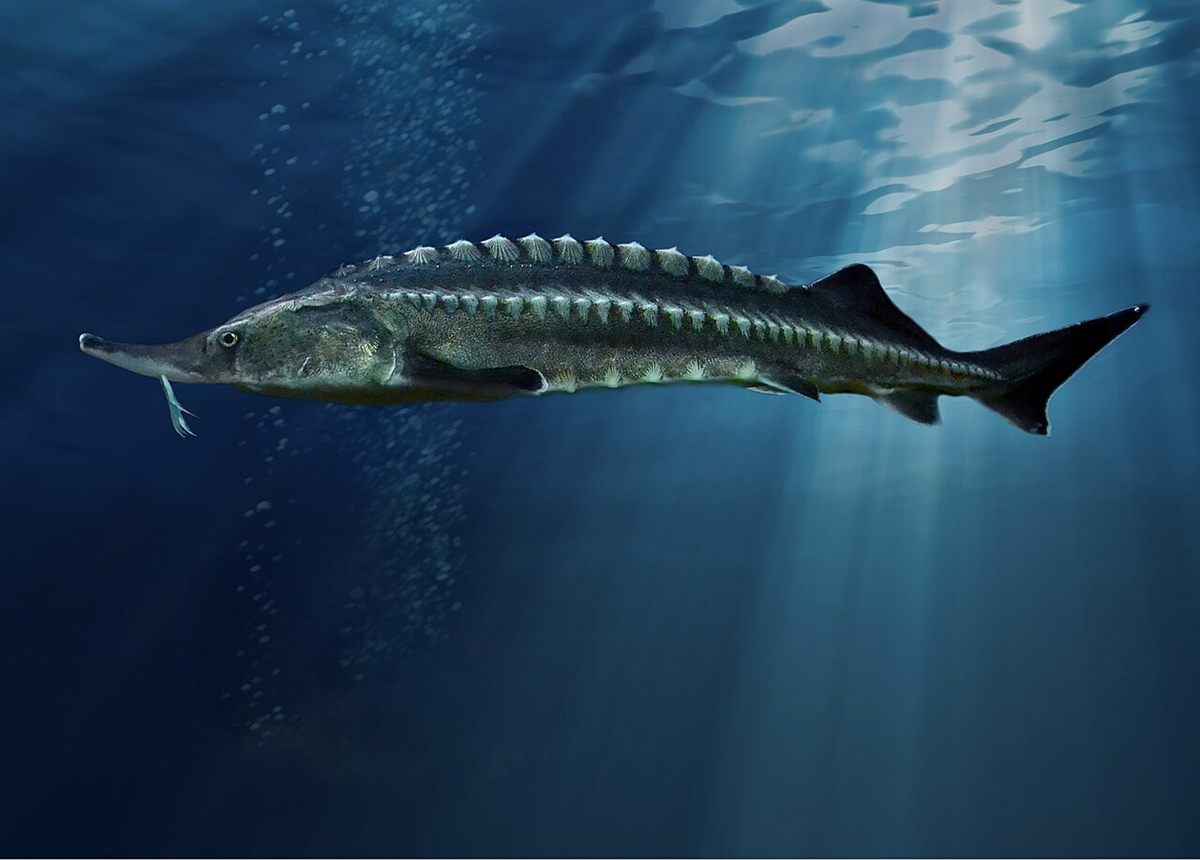
🧬 Field Guide Specimen: Open Beluga Sturgeon in the CRV Science Field Guide to log the specimen, see its place among the Vertebrates lineages in the Cladogram Explorer, and test your recall in the Red List conservation game.
A Giant of Rivers
Historical specimens reached more than 6 meters and a tonne or more in weight. Belugas can live over a century and females mature only after fifteen to twenty years or more, so populations recover very slowly.
Caviar and Collapse
Beluga caviar is the most expensive in the world, and demand led to overfishing and poaching. Dams on the Volga and other rivers blocked access to spawning grounds. International trade is regulated under CITES.
Hatcheries and Farms
Stocking programs and aquaculture supply some caviar, and a ban on wild harvest in the Caspian countries aims to allow recovery. See White Sturgeon.
Beluga Sturgeon at a Glance
| Property | Value |
|---|---|
| Scientific name | Huso huso |
| Kingdom | Animalia |
| Phylum | Chordata |
| Class | Actinopterygii |
| Order | Acipenseriformes |
| Family | Acipenseridae |
| Field Guide group | Marine and Freshwater Fish |
| Diagnostic feature (Field Guide) | One of the largest fish ever caught in rivers, with rows of bony plates (scutes), sensory barbels, and a shark-like upturned tail. |
| IUCN Red List status | Critically Endangered (CR), assessed 2022 |
| Lifespan | Possibly over 100 years |