Formosan Subterranean Termite
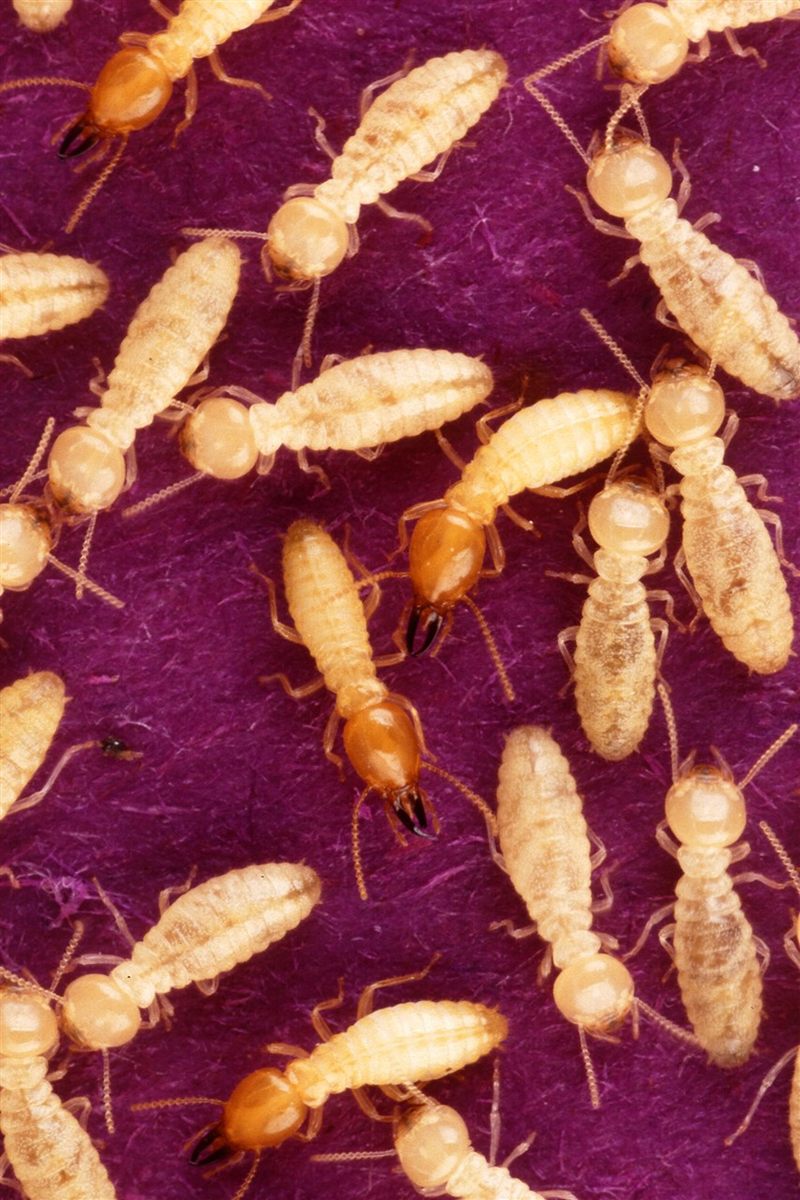
The Formosan subterranean termite (Coptotermes formosanus) is an aggressive wood-eating social insect native to southern China and Taiwan that has spread to Japan, Hawaii and the southern United States.
The Formosan subterranean termite (Coptotermes formosanus) is an aggressive wood-eating social insect native to southern China and Taiwan that has spread to Japan, Hawaii and the southern United States. Termites are not a separate order but specialized eusocial cockroaches within Blattodea.
🧬 Field Guide Specimen: Open Formosan Subterranean Termite in the CRV Science Field Guide to log the specimen, see its place among the Ecdysozoa lineages in the Cladogram Explorer, and test your recall in the Red List conservation game.
Termites Are Cockroaches: What Is the Evidence?
Anatomical and DNA studies show that the wood-eating cockroach genus Cryptocercus is the sister group of termites, nesting the termites within the cockroach tree. Both groups share gut symbionts and live in family groups, hinting at how termite social life began.
Cellulose Digestion by Gut Microbes
Wood is mostly cellulose, which animals cannot digest on their own. In "lower" termites like Coptotermes, single-celled protists in the hindgut break down wood particles, assisted by bacteria. Termites exchange gut contents among nestmates to pass on the symbionts.
A Costly Invader
Colonies can contain millions of workers that forage through soil tunnels and attack buildings and living trees. Soldiers squirt a sticky defensive fluid. The species arrived in the southern United States after World War II and causes damage and control costs measured in hundreds of millions of dollars annually.
Formosan Subterranean Termite at a Glance
| Property | Value |
|---|---|
| Scientific name | Coptotermes formosanus |
| Kingdom | Animalia |
| Phylum | Arthropoda |
| Class | Insecta |
| Order | Blattodea |
| Infraorder | Isoptera |
| Field Guide group | Ecdysozoa: Hexapoda (Insects) |
| Diagnostic feature (Field Guide) | Soft-bodied eusocial caste morphology, moniliform antennae, symbiotic hindgut cellulose digestion. |
| Caste system | Workers, soldiers, reproductives |
| Native range | Southern China and Taiwan |