North American Beaver
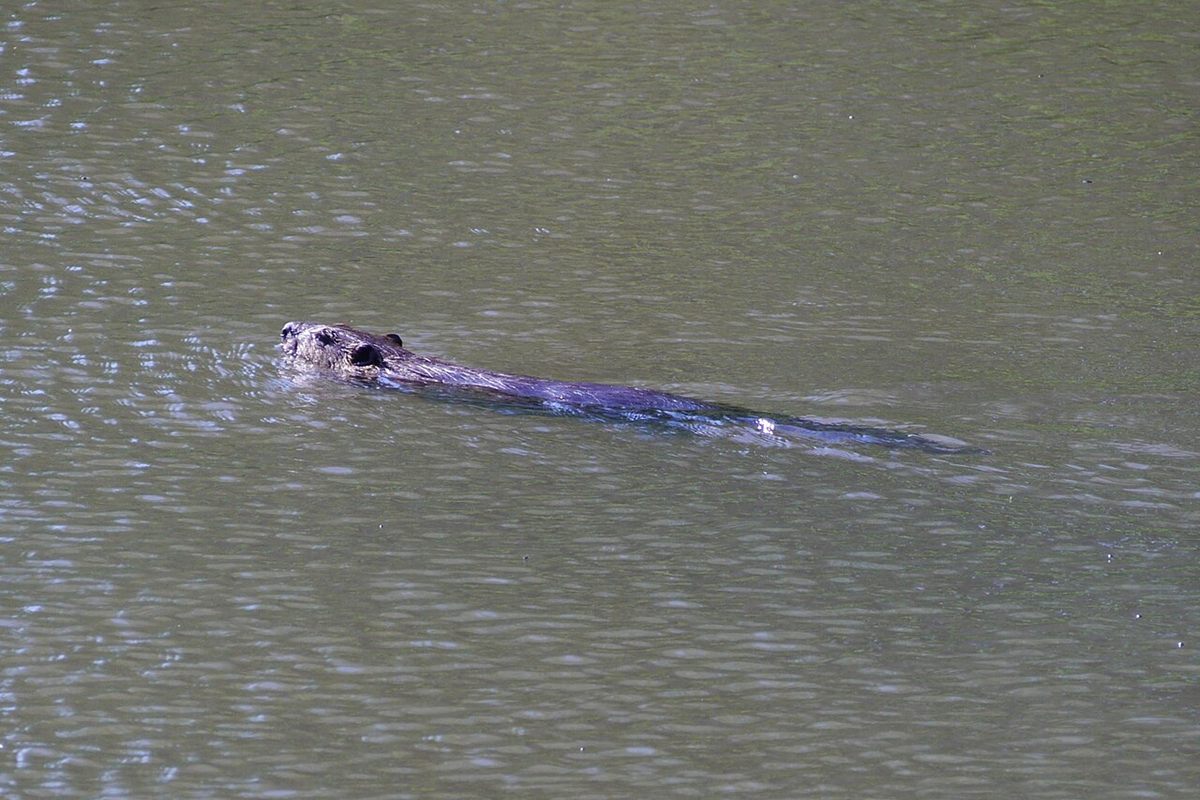
The North American beaver (Castor canadensis) is the largest rodent in North America after the capybara, and the world's foremost ecosystem engineer. By building dams, beavers create ponds and wetlands.
The North American beaver (Castor canadensis) is the largest rodent in North America after the capybara, and the world's foremost ecosystem engineer. By building dams, beavers create ponds and wetlands.
🧬 Field Guide Specimen: Open North American Beaver in the CRV Science Field Guide to log the specimen, see its place among the Mammals lineages in the Cladogram Explorer, and test your recall in the Red List conservation game.
Dams and Ponds: Reshaping Landscapes
Beavers fell trees with their strong incisors and build dams of branches and mud. The ponds slow streams, raise water tables, trap sediment and create wetlands that shelter fish, birds, amphibians and plants.
Iron Teeth
The orange color of beaver teeth comes from iron in the enamel, which makes it stronger and more resistant to wear. The incisors grow continuously.
Trapped and Returned
Fur trapping reduced beavers to a fraction of their numbers, and re-establishment has restored wetlands in many regions. Beaver wetlands are now recognized as resilient against drought and wildfire. See Ecosystem.
North American Beaver at a Glance
| Property | Value |
|---|---|
| Scientific name | Castor canadensis |
| Kingdom | Animalia |
| Phylum | Chordata |
| Class | Mammalia |
| Order | Rodentia |
| Family | Castoridae |
| Field Guide group | Mammals: Eutheria (Placentals) |
| Diagnostic feature (Field Guide) | Semi-aquatic ecosystem engineer with a broad, scaly, dorsoventrally flattened paddle tail, webbed hind feet, and orange iron-enamel chiseling incisors that grow continuously. |
| IUCN Red List status | Least Concern (LC), assessed 2016 |
| Order | Rodentia |
| Enamel | Iron-containing |