Pacific Lamprey
The Pacific lamprey (Entosphenus tridentatus) is a parasitic, jawless fish that spends years in the North Pacific before returning to rivers of the West Coast to spawn.
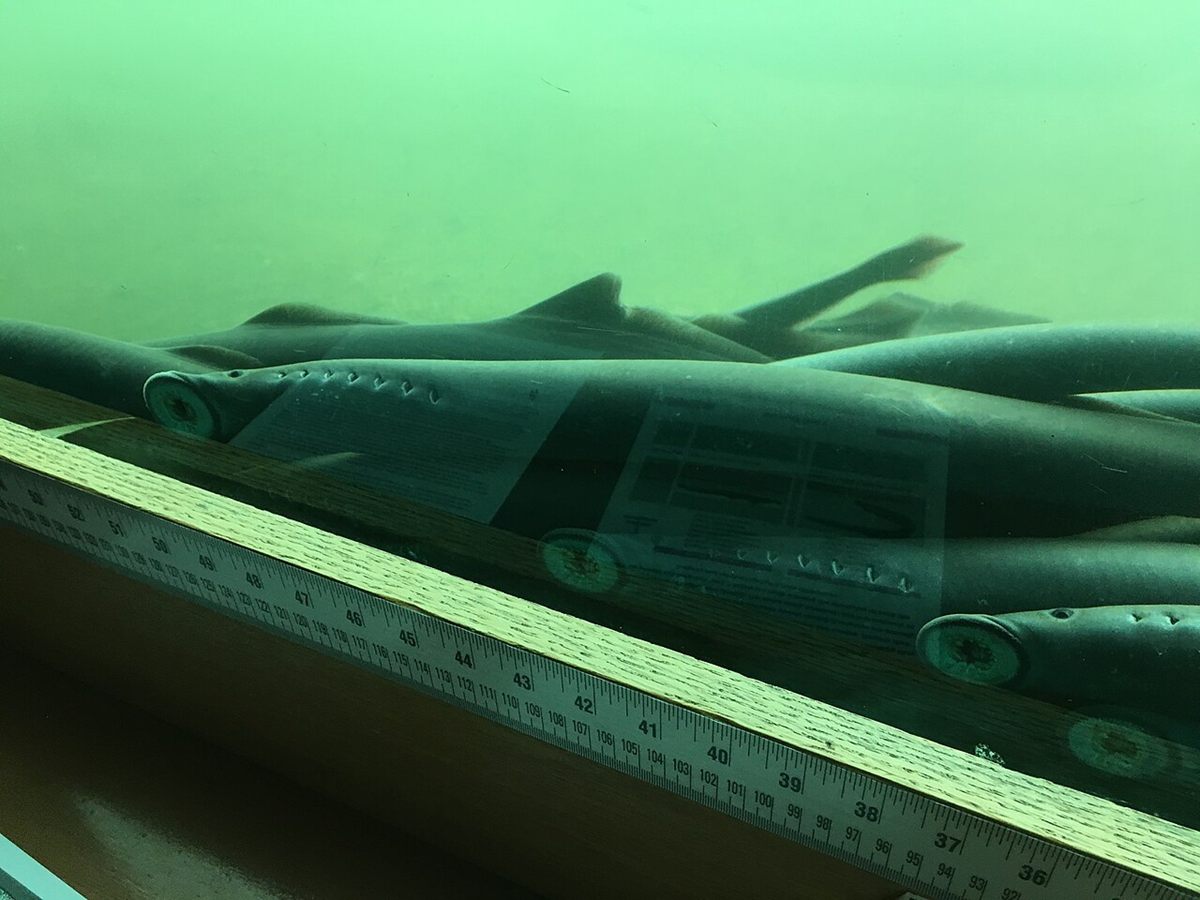
The Pacific lamprey (Entosphenus tridentatus) is a parasitic, jawless fish that spends years in the North Pacific before returning to rivers of the West Coast to spawn. For Indigenous peoples of the Pacific Northwest it is a traditional food and a cultural icon.
🧬 Field Guide Specimen: Open Pacific Lamprey in the CRV Science Field Guide to log the specimen, see its place among the Vertebrates lineages in the Cladogram Explorer, and test your recall in the Red List conservation game.
Ocean Parasite, River Spawner
Adults attach to salmon, whales and other fish with their toothed oral discs and rasp their flesh. After one to three years at sea they return to streams, where they stop feeding, build nests in gravel and die after spawning.
Dams and Decline
Dams, water diversions and degraded streams have blocked their migration and reduced their numbers. Lampreys are poor climbers at fish ladders designed for salmon, and tribal programs now work to restore them.
Nutrient Gifts
The carcasses of spawned lampreys fertilize streams and feed wildlife. See Sea Lamprey.
Pacific Lamprey at a Glance
| Property | Value |
|---|---|
| Scientific name | Entosphenus tridentatus |
| Kingdom | Animalia |
| Phylum | Chordata |
| Class | Petromyzontida |
| Order | Petromyzontiformes |
| Family | Petromyzontidae |
| Field Guide group | Marine and Freshwater Fish |
| Diagnostic feature (Field Guide) | Eel-like ocean parasite with a round toothed sucker disc instead of jaws; returns up rivers to spawn and can climb waterfalls with its mouth. |
| IUCN Red List status | Least Concern (LC), assessed 2022 |
| Class | Petromyzontida |
| Life history | Anadromous and parasitic |