Scots Pine
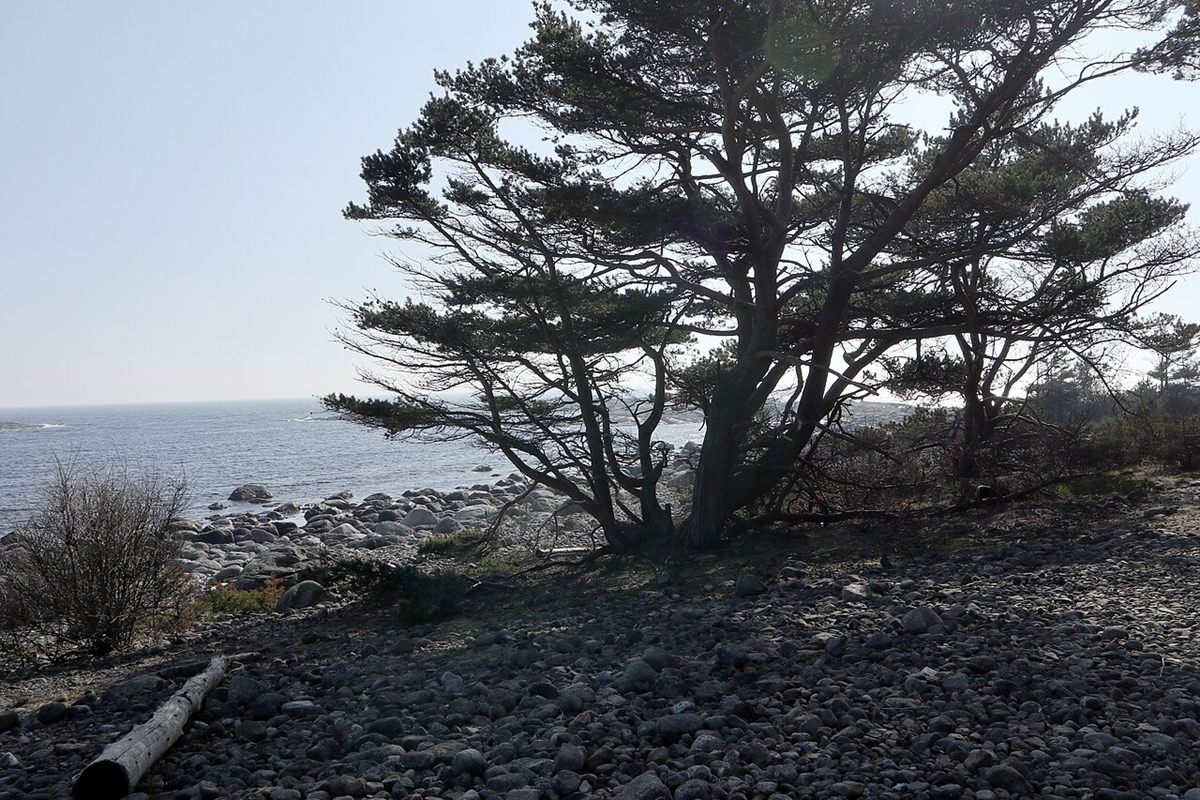
Scots pine (Pinus sylvestris) is a pine with orange-red upper bark and blue-green needles in pairs, and the most widely distributed pine in the world, from Spain to eastern Siberia. In Scotland, remnants of the ancient Caledonian pine forest survive.
Scots pine (Pinus sylvestris) is a pine with orange-red upper bark and blue-green needles in pairs, and the most widely distributed pine in the world, from Spain to eastern Siberia. In Scotland, remnants of the ancient Caledonian pine forest survive.
🧬 Field Guide Specimen: Open Scots Pine in the CRV Science Field Guide to log the specimen, see its place among the Diaphoretickes lineages in the Cladogram Explorer, and test your recall in the Red List conservation game.
A Pine for Cold, Poor Land
The tree tolerates cold winters and poor, sandy or peaty soil, and often forms the northern edge of the forest. Its resin protects against insects and fungi, and its timber is a major source of lumber in Europe.
The Caledonian Forest
Only a small fraction of the original Scottish pine forest remains after centuries of felling and grazing by deer. It shelters rare animals such as the capercaillie and red squirrel, and restoration projects are fencing and replanting.
Cones and Seeds
Female cones take two years to ripen and open in dry weather to release winged seeds. Like all conifers, Scots pine depends on wind pollination. See Coast Redwood.
Scots Pine at a Glance
| Property | Value |
|---|---|
| Scientific name | Pinus sylvestris |
| Kingdom | Plantae |
| Phylum | Tracheophyta |
| Class | Pinopsida |
| Order | Pinales |
| Family | Pinaceae |
| Field Guide group | Diaphoretickes: Plants & Algae |
| Diagnostic feature (Field Guide) | Orange-red flaking upper bark, paired blue-green needles, and woody cones whose seeds sit exposed on the scales. |
| IUCN Red List status | Least Concern (LC), assessed 2013 |
| Needles | In pairs |
| Range | Spain to eastern Siberia |