Shining Clubmoss
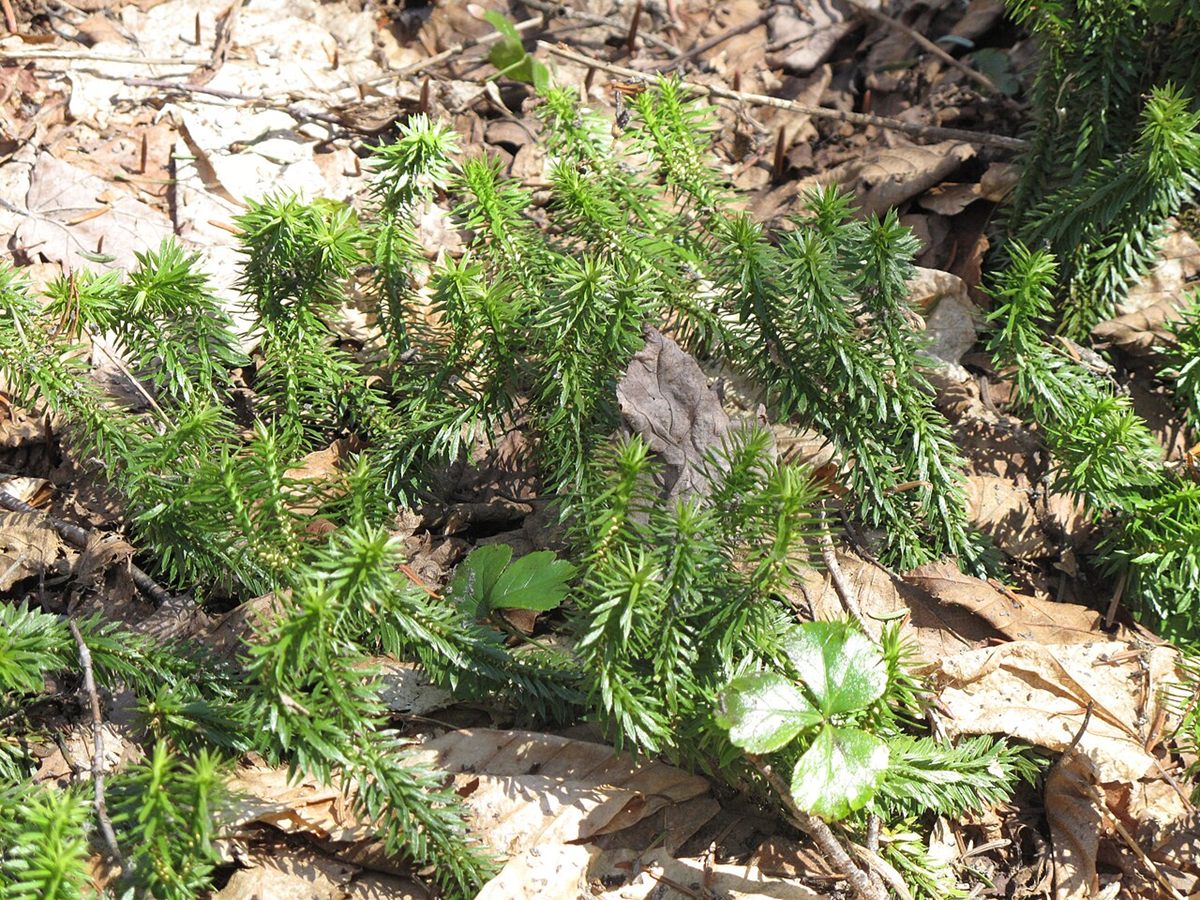
The shining clubmoss (Huperzia lucidula) is a glossy, dark green lycophyte of damp, shaded forests in eastern North America. Its upright stems carry shiny leaves and it reproduces by bulbils as well as spores.
The shining clubmoss (Huperzia lucidula) is a glossy, dark green lycophyte of damp, shaded forests in eastern North America. Its upright stems carry shiny leaves and it reproduces by bulbils as well as spores.
🧬 Field Guide Specimen: Open Shining Clubmoss in the CRV Science Field Guide to log the specimen, see its place among the Diaphoretickes lineages in the Cladogram Explorer, and test your recall in the Red List conservation game.
A Hidden Underground Generation
Clubmoss spores grow into tiny gametophytes that live underground for years, feeding on fungi rather than photosynthesizing. Only after this long subterranean stage does the visible sporophyte plant appear.
Slow Growers
The plants grow slowly and are sensitive to disturbance, so they are an indicator of mature, undisturbed forest in some regions. Harvest for decoration has depleted some populations.
Toxic Alkaloids
Like other huperzias, it contains alkaloids that are toxic when eaten. See Fir Clubmoss.
Shining Clubmoss at a Glance
| Property | Value |
|---|---|
| Scientific name | Huperzia lucidula |
| Kingdom | Plantae |
| Phylum | Tracheophyta |
| Class | Lycopodiopsida |
| Order | Lycopodiales |
| Family | Lycopodiaceae |
| Field Guide group | Diaphoretickes: Plants & Algae |
| Diagnostic feature (Field Guide) | Glossy dark-green upright stems with bands of longer and shorter leaves marking each year's growth; spreads by small buds. |
| Group | Lycophytes |
| Gametophyte | Underground, fungus-fed |