Tadpole Shrimp
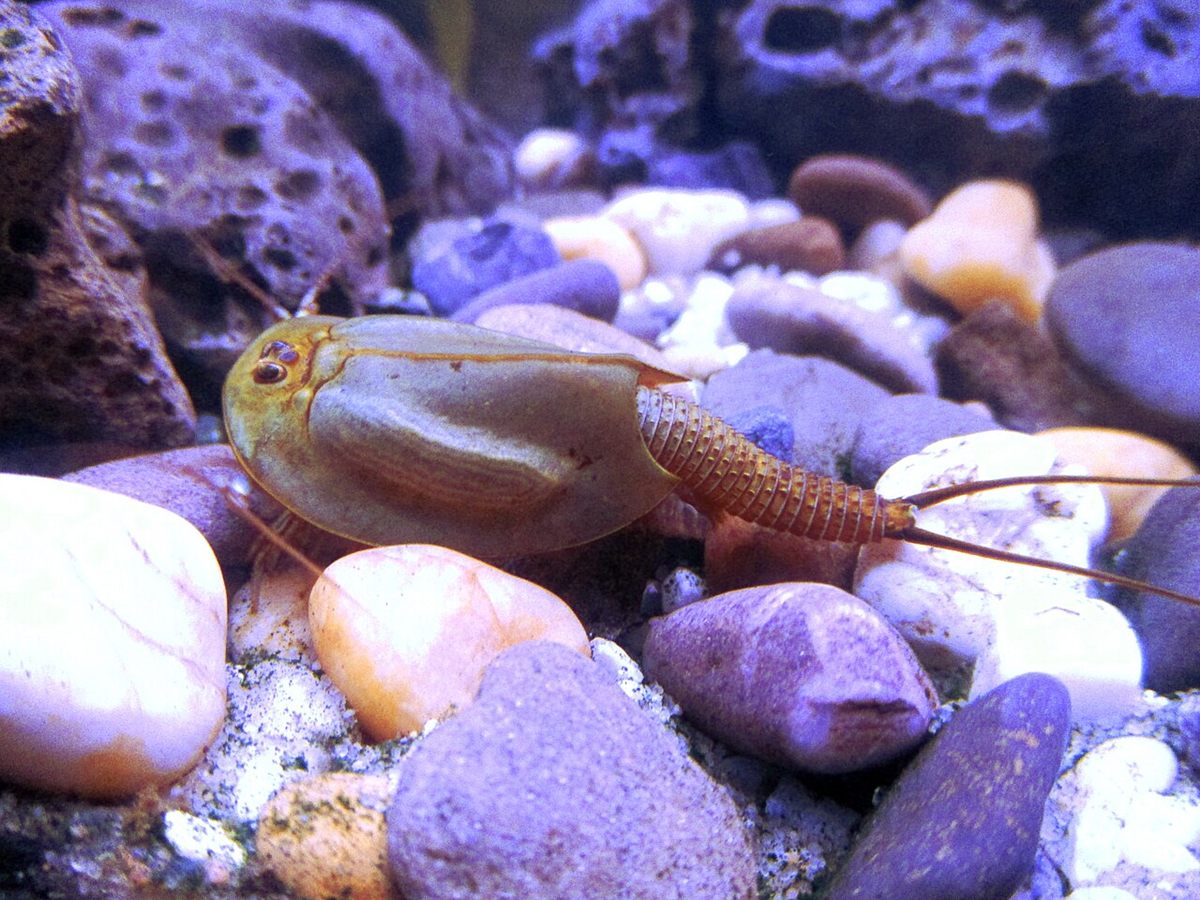
The tadpole shrimp (Triops cancriformis) is a small freshwater crustacean with a shield-like shell and long tail forks, living in temporary pools in Europe and Asia. Almost identical fossils appear in rocks more than 200 million years old.
The tadpole shrimp (Triops cancriformis) is a small freshwater crustacean with a shield-like shell and long tail forks, living in temporary pools in Europe and Asia. Almost identical fossils appear in rocks more than 200 million years old.
🧬 Field Guide Specimen: Open Tadpole Shrimp in the CRV Science Field Guide to log the specimen, see its place among the Ecdysozoa lineages in the Cladogram Explorer, and test your recall in the Red List conservation game.
Eggs That Wait for Rain
Temporary pools dry out, killing the adults, but the drought-resistant eggs survive in the dust, sometimes for years. When rain refills the pool, they hatch within a day or two and the animals grow quickly, mature in a couple of weeks and lay a new batch.
A Living Fossil?
The body form of Triops resembles Triassic fossils, which has made it a standard example of a living fossil. This does not mean the species is unchanged, since its genes and physiology have kept evolving.
Not Sea Monkeys
Tadpole shrimp kits sold as pets are sometimes confused with "sea monkeys", which are brine shrimp (Artemia). Triops are predators and scavengers that eat mosquito larvae and other small animals. In Britain, Triops cancriformis survives in only a couple of sites.
Tadpole Shrimp at a Glance
| Property | Value |
|---|---|
| Scientific name | Triops cancriformis |
| Kingdom | Animalia |
| Phylum | Arthropoda |
| Class | Branchiopoda |
| Order | Notostraca |
| Family | Triopsidae |
| Field Guide group | Ecdysozoa: Mandibulata (Mandibulates) |
| Diagnostic feature (Field Guide) | Dorsal horseshoe-shaped shield carapace, two compound eyes and a median ocellus, over 60 phyllopod leaf-like legs. |
| Order | Notostraca |
| Fossil age | More than 200 million years |