Antarctic Laevipilina
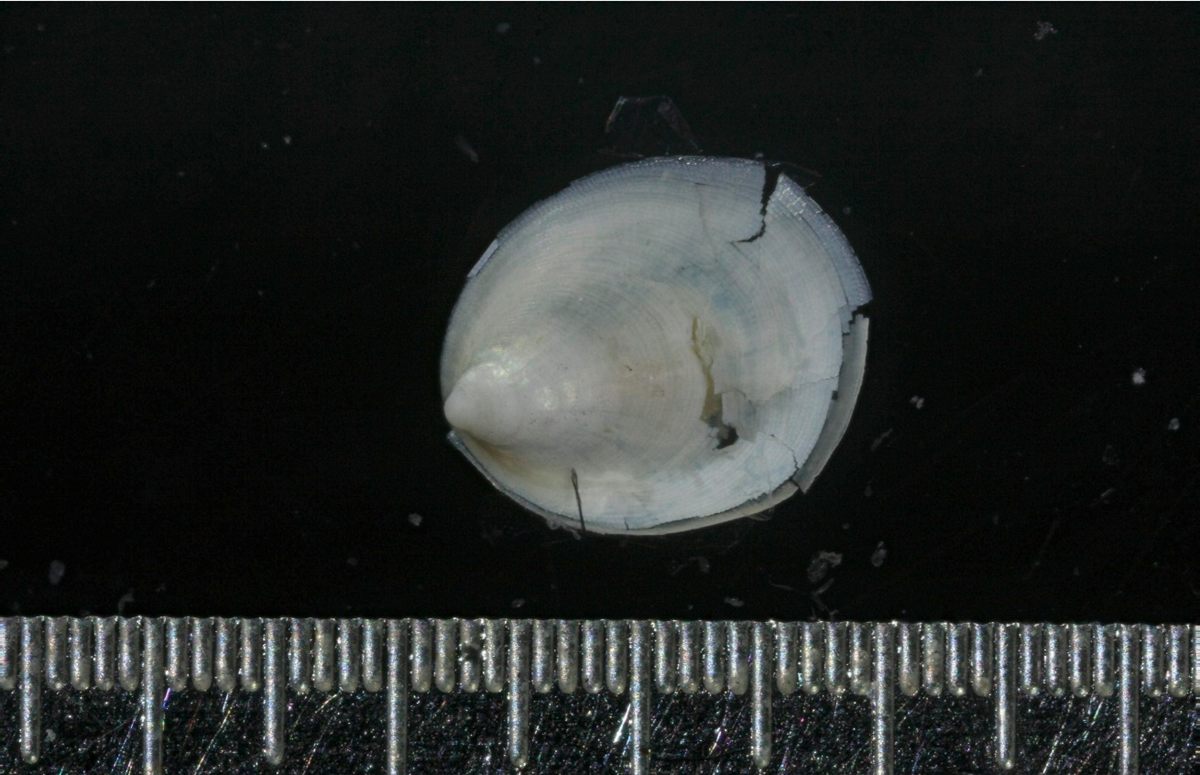
The Antarctic Laevipilina (Laevipilina antarctica) is a small, deep-water monoplacophoran from the Southern Ocean, one of the few living representatives of a class of molluscs that was thought extinct until 1952.
The Antarctic Laevipilina (Laevipilina antarctica) is a small, deep-water monoplacophoran from the Southern Ocean, one of the few living representatives of a class of molluscs that was thought extinct until 1952.
🧬 Field Guide Specimen: Open Antarctic Laevipilina in the CRV Science Field Guide to log the specimen, see its place among the Lophotrochozoa lineages in the Cladogram Explorer, and test your recall in the Red List conservation game.
A Rare Southern Mollusc
Monoplacophorans are mostly found in deep water, and each new species is a notable discovery. This species has a thin, cap-shaped shell only a few millimeters across.
Slow Lives in the Cold
Deep, cold water favors slow growth and long life. The animal feeds on microscopic organisms and organic particles on the seafloor.
Window on Mollusc Evolution
The paired gills and muscles of monoplacophorans have been important in debates about the origin of molluscs. See Neopilina.
Antarctic Laevipilina at a Glance
| Property | Value |
|---|---|
| Scientific name | Laevipilina antarctica |
| Kingdom | Animalia |
| Phylum | Mollusca |
| Class | Monoplacophora |
| Order | Tryblidiida |
| Family | Neopilinidae |
| Field Guide group | Lophotrochozoa: Mollusca (Mollusks) |
| Diagnostic feature (Field Guide) | Tiny, fragile, rounded cap-like shell only a few millimeters across from cold Antarctic slopes; repeated pairs of gills line the groove around its foot. |
| Class | Monoplacophora |
| Habitat | Deep Southern Ocean |