Neopilina
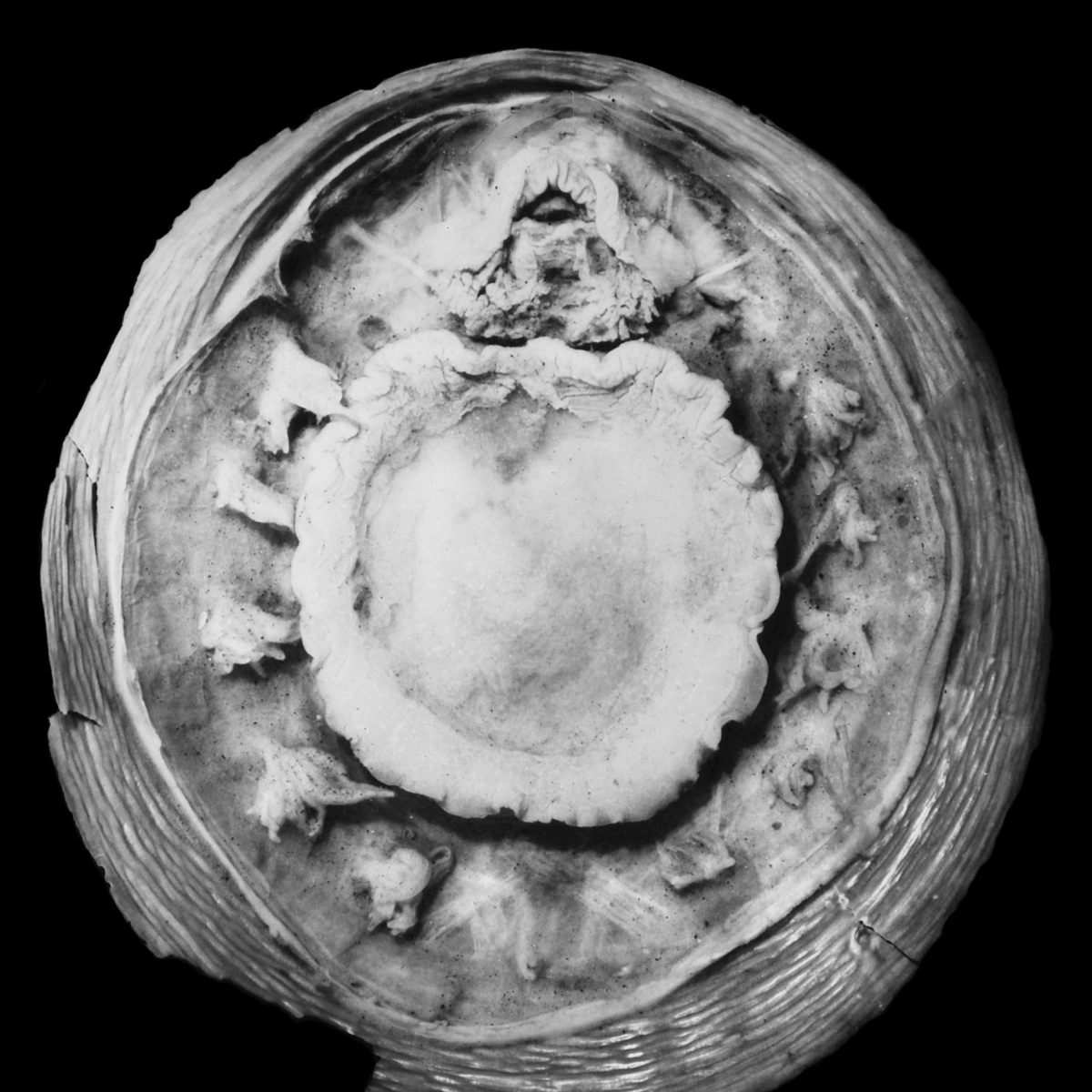
Neopilina (Neopilina galatheae) is a deep-sea limpet-like mollusc that belongs to a class, the Monoplacophora, thought to have been extinct for 400 million years until living animals were dredged up off Costa Rica in 1952.
Neopilina (Neopilina galatheae) is a deep-sea limpet-like mollusc that belongs to a class, the Monoplacophora, thought to have been extinct for 400 million years until living animals were dredged up off Costa Rica in 1952.
🧬 Field Guide Specimen: Open Neopilina Deep-Sea Limpet in the CRV Science Field Guide to log the specimen, see its place among the Lophotrochozoa lineages in the Cladogram Explorer, and test your recall in the Red List conservation game.
A Living Fossil: The Galathea Expedition
The Danish Galathea deep-sea expedition recovered live specimens from a trench at roughly 3,500 meters. The animals were described in 1957, and they showed that the monoplacophorans, previously known only from Cambrian to Devonian fossils, had survived in the deep sea.
Serial Structures: Is It Segmented?
Neopilina has repeated sets of gills and muscles along its body, which led some biologists to suggest molluscs evolved from a segmented ancestor. Most now regard the repetition as a separate feature rather than true segmentation.
Cap-Shaped Shell
The single cap-shaped shell, a few centimeters wide, covers a flat body with a ventral foot. The animal grazes on organic matter on the seafloor.
Neopilina at a Glance
| Property | Value |
|---|---|
| Scientific name | Neopilina galatheae |
| Kingdom | Animalia |
| Phylum | Mollusca |
| Class | Monoplacophora |
| Order | Tryblidiida |
| Field Guide group | Lophotrochozoa: Mollusca (Mollusks) |
| Diagnostic feature (Field Guide) | Single uncoiled cap-shaped shell, 5 pairs of gills, serial paired muscle scars suggesting primitive segmentation. |
| Class | Monoplacophora |
| Discovered alive | 1952 |
See Also
- Lined Chiton — a mollusc with serially arranged plates
- Elephant Tusk Shell — another early-branching mollusc class
- Evolutionary developmental biology — the origin of body segments
- Evolution — living fossils