Bituminous Coal
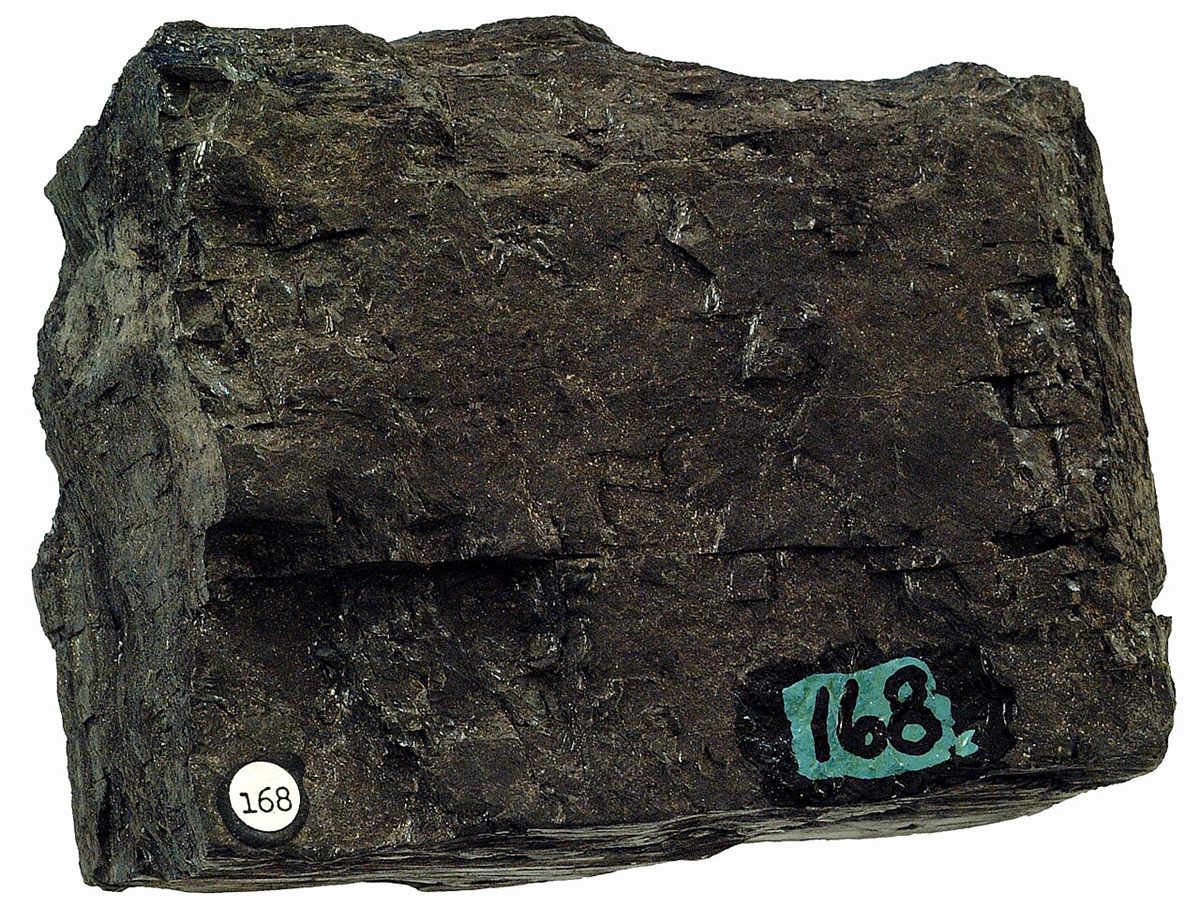
Bituminous coal is a dark, banded sedimentary rock made of compacted plant remains, with about 75 to 85 percent carbon. It is the most widely used rank of coal, burned for electricity and used to make coke for steelmaking.
Bituminous coal is a dark, banded sedimentary rock made of compacted plant remains, with about 75 to 85 percent carbon. It is the most widely used rank of coal, burned for electricity and used to make coke for steelmaking.
🪨 Geology Guide Specimen: Open Bituminous Coal in the CRV Science Rock & Mineral ID Guide to log the specimen, compare it with the other 6 subgroups of Sedimentary, and test your eye in LithoClade.
Coalification: How Does Peat Become Coal?
Buried plant matter first becomes peat. With deeper burial, heat and pressure squeeze out water and volatile compounds and concentrate carbon, so peat passes through lignite and sub-bituminous coal to bituminous coal and finally anthracite. Each step is called a higher rank, and bituminous coal sits in the middle of the series.
Carboniferous Swamps: Where Did the Plants Grow?
Many of the great coal beds formed in the Carboniferous and Permian, when lowland swamps of giant club-moss trees, ferns and horsetails were buried as sea level and basins shifted. Coal is made of macerals, the organic equivalents of minerals: bright vitrinite from woody tissue, dull inertinite and waxy liptinite, which give the bands their different looks.
Energy and Climate: Why Does It Matter?
Burning coal returns carbon that was stored for hundreds of millions of years to the air as carbon dioxide, which is a major driver of climate change. See fossil fuels and the carbon cycle. Bituminous coal breaks into blocks along regular fractures called cleats, which also help gas and water move through coal seams.
Bituminous Coal at a Glance
| Property | Value |
|---|---|
| Type / variety | Banded Vitrain–Clarain Humic Coal |
| Composition | 75–85% Carbon + Volatile Hydrocarbons (Macerals: Vitrinite, Inertinite, Liptinite) |
| Geology Guide group | Sedimentary Rocks (Clastic, Chemical & Biogenic) |
| Rock Classification | Siliceous, Iron & Organic |
| Mohs hardness | Mohs 2–2.5 |
| Texture / habit | Layered bright glassy bands (vitrain) and dull matte bands (durain) with blocky cleat joints |
| Density | 1.25–1.45 g/cm³ (very low density) |
| Lustre and cleavage | Jet-black pitchy-to-vitreous bands with orthogonal 'cleat' fractures |
| Geological setting | Anoxic Carboniferous and Permian coastal peat swamps and deltas |
| Diagnostic feature (Geology Guide) | Lightweight (1.3 g/cm³), jet-black layered rock showing alternating bright glassy bands and dull matte bands that breaks into rectangular blocks along orthogonal 'cleat' joints. |
| Carbon content | About 75-85% |
| Main uses | Electricity and coking coal for steel |