Lignite
Lignite, or brown coal, is the lowest rank of coal, a soft, brown, plant-rich rock that is only partly altered from peat. It still holds a lot of moisture and often preserves recognizable wood, bark and leaves.
Lignite, or brown coal, is the lowest rank of coal, a soft, brown, plant-rich rock that is only partly altered from peat. It still holds a lot of moisture and often preserves recognizable wood, bark and leaves.
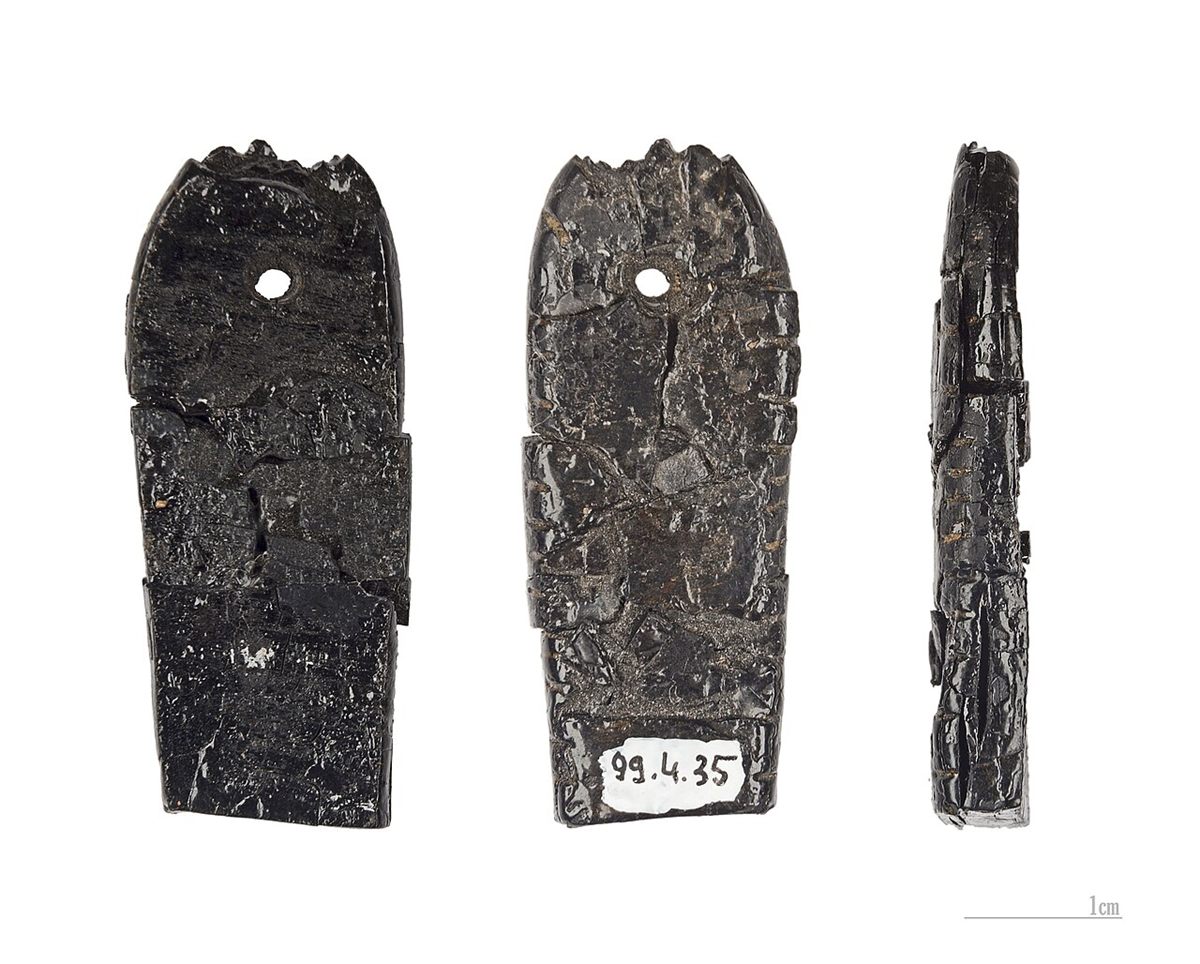
🪨 Geology Guide Specimen: Open Lignite (Brown Coal) in the CRV Science Rock & Mineral ID Guide to log the specimen, compare it with the other 6 subgroups of Sedimentary, and test your eye in LithoClade.
Peat to Lignite: What Changes in the First Step?
With modest burial and warming, peat compacts and loses water, and its plant material begins to be converted into a more carbon-rich, humic substance. Lignite is typically 60 to 70 percent carbon on a dry basis but can still hold 30 to 55 percent water, so it is crumbly and dries and cracks in air.
Low Rank: Why Is Lignite a Poor Fuel?
Its high moisture and low energy content make lignite expensive to transport, so it is usually burned near the mine, as in Germany, Australia's Latrobe Valley and parts of eastern Europe. Per unit of energy it releases more carbon dioxide than higher-rank coal, and dry lignite can heat up and ignite spontaneously.
Preserved Plants: What Does Lignite Show?
Because lignite is geologically young, mostly Cenozoic, it often contains woody twigs, bark fibers and fossil trunks. They give a view of ancient swamp forests, and beds also hold pollen and resins. See bituminous coal and fossil fuels for the rest of the series.
Lignite at a Glance
| Property | Value |
|---|---|
| Type / variety | Low-Rank Compressed Peat Carbonaceous Rock |
| Composition | 60–70% Carbon (dry basis) + High Moisture (30–55%) + Recognizable Woody Plant Tissue |
| Geology Guide group | Sedimentary Rocks (Clastic, Chemical & Biogenic) |
| Rock Classification | Siliceous, Iron & Organic |
| Mohs hardness | Mohs 1.5–2 |
| Texture / habit | Earthy, fibrous dark brown mass preserving compressed wood grain and bark |
| Density | 1.15–1.30 g/cm³ |
| Lustre and cleavage | Dull dark coffee-brown with splintery or woody fracture |
| Geological setting | Cenozoic fluvial floodplains and coastal mire basins |
| Diagnostic feature (Geology Guide) | Lightweight (1.2 g/cm³), dull coffee-brown to brownish-black combustible rock in which compressed woody twigs, bark fibers, and plant cuticles are still visibly preserved. |
| Carbon content | About 60-70% on a dry basis |
| Moisture | About 30-55% |
See Also
- Bituminous Coal — the next rank up
- Anthracite — the highest rank
- Carbon Cycle — where buried plant carbon fits