Diatomite
Diatomite, or diatomaceous earth, is a soft, lightweight, chalk-like sedimentary rock made of the fossil silica shells of diatoms, single-celled algae. Unlike chalk it does not fizz in acid, because its shells are opal rather than calcite.
Diatomite, or diatomaceous earth, is a soft, lightweight, chalk-like sedimentary rock made of the fossil silica shells of diatoms, single-celled algae. Unlike chalk it does not fizz in acid, because its shells are opal rather than calcite.
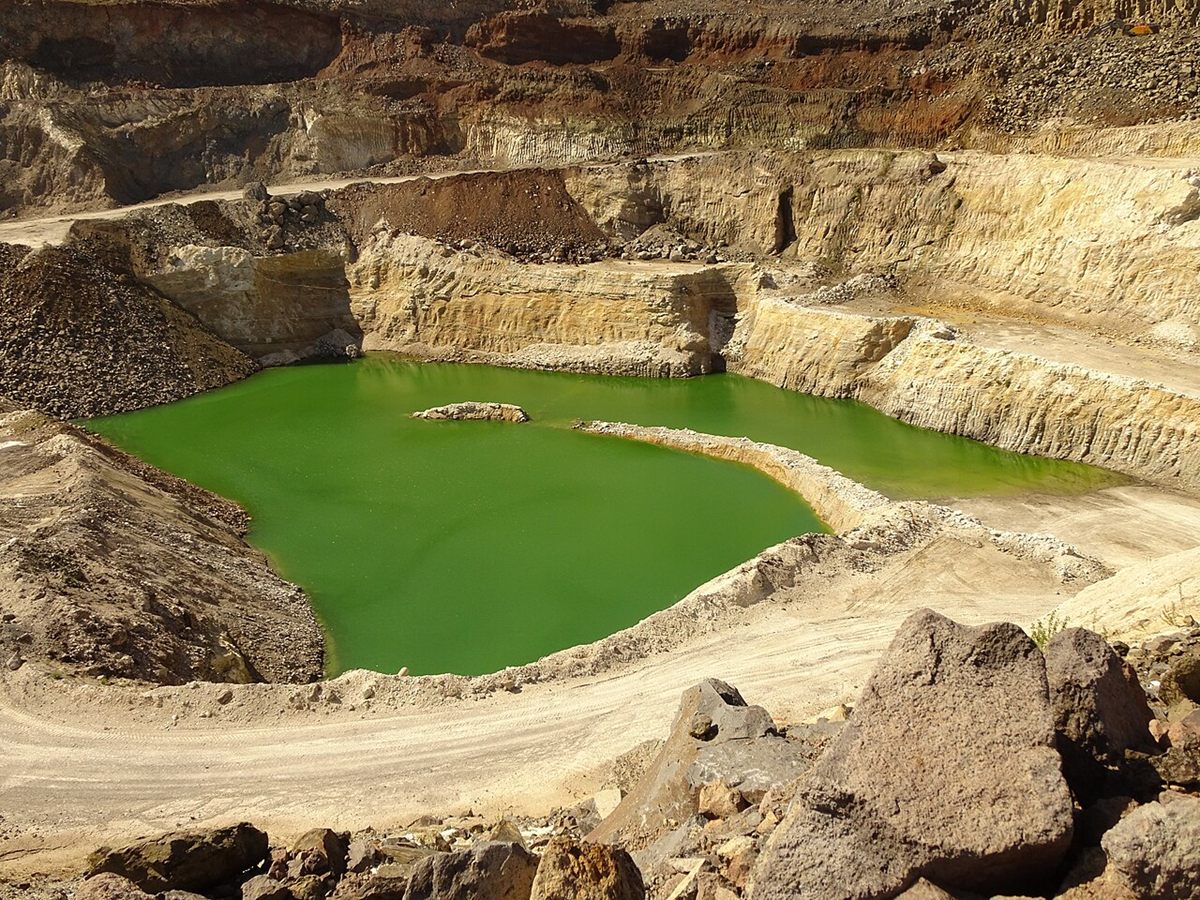
🪨 Geology Guide Specimen: Open Diatomite (Diatomaceous Earth) in the CRV Science Rock & Mineral ID Guide to log the specimen, compare it with the other 6 subgroups of Sedimentary, and test your eye in LithoClade.
Diatom Frustules: What Is It Made Of?
Diatoms build ornate, perforated shells called frustules from hydrated amorphous silica (opal-A). When the algae die the shells sink and accumulate. Diatomite is 80 to 90 percent silica, and its extremely high porosity, often around 80 percent, makes dry blocks light enough to float briefly.
Deposits: Where Does Diatomite Form?
Thick diatomite requires abundant diatoms and little other sediment. This happens in nutrient-rich upwelling zones and in lakes, as in the Miocene Monterey Formation of California, which includes the large deposits near Lompoc. See phytoplankton for the producers behind it.
Uses: What Is Diatomaceous Earth Good For?
Its tiny pores make diatomite an excellent filter for beer, wine, swimming pools and water, and a mild abrasive and insulator. Alfred Nobel used a form of it, kieselguhr, to absorb liquid nitroglycerin and make the safer explosive dynamite. With time diatomite turns into hard chert as the opal changes to quartz.
Diatomite at a Glance
| Property | Value |
|---|---|
| Type / variety | Siliceous Diatom-Frustule Sedimentary Rock |
| Composition | 80–90% Amorphous Hydrous Silica (SiO₂·nH₂O) from Diatom Frustules |
| Geology Guide group | Sedimentary Rocks (Clastic, Chemical & Biogenic) |
| Rock Classification | Siliceous, Iron & Organic |
| Mohs hardness | Mohs 1–2 (bulk friable; microscopic frustules are Mohs 5.5) |
| Texture / habit | Powdery, ultra-lightweight chalk-like block with 80% microporosity |
| Density | 0.35–0.60 g/cm³ (dry blocks float briefly on water) |
| Lustre and cleavage | Chalky off-white matte surface; completely unreactive in hydrochloric acid |
| Geological setting | Nutrient-rich upwelling marine basins and freshwater lakes |
| Diagnostic feature (Geology Guide) | Chalky white, ultra-lightweight block (bulk density ~0.4 g/cm³) that looks like chalk but does NOT fizz in acid because it consists of microscopic perforated opaline shells of single-celled algae. |
| Main component | Opal-A silica shells of diatoms |
| Acid test | No reaction, unlike chalk |