🐙 Cell & Organismal Biology
Horse Pinworm
The horse pinworm (Oxyuris equi) is a nematode that lives in the large intestine of horses. Females lay their eggs around the horse's anus, causing itching and tail-rubbing.
The horse pinworm (Oxyuris equi) is a nematode that lives in the large intestine of horses. Females lay their eggs around the horse's anus, causing itching and tail-rubbing.
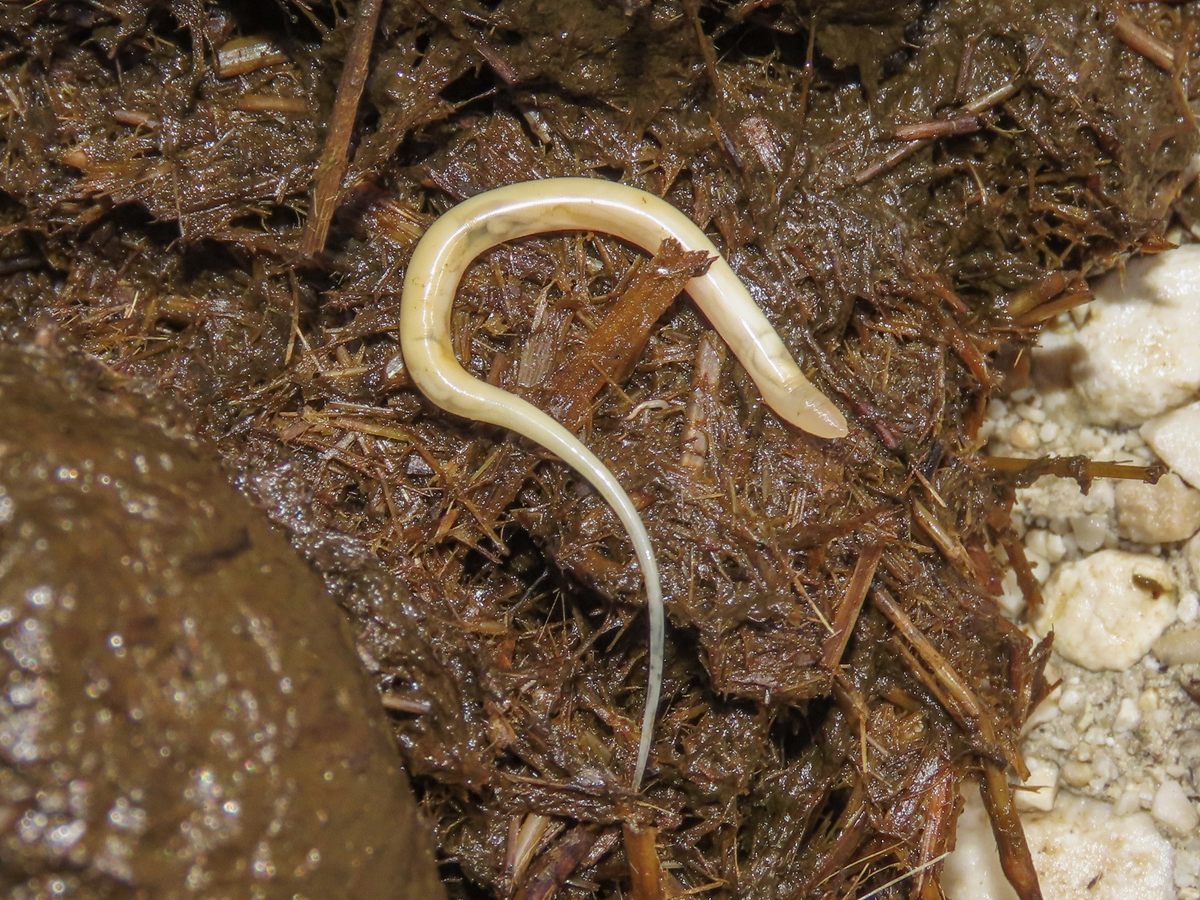
🧬 Field Guide Specimen: Open Horse Pinworm in the CRV Science Field Guide to log the specimen, see its place among the Ecdysozoa lineages in the Cladogram Explorer, and test your recall in the Red List conservation game.
The Itch Behind the Rubbed Tail
A gravid female crawls out of the anus and deposits sticky masses of eggs on the skin. The irritation makes horses rub their tails against posts, leaving a broken-off look.
Contaminated Stalls
Eggs fall into bedding, feed and water and are swallowed by other horses. Cleaning stalls and washing the perineal area helps break the cycle.
A Relative of Human Pinworms
The pinworm order Oxyurida includes the human pinworm. See Human Pinworm.
Horse Pinworm at a Glance
| Property | Value |
|---|---|
| Scientific name | Oxyuris equi |
| Kingdom | Animalia |
| Phylum | Nematoda |
| Class | Chromadorea |
| Order | Oxyurida |
| Family | Oxyuridae |
| Field Guide group | Ecdysozoa: Nematoda (Roundworms & Parasites) |
| Diagnostic feature (Field Guide) | Whitish worm of the horse's large intestine; females reach 15 cm with a long, thin, pointed tail and glue their eggs around the tail base, causing itching. |
| Order | Oxyurida |
| Host | Horses |
See Also
- Human Pinworm — a related pinworm
- Horse — the host
🧬 Support Open Science
Explore interactive science games on LowKey Games or browse scientific apparel & accessories in the CRV Science Shop.
💡
Spot an inaccuracy or have primary literature to expand this article?
Submit a citation or revision note using your shared CRV Science / LowKey Games profile ID.