Norite
Norite is a coarse-grained mafic plutonic rock made of calcium-rich plagioclase and orthopyroxene, the low-calcium pyroxene once called hypersthene or bronzite.
Norite is a coarse-grained mafic plutonic rock made of calcium-rich plagioclase and orthopyroxene, the low-calcium pyroxene once called hypersthene or bronzite. It is a variety of gabbroic rock that is especially important in layered intrusions and nickel and platinum deposits.
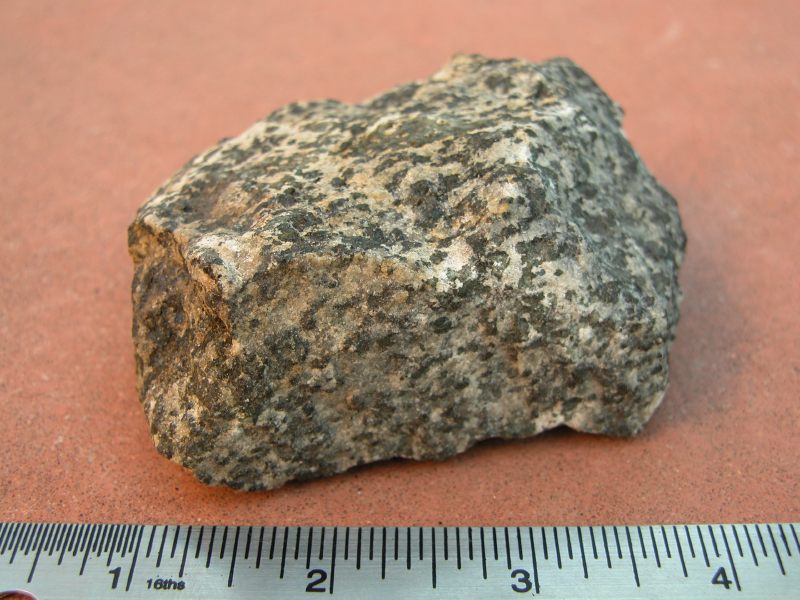
🪨 Geology Guide Specimen: Open Norite in the CRV Science Rock & Mineral ID Guide to log the specimen, compare it with the other 7 subgroups of Igneous, and test your eye in LithoClade.
Orthopyroxene versus Augite: What Sets Norite Apart?
Ordinary gabbro is dominated by clinopyroxene (augite). In norite, orthopyroxene outweighs clinopyroxene, giving bronzy, slightly metallic grains between the grey plagioclase. The mix reflects the temperature and composition of the magma at the time of crystallization, and norite often forms early from hot, magnesium-rich liquid.
Layered Complexes: Where Is It Found?
Norite is a major rock in layered intrusions such as the Bushveld Complex in South Africa and the Stillwater Complex in Montana. It is also a main component of the Sudbury Igneous Complex in Ontario, which formed from a melt sheet created by a giant meteorite impact about 1.85 billion years ago.
Ore Deposits: Why Do Geologists Prospect Norites?
The same processes that layered these intrusions concentrated metals. Norite-bearing complexes host chromite seams and platinum-group metals in the Bushveld and Stillwater, and nickel and copper sulfides at Sudbury, giving them an economic importance far beyond their size.
Norite at a Glance
| Property | Value |
|---|---|
| Type / variety | Orthopyroxene–Plagioclase Norite |
| Composition | Calcic Plagioclase (Labradorite) + Orthopyroxene (Hypersthene/Bronzite) |
| Geology Guide group | Igneous Rocks (Plutonic & Volcanic) |
| Rock Classification | Mafic Plutonic (Gabbroids) |
| Mohs hardness | Mohs 6 |
| Texture / habit | Coarse equigranular cumulate mosaic |
| Density | 2.92–3.08 g/cm³ |
| Lustre and cleavage | Bronzy submetallic orthopyroxene & grey plagioclase |
| Geological setting | Layered igneous complexes (e.g., Bushveld, Stillwater, Sudbury) |
| Diagnostic feature (Geology Guide) | Coarse dark deep-seated rock composed of calcic labradorite plagioclase and bronzy-brown orthopyroxene (hypersthene) rather than augite clinopyroxene, famous for hosting platinum-group ore layers. |
| Key mineral | Orthopyroxene (hypersthene or bronzite) |
| Famous complexes | Bushveld, Stillwater and Sudbury |
See Also
- Gabbro — the more common augite-bearing relative
- Anorthosite — the plagioclase-only end member
- Platinum — a metal mined from layered intrusions