Ostrich Fern
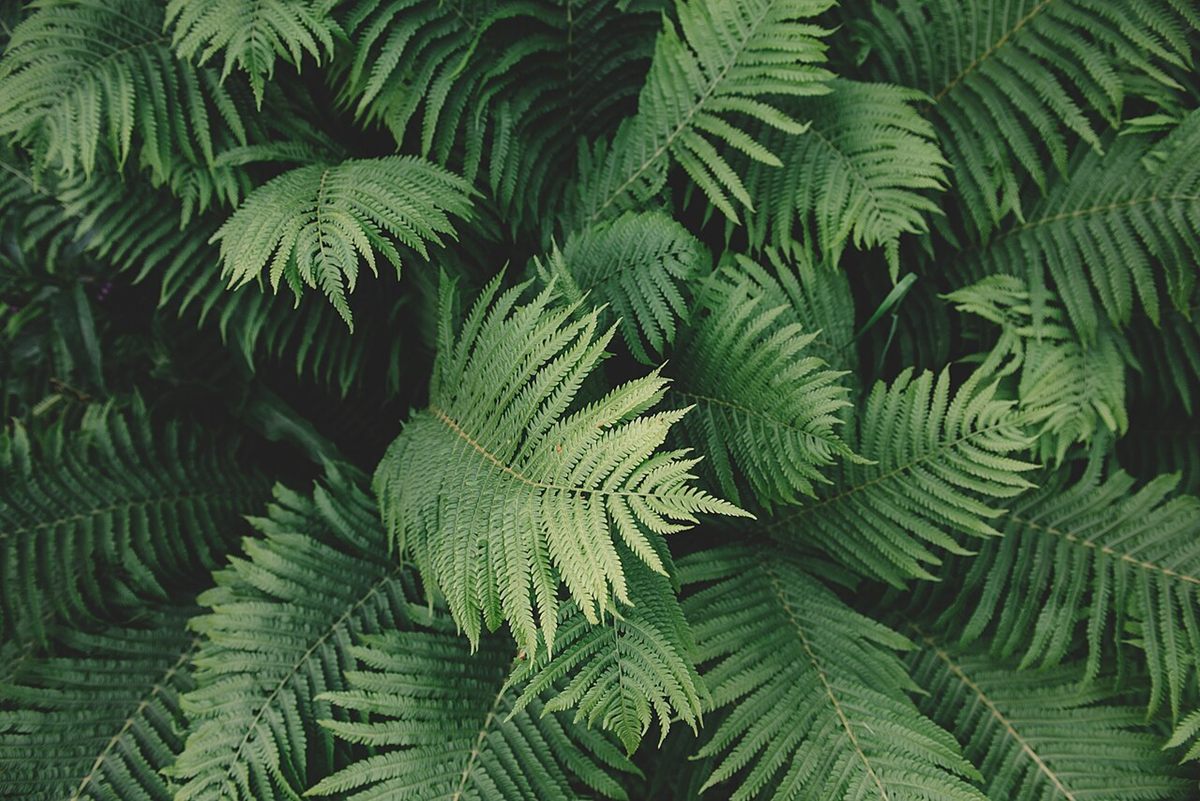
The ostrich fern (Matteuccia struthiopteris) is a large fern of damp woods and floodplains in the Northern Hemisphere, forming vase-shaped clumps of plume-like fronds. Its coiled young fronds, called fiddleheads, are eaten as a spring vegetable.
The ostrich fern (Matteuccia struthiopteris) is a large fern of damp woods and floodplains in the Northern Hemisphere, forming vase-shaped clumps of plume-like fronds. Its coiled young fronds, called fiddleheads, are eaten as a spring vegetable.
🧬 Field Guide Specimen: Open Ostrich Fern in the CRV Science Field Guide to log the specimen, see its place among the Diaphoretickes lineages in the Cladogram Explorer, and test your recall in the Red List conservation game.
Fiddleheads: Eat With Care
The tightly coiled fronds are harvested in spring and must be cooked thoroughly. Raw or undercooked fiddleheads have caused outbreaks of food poisoning in North America.
Two Kinds of Fronds
Tall green sterile fronds make food by photosynthesis. In late summer, short brown fertile fronds appear in the center of the clump and release spores through the winter.
Spreading by Runners
The fern spreads by underground runners (stolons), creating dense colonies along streams. It is a popular garden plant. See Staghorn Fern.
Ostrich Fern at a Glance
| Property | Value |
|---|---|
| Scientific name | Matteuccia struthiopteris |
| Kingdom | Plantae |
| Phylum | Tracheophyta |
| Class | Polypodiopsida |
| Order | Polypodiales |
| Family | Onocleaceae |
| Field Guide group | Diaphoretickes: Plants & Algae |
| Diagnostic feature (Field Guide) | Vase-shaped crown of tall plume-like fronds; edible coiled shoots ('fiddleheads') in spring; brown spore fronds in the center. |
| Group | Ferns |
| Edible part | Cooked fiddleheads |