Snow Leopard
The snow leopard (Panthera uncia) is an elusive big cat of the high mountains of Central and South Asia, living at elevations up to about 4,500 meters. It is listed as Vulnerable, with a few thousand mature individuals.
The snow leopard (Panthera uncia) is an elusive big cat of the high mountains of Central and South Asia, living at elevations up to about 4,500 meters. It is listed as Vulnerable, with a few thousand mature individuals.
🧬 Field Guide Specimen: Open Snow Leopard in the CRV Science Field Guide to log the specimen, see its place among the Mammals lineages in the Cladogram Explorer, and test your recall in the Red List conservation game.
Mountain Adaptations: How Does It Survive the Cold?
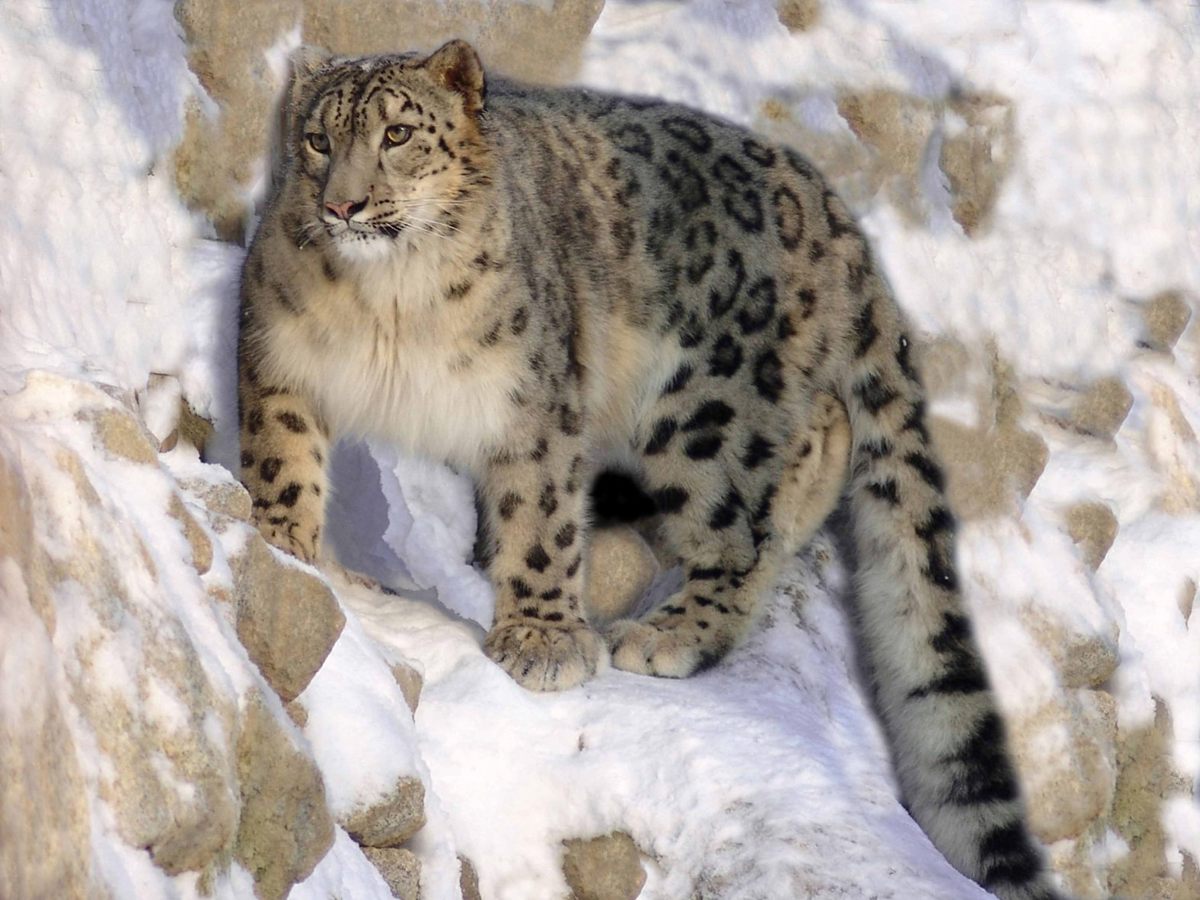
A thick coat, wide furry paws that act like snowshoes, and a long, heavy tail wrapped around the body for warmth and balance equip the cat for steep snowy terrain. Large nasal cavities warm the thin, cold air. Snow leopards do not roar but make chuffs, mews and growls.
Prey and Range
The cat hunts blue sheep and ibex, sometimes taking prey several times its own weight, and also takes marmots and hares. Each animal needs a huge home range, so protecting corridors across national borders is essential. Camera traps and satellite collars have revealed how widely they travel.
Evolutionary Placement and Threats
Genomic evidence places the snow leopard in the genus Panthera as a close relative of the tiger. Poaching, loss of prey and retaliation for livestock killing are the main threats, along with mining and climate change that shifts the treeline upward.
Snow Leopard at a Glance
| Property | Value |
|---|---|
| Scientific name | Panthera uncia |
| Kingdom | Animalia |
| Phylum | Chordata |
| Class | Mammalia |
| Order | Carnivora |
| Family | Felidae |
| Field Guide group | Mammals: Eutheria (Placentals) |
| Diagnostic feature (Field Guide) | Dense smoky-grey spotted fur, wide nasal cavity warming frigid alpine air, huge thick furry balance tail. |
| IUCN Red List status | Vulnerable (VU), assessed 2017 |
| Habitat | High mountains of Central and South Asia |
See Also
- Cheetah — another threatened big cat
- Climate change — upward shifts of alpine habitats