Tongue-eating Louse
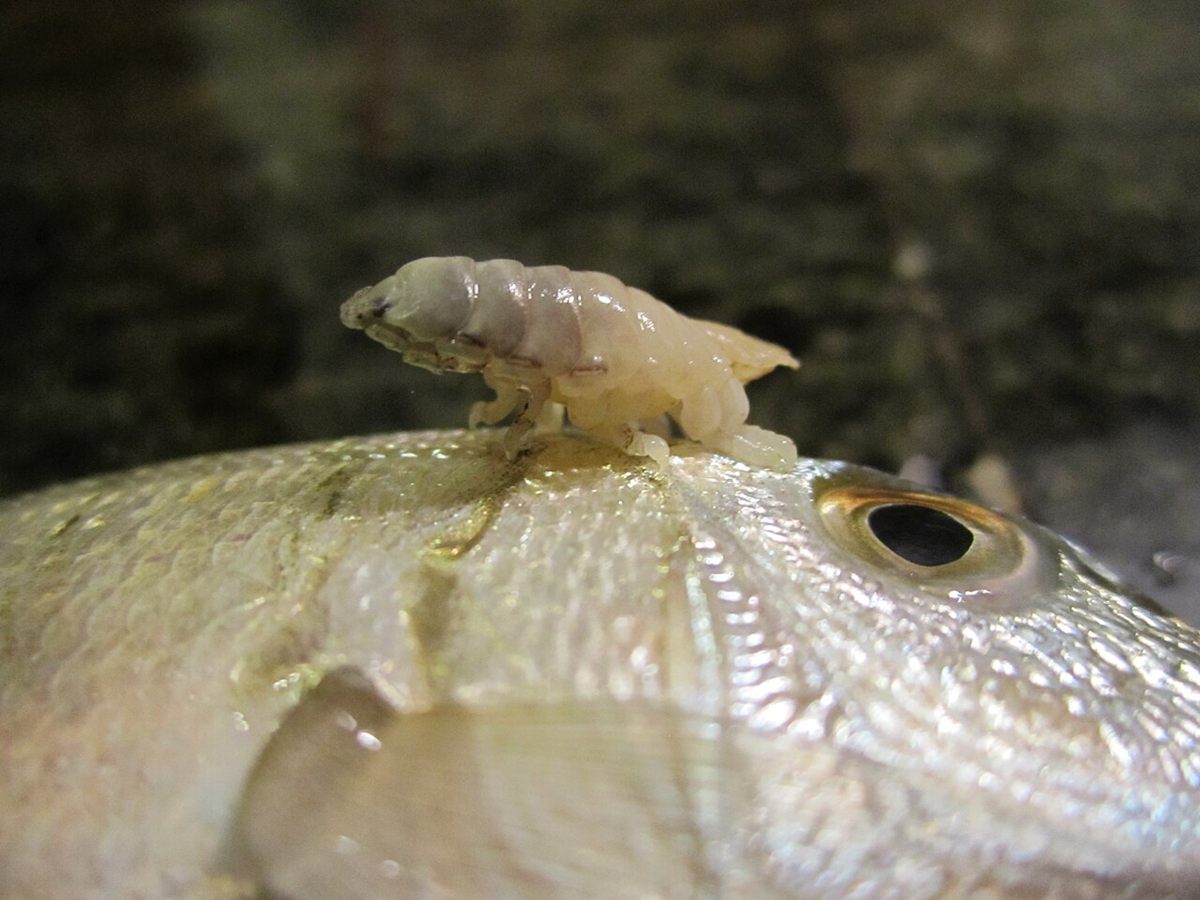
The tongue-eating louse (Cymothoa exigua) is a parasitic isopod that enters a fish through its gills, attaches to its tongue and replaces it. It is harmless to people.
The tongue-eating louse (Cymothoa exigua) is a parasitic isopod that enters a fish through its gills, attaches to its tongue and replaces it. It is harmless to people.
🧬 Field Guide Specimen: Open Tongue-eating Louse in the CRV Science Field Guide to log the specimen, see its place among the Ecdysozoa lineages in the Cladogram Explorer, and test your recall in the Red List conservation game.
A Living Tongue Replacement
The female louse grips the base of the fish's tongue with clawed legs and feeds on its blood. The tongue withers away from lack of blood, and the louse takes its place, holding on and acting as a functional tongue for the fish.
Sex Change
The louse begins as a male and later changes into a female. A fish usually carries one female, with a male nearby on the gills.
A Crustacean Parasite
Isopods are crustaceans, the same group as pill bugs and giant isopods. The parasite lives in the Gulf of California and the eastern Pacific, often on spotted rose snapper.
Tongue-eating Louse at a Glance
| Property | Value |
|---|---|
| Scientific name | Cymothoa exigua |
| Kingdom | Animalia |
| Phylum | Arthropoda |
| Class | Malacostraca |
| Order | Isopoda |
| Family | Cymothoidae |
| Field Guide group | Ecdysozoa: Mandibulata (Mandibulates) |
| Diagnostic feature (Field Guide) | Parasite that enters through a fish's gills, clamps onto the host's tongue with hooked legs, and functionally replaces the tongue after it withers away. |
| Order | Isopoda |
| Host | Marine fishes, including spotted rose snapper |
See Also
- Common Pill Bug — a terrestrial isopod
- Giant Isopod — a deep-sea isopod