Basalt
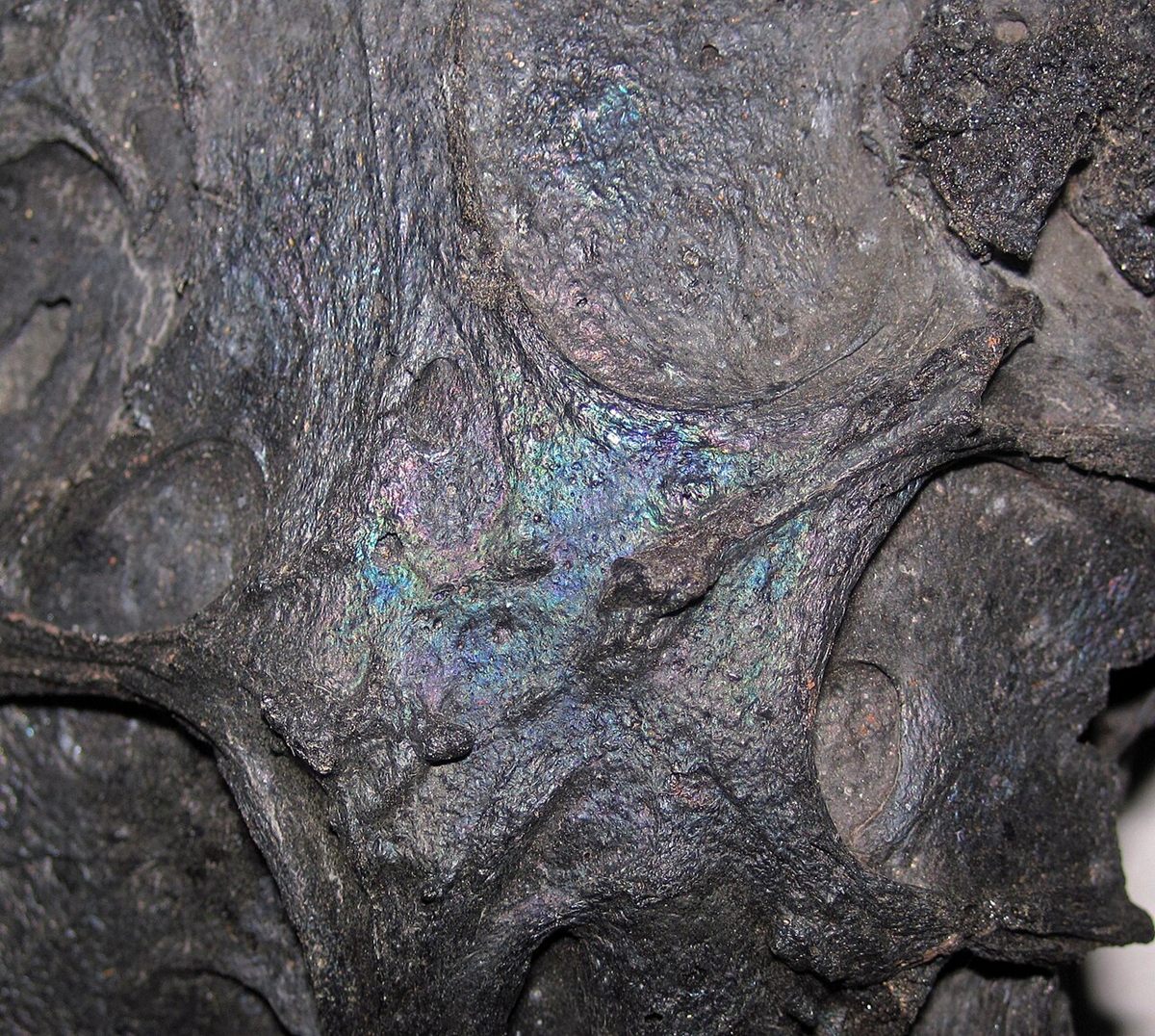
Basalt is a dark, fine-grained volcanic rock with low silica content, about 45 to 52 weight percent. It is the most common volcanic rock on Earth, forming the ocean floor, volcanic islands and vast continental flood-basalt plateaus.
Basalt is a dark, fine-grained volcanic rock with low silica content, about 45 to 52 weight percent. It is the most common volcanic rock on Earth, forming the ocean floor, volcanic islands and vast continental flood-basalt plateaus.
🪨 Geology Guide Specimen: Open Basalt in the CRV Science Rock & Mineral ID Guide to log the specimen, compare it with the other 7 subgroups of Igneous, and test your eye in LithoClade.
Mantle Melts: How Is Basalt Made?
Basaltic magma forms when mantle peridotite partly melts, usually by a drop in pressure beneath mid-ocean ridges and hot mantle plumes, with only a fraction of the rock turning to liquid. The melt rises, and when it erupts it is hot and runny, so it spreads widely and cools into fine-grained rock, with olivine, pyroxene and plagioclase crystals too small to see.
Landforms: What Do Basalt Flows Build?
Cooling and shrinking basalt cracks into polygonal columns, as at the Giant's Causeway in Northern Ireland and Devils Postpile in California. Giant outpourings called flood basalts, such as the Deccan Traps and Columbia River Basalts, cover hundreds of thousands of square kilometers, and the Siberian Traps are linked to the end-Permian mass extinction.
Planetary Crusts: Is Basalt Found Beyond Earth?
Basalt is the common volcanic rock of the rocky planets. The dark lunar maria, plains on Mars and the asteroid Vesta are all basaltic. On Earth, basalt weathers relatively quickly, drawing down carbon dioxide through silicate weathering, which is why it is studied for enhanced-weathering carbon removal.
Basalt at a Glance
| Property | Value |
|---|---|
| Type / variety | Aphanitic Tholeiitic Basalt |
| Composition | 45–52% SiO₂ • Microscopic Ca-Plagioclase + Augite + Olivine + Magnetite |
| Geology Guide group | Igneous Rocks (Plutonic & Volcanic) |
| Rock Classification | Mafic Volcanic (Basaltoids) |
| Mohs hardness | Mohs 6 |
| Texture / habit | Dense microcrystalline (aphanitic), often with polygonal cooling joints |
| Density | 2.85–3.05 g/cm³ |
| Lustre and cleavage | Matte charcoal-black to dark grey; rusty brown weathered rind |
| Geological setting | Mid-ocean ridges, oceanic islands, and continental flood provinces |
| Diagnostic feature (Geology Guide) | Dense, heavy charcoal-black surface-erupted rock with crystals too small to see with the naked eye, frequently contracting into hexagonal columns as thick flows cool. |
| Plutonic equivalent | Gabbro |
| Share of Earth's volcanic rock | The most abundant type |
See Also
- Gabbro — the plutonic equivalent
- Silicate Weathering — how basalt draws down carbon dioxide
- Plate Tectonics — the ridges and plumes where basalt is made