Domestic Dog
The domestic dog (Canis lupus familiaris) is the first animal domesticated by people, descended from gray wolves more than 15,000 years ago.
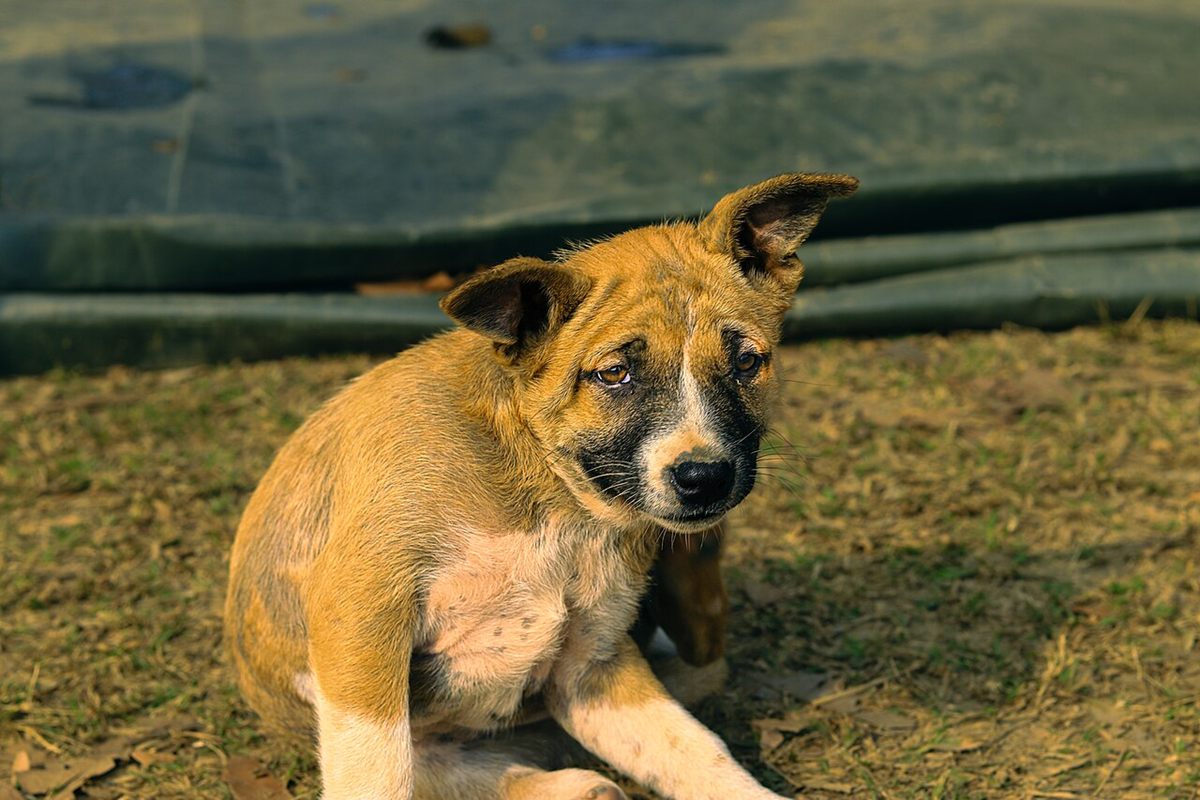
The domestic dog (Canis lupus familiaris) is the first animal domesticated by people, descended from gray wolves more than 15,000 years ago. Hundreds of breeds range from tiny lapdogs to giant mastiffs, and the dog is a model for genetics and for the co-evolution of humans and animals.
🧬 Field Guide Specimen: Open Domestic Dog in the CRV Science Field Guide to log the specimen, see its place among the Mammals lineages in the Cladogram Explorer, and test your recall in the Red List conservation game.
From Wolf to Dog: What Changed?
Dogs share a common ancestor with a now-extinct population of wolves. Compared with wolves, many dogs carry extra copies of the amylase gene that digests starch, an adaptation to a human diet. Dogs also evolved the ability to read human gestures and gaze, and oxytocin appears to reinforce bonding between owners and dogs.
A Contagious Cancer
Canine transmissible venereal tumor is a cancer that spreads between dogs during mating. Its cells descend from a single animal that lived thousands of years ago, making it the oldest known continuously living cancer lineage. See Cancer.
Breeds and Genetic Disease
Selective breeding concentrated desirable traits but also disease-causing variants. Because purebred dogs share the environments of their owners and have well-documented pedigrees, they are valuable models for human genetic disorders.
Domestic Dog at a Glance
| Property | Value |
|---|---|
| Scientific name | Canis lupus familiaris |
| Kingdom | Animalia |
| Phylum | Chordata |
| Class | Mammalia |
| Order | Carnivora |
| Family | Canidae |
| Field Guide group | Mammals: Eutheria (Placentals) |
| Diagnostic feature (Field Guide) | Premier model for artificial selection, morphological variation, and tandem evolution with humans. |
| Domesticated | More than 15,000 years ago |
| Breeds | Hundreds |