Gharial
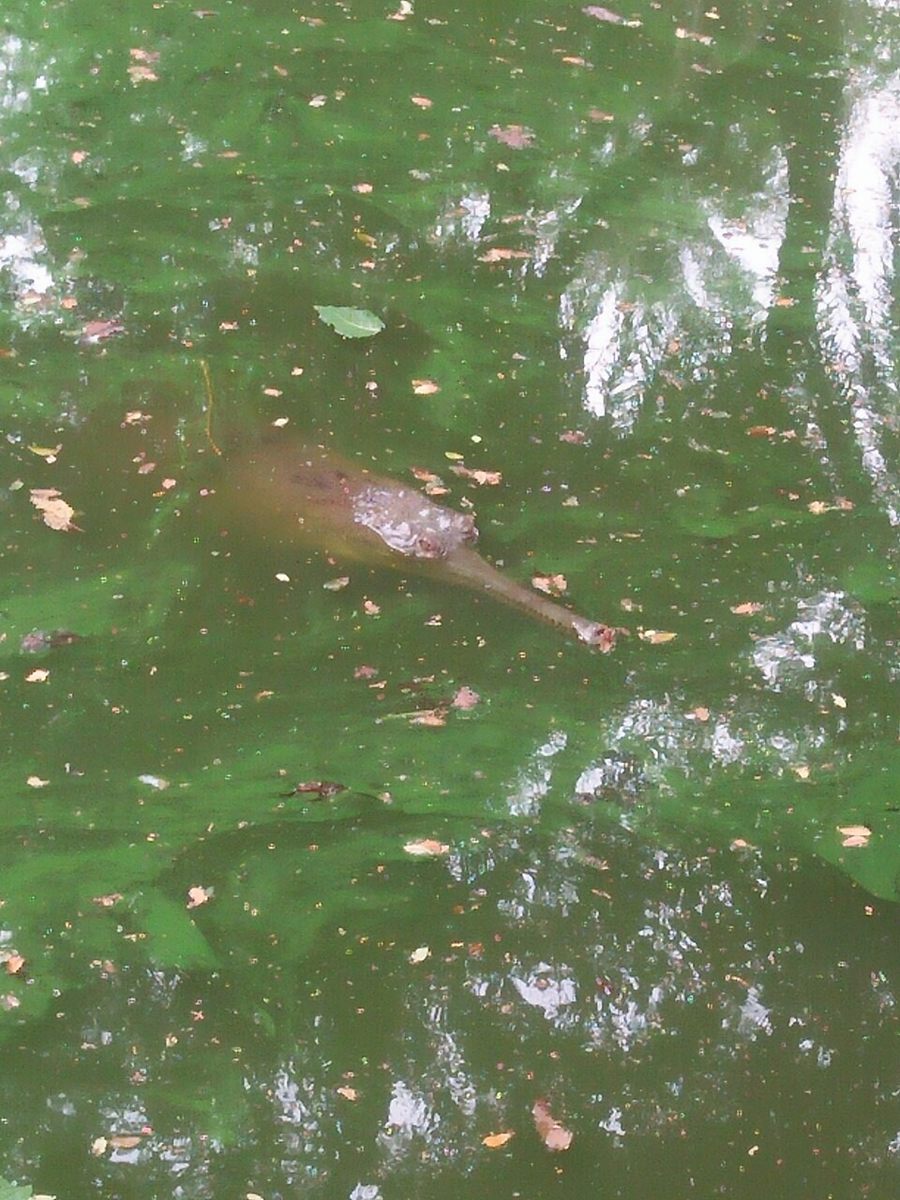
The gharial (Gavialis gangeticus) is a fish-eating crocodilian of northern India and Nepal with a long, narrow snout, studded with sharp teeth. It is listed as Critically Endangered with only a few hundred breeding adults left.
The gharial (Gavialis gangeticus) is a fish-eating crocodilian of northern India and Nepal with a long, narrow snout, studded with sharp teeth. It is listed as Critically Endangered with only a few hundred breeding adults left.
🧬 Field Guide Specimen: Open Gharial in the CRV Science Field Guide to log the specimen, see its place among the Reptilia lineages in the Cladogram Explorer, and test your recall in the Red List conservation game.
A Snout for Fishing
The slender jaws sweep sideways through water to snap up fish with little resistance. Adult males develop a bulbous growth on the snout tip, the ghara (named for an Indian pot), that makes a buzzing sound for display and helps with bubble-blowing.
River Specialists in Trouble
Gharials rely on deep, fast rivers with sandbanks for nesting. Dams, sand mining, gillnet fishing and pollution have reduced them to a small fraction of their former range, and they now survive mostly in protected reaches of the Chambal and other rivers.
Family Tree
Genetic studies indicate that the gharial is more closely related to the false gharial of Southeast Asia than to true crocodiles. See American Alligator.
Gharial at a Glance
| Property | Value |
|---|---|
| Scientific name | Gavialis gangeticus |
| Kingdom | Animalia |
| Phylum | Chordata |
| Class | Reptilia |
| Order | Crocodilia |
| Family | Gavialidae |
| Field Guide group | Reptilia (Reptiles) |
| Diagnostic feature (Field Guide) | Extremely elongated, slender snout with over 100 interlocking razor teeth, bulbous 'ghara' cartilaginous narial growth in adult males. |
| IUCN Red List status | Critically Endangered (CR), assessed 2019 |
| Diet | Fish |
See Also
- American Alligator — another crocodilian
- Atlantic Salmon — river fish affected by dams