Lugworm
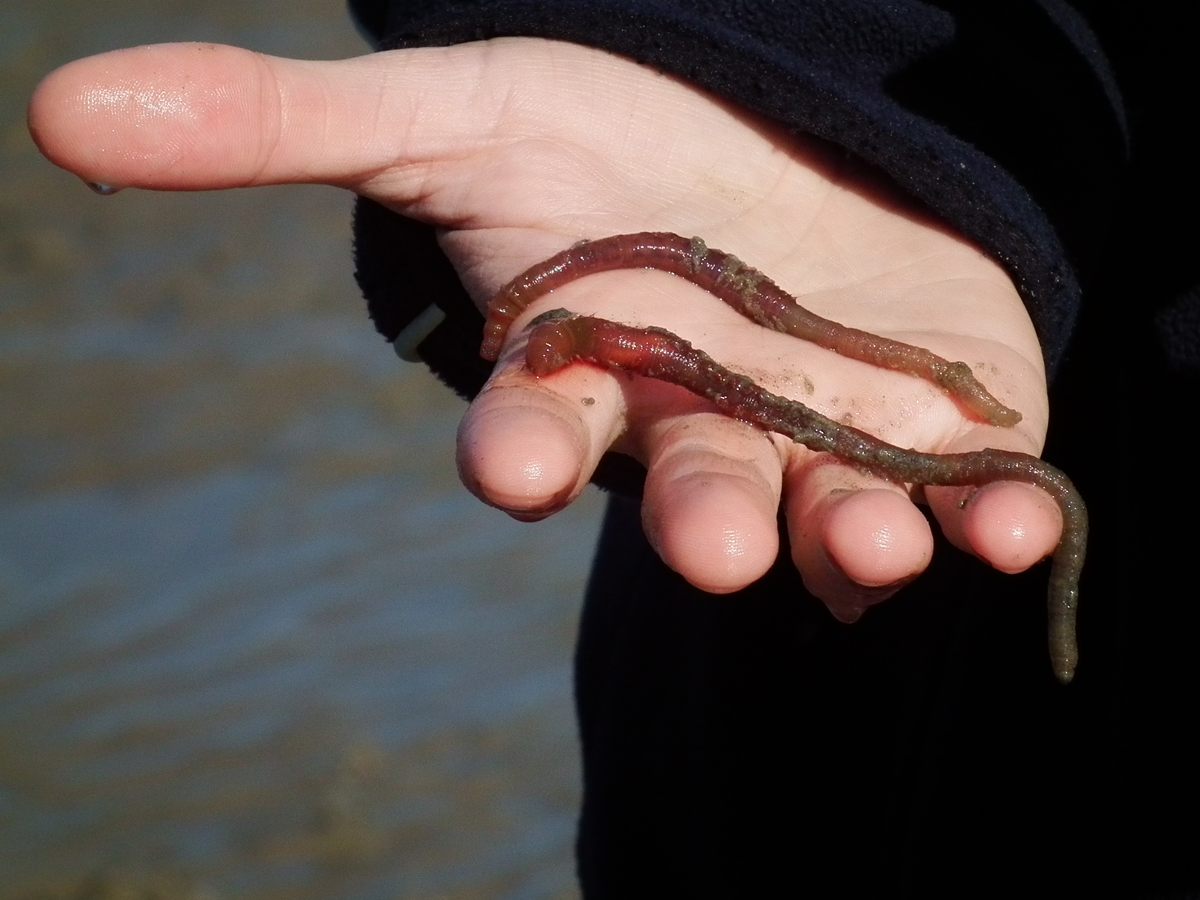
The lugworm (Arenicola marina) is a marine annelid that lives in U-shaped burrows in the sand and mud of North Atlantic tidal flats. Its coiled sand casts are a familiar sight at low tide.
The lugworm (Arenicola marina) is a marine annelid that lives in U-shaped burrows in the sand and mud of North Atlantic tidal flats. Its coiled sand casts are a familiar sight at low tide.
🧬 Field Guide Specimen: Open Lugworm in the CRV Science Field Guide to log the specimen, see its place among the Lophotrochozoa lineages in the Cladogram Explorer, and test your recall in the Red List conservation game.
A Deposit Feeder: What Are the Casts?
The worm swallows sand at the head end of its burrow and digests the organic matter, then pushes the cleaned sand out as a cast from the tail end. A single lugworm may process kilograms of sediment each year, and the stirring (bioturbation) changes the oxygen content and chemistry of the sand.
Breathing Under Mud
The worm irrigates its burrow by peristaltic pumping and breathes through branched gills. Its blood holds a giant extracellular hemoglobin that binds oxygen efficiently, which is being studied as an oxygen carrier for preserving organs for transplantation.
Bait and Shorebirds
Lugworms are dug for fishing bait, and are a key food for wading birds on estuaries. Their abundance shapes the whole tidal-flat food web.
Lugworm at a Glance
| Property | Value |
|---|---|
| Scientific name | Arenicola marina |
| Kingdom | Animalia |
| Phylum | Annelida |
| Class | Polychaeta |
| Family | Arenicolidae |
| Field Guide group | Lophotrochozoa: Worms, Shells & Allies |
| Diagnostic feature (Field Guide) | Prominent marine polychaete highlighting parapodia, burrowing mechanics, and extracellular hemoglobin. |
| Class | Polychaeta |
| Feeding | Deposit feeding |
See Also
- Food web — tidal-flat food webs
- Ocean deoxygenation — low oxygen in coastal sediments