Ochre Sea Star
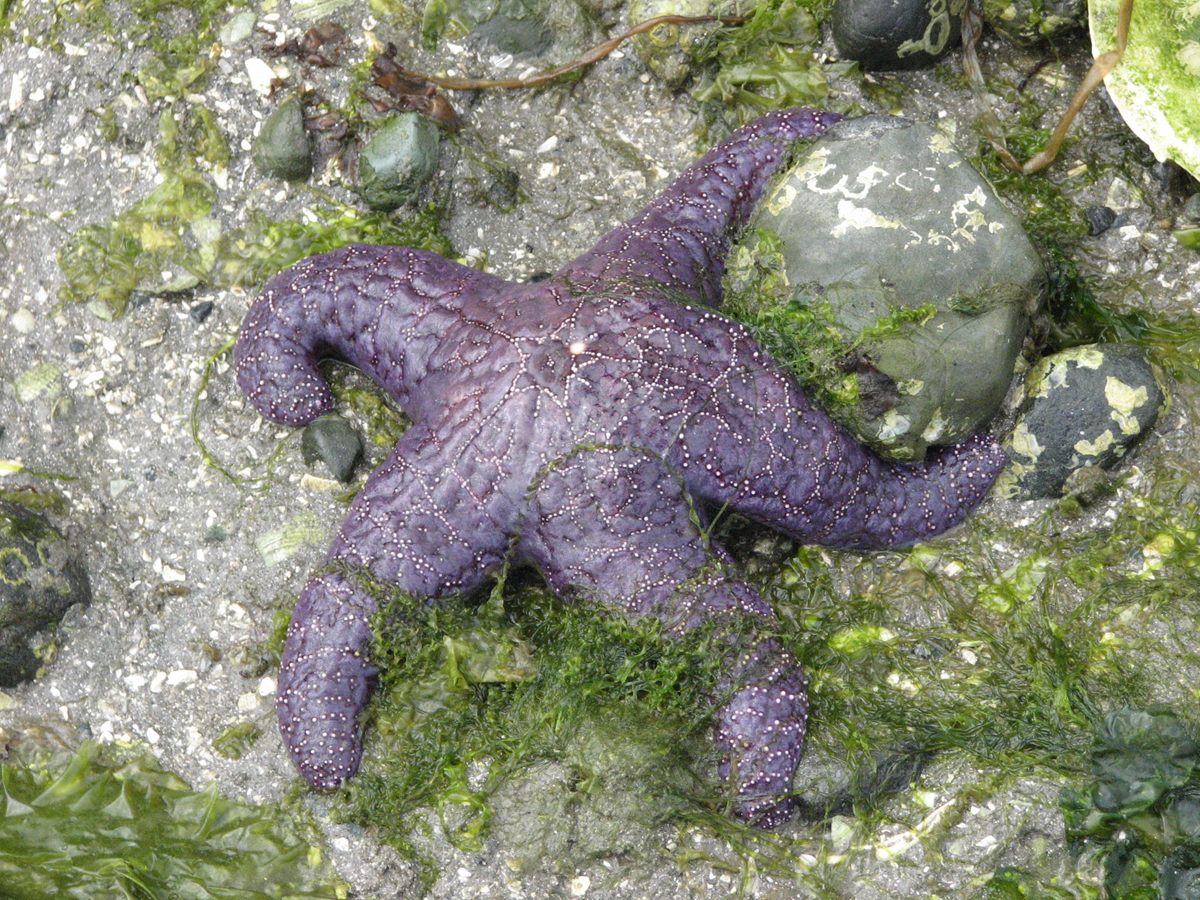
The ochre sea star (Pisaster ochraceus) is an orange or purple sea star of Pacific rocky shores and the species behind the concept of the keystone predator. Robert Paine's experiments in the 1960s showed that removing it changed the whole community.
The ochre sea star (Pisaster ochraceus) is an orange or purple sea star of Pacific rocky shores and the species behind the concept of the keystone predator. Robert Paine's experiments in the 1960s showed that removing it changed the whole community.
🧬 Field Guide Specimen: Open Ochre Sea Star in the CRV Science Field Guide to log the specimen, see its place among the Deuterostomia lineages in the Cladogram Explorer, and test your recall in the Red List conservation game.
Paine's Experiment: What Is a Keystone Species?
At Mukkaw Bay in Washington, Paine removed sea stars from sections of the shore. Mussels, a favorite prey, spread and crowded out most other species, so the number of species in the plots fell from fifteen to eight. The sea star kept the mussel in check and so maintained diversity. See Food web.
Sea Star Wasting
Beginning in 2013, a wasting disease killed vast numbers of sea stars from Alaska to Mexico. Pisaster populations were reduced in many places, although they recovered better than the sunflower star, which has been listed as critically endangered.
Tough and Resilient
Ochre sea stars tolerate hours of exposure to air at low tide by retaining water. They feed by prying open mussels and barnacles with their tube feet.
Ochre Sea Star at a Glance
| Property | Value |
|---|---|
| Scientific name | Pisaster ochraceus |
| Kingdom | Animalia |
| Phylum | Echinodermata |
| Class | Asteroidea |
| Order | Forcipulatida |
| Family | Asteriidae |
| Field Guide group | Deuterostomia: Echinodermata (Sea Stars & Allies) |
| Diagnostic feature (Field Guide) | Thick five-armed body with conspicuous white spine patterns forming a reticulate mesh, heavy pedicellariae pincers. |
| Concept | Keystone predator (Paine, 1966) |
| Prey | Mussels, barnacles, snails |