Siltstone
Siltstone is a fine-grained clastic rock made mostly of silt, grains between about 0.004 and 0.0625 millimeters across. It sits between sandstone and mudstone in grain size and often feels gritty against the teeth or fingernail.
Siltstone is a fine-grained clastic rock made mostly of silt, grains between about 0.004 and 0.0625 millimeters across. It sits between sandstone and mudstone in grain size and often feels gritty against the teeth or fingernail.
🪨 Geology Guide Specimen: Open Siltstone in the CRV Science Rock & Mineral ID Guide to log the specimen, compare it with the other 6 subgroups of Sedimentary, and test your eye in LithoClade.
Between Sand and Clay: What Is Silt?
Silt grains are too small to see without a hand lens but large enough to feel gritty. They are mostly quartz and feldspar, produced by glacial grinding, frost shattering and abrasion, and they settle from slow currents and suspension.
Floodplains, Deltas and Loess: Where Does Silt Collect?
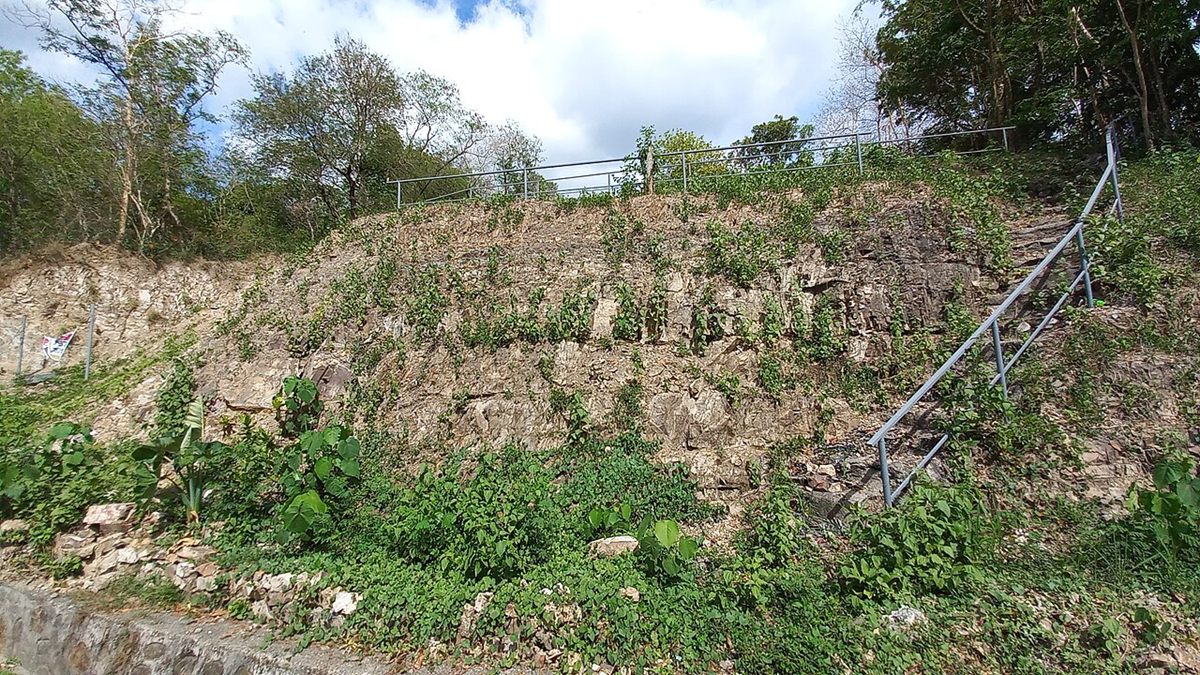
Rivers deposit silt on floodplains and delta fronts when they overflow, and wind carries glacial silt far from its source to form thick deposits of loess. When buried and cemented, such sediment becomes siltstone, often in thin, flaggy or rippled beds.
Identification: How Do You Recognize It?
Siltstone is harder and more gritty than mudstone and does not split as thin as black shale. It commonly shows ripple marks and fine lamination, and it is gradational with sandstone and mudrock in the same sequences.
Siltstone at a Glance
| Property | Value |
|---|---|
| Type / variety | Fine Quartz-Silt Clastic Mudrock |
| Composition | >67% Silt-Sized Quartz & Feldspar (0.004–0.0625 mm) + Minor Clay Matrix |
| Geology Guide group | Sedimentary Rocks (Clastic, Chemical & Biogenic) |
| Rock Classification | Fine Clastic (Mudrocks & Shales) |
| Mohs hardness | Mohs 4–5.5 |
| Texture / habit | Very fine grains (invisible to eye, but feels gritty against teeth/fingernail) |
| Density | 2.50–2.65 g/cm³ |
| Lustre and cleavage | Flaggy or ripple-laminated beds lacking paper-thin fissility |
| Geological setting | River floodplains, delta fronts, and outer continental shelves |
| Diagnostic feature (Geology Guide) | Fine-grained flaggy rock whose individual quartz particles (0.004–0.0625 mm) are too small to see without a hand lens, yet feel distinctly gritty when scraped against a steel blade or fingernail. |
| Grain size | About 0.004 to 0.0625 mm |
| Typical settings | Floodplains, deltas, outer shelves |
See Also
- Mudstone — a finer-grained relative
- Black Shale — a fissile, organic-rich mudrock
- Quartz Arenite — a coarser, sand-sized rock