Bald Eagle
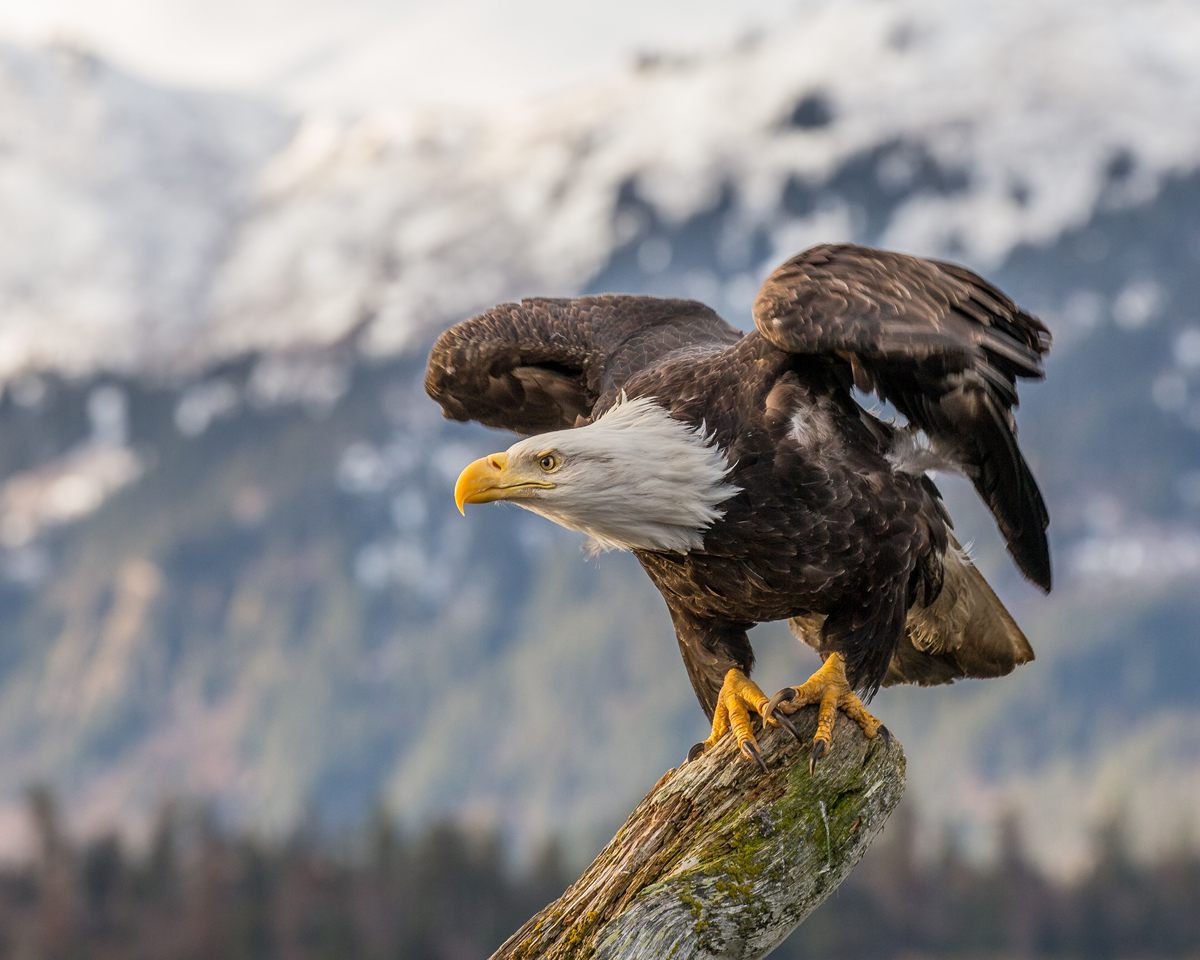
The bald eagle (Haliaeetus leucocephalus) is a large sea eagle of North America and the national bird of the United States. A symbol of recovery, it fell to a few hundred nesting pairs in the contiguous states by the 1960s and has since rebounded dramatically.
The bald eagle (Haliaeetus leucocephalus) is a large sea eagle of North America and the national bird of the United States. A symbol of recovery, it fell to a few hundred nesting pairs in the contiguous states by the 1960s and has since rebounded dramatically.
🧬 Field Guide Specimen: Open Bald Eagle in the CRV Science Field Guide to log the specimen, see its place among the Reptilia lineages in the Cladogram Explorer, and test your recall in the Red List conservation game.
The DDT Crash and Recovery
The pesticide DDT, concentrated through the food chain, thinned eggshells so that they broke. In 1963 only 417 nesting pairs were counted in the lower 48 states. After DDT was banned in 1972 and the eagle was protected, numbers recovered. It was removed from the US endangered species list in 2007, and today there are tens of thousands of nesting pairs. See Food web.
Big Nests
Bald eagles build the largest tree nests of any North American bird, which can weigh a tonne after years of additions. They eat fish and carrion and steal food from ospreys, a behavior called kleptoparasitism.
Remaining Threats
Lead from spent ammunition in carcasses, collisions with vehicles and wind turbines, and loss of nest trees remain concerns. The species is classed as Least Concern.
Bald Eagle at a Glance
| Property | Value |
|---|---|
| Scientific name | Haliaeetus leucocephalus |
| Kingdom | Animalia |
| Phylum | Chordata |
| Class | Aves |
| Field Guide group | Reptilia: Aves (Birds) |
| Diagnostic feature (Field Guide) | Huge raptor with a white head and tail on a dark brown body, a massive hooked yellow beak, and powerful grasping talons; snatches fish from the water surface. |
| IUCN Red List status | Least Concern (LC), assessed 2024 |
| Lowest count | 417 nesting pairs in 1963 |
See Also
- Peregrine Falcon — another bird that recovered after DDT
- Food web — biomagnification