Common Clubmoss
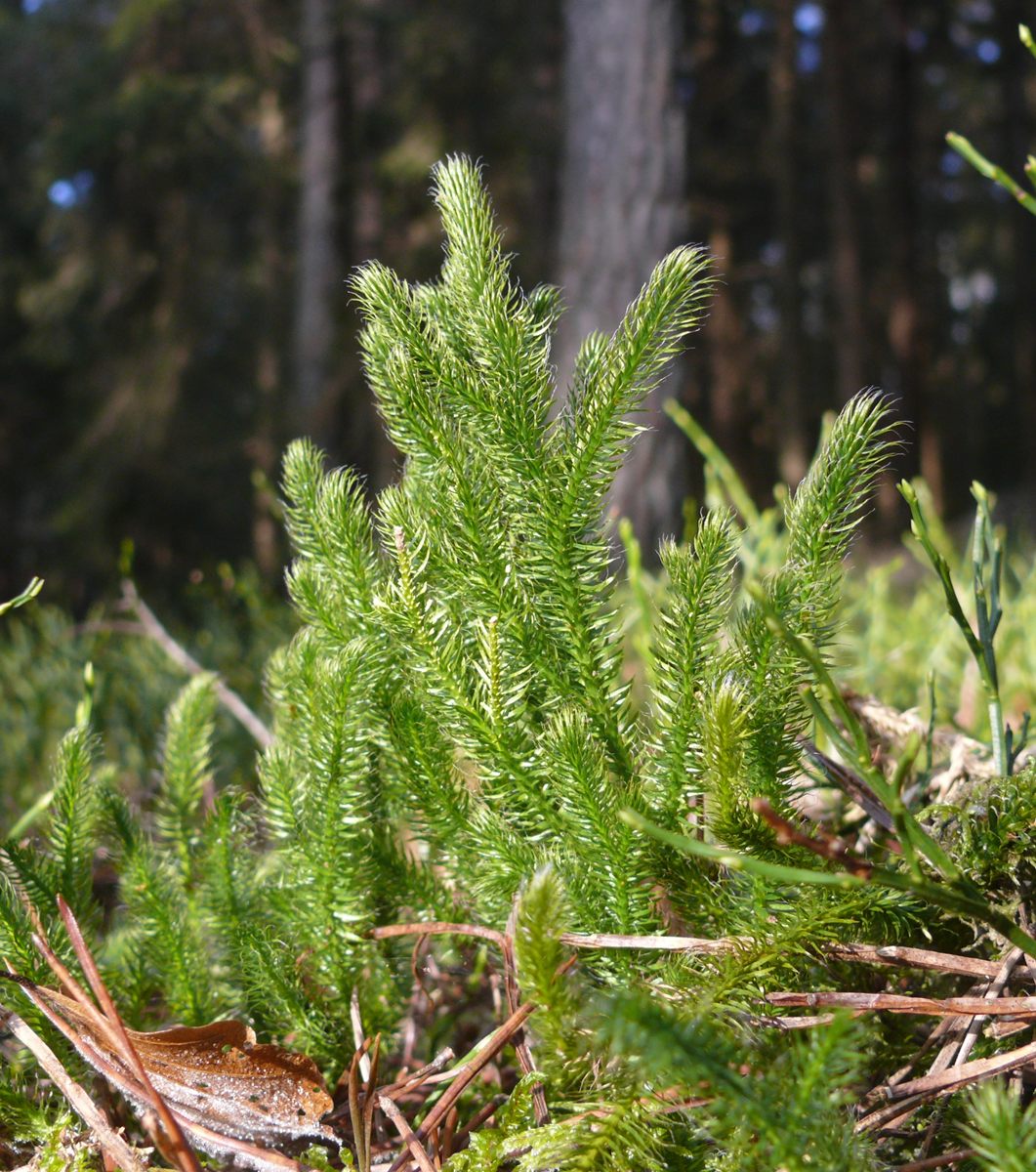
The common clubmoss (Lycopodium clavatum) is a creeping, evergreen plant of northern forests and heaths. Despite its name it is not a moss but a lycophyte, a member of one of the oldest lineages of vascular plants.
The common clubmoss (Lycopodium clavatum) is a creeping, evergreen plant of northern forests and heaths. Despite its name it is not a moss but a lycophyte, a member of one of the oldest lineages of vascular plants.
🧬 Field Guide Specimen: Open Common Clubmoss in the CRV Science Field Guide to log the specimen, see its place among the Diaphoretickes lineages in the Cladogram Explorer, and test your recall in the Red List conservation game.
Giant Relatives: How Did Clubmosses Make Coal?
In the Carboniferous, tree-sized relatives such as Lepidodendron grew to 30 meters or more in swampy forests. When they died, their remains accumulated as peat and were buried, becoming much of the world's coal. Living clubmosses are small descendants of that once-dominant group. See Fossil fuels.
Microphylls and Spore Cones
The plant has tiny, single-veined leaves (microphylls) arranged in spirals along its stems, and spores are borne in club-shaped cones. Vascular tissue distinguishes lycophytes from true mosses, which lack it.
Lycopodium Powder
The spores are very uniform in size and so rich in oil that a cloud of them flashes into flame. They were used in old-fashioned flash photography and stage pyrotechnics, as a dusting powder, and to take fingerprints.
Common Clubmoss at a Glance
| Property | Value |
|---|---|
| Scientific name | Lycopodium clavatum |
| Kingdom | Plantae |
| Phylum | Tracheophyta |
| Class | Lycopodiopsida |
| Order | Lycopodiales |
| Field Guide group | Diaphoretickes: Plants & Algae |
| Diagnostic feature (Field Guide) | Horizontal runners with upright microphyll leaves (single unbranched leaf vein) and terminal spore strobili. |
| Group | Lycophytes |
| Order | Lycopodiales |