Dolostone
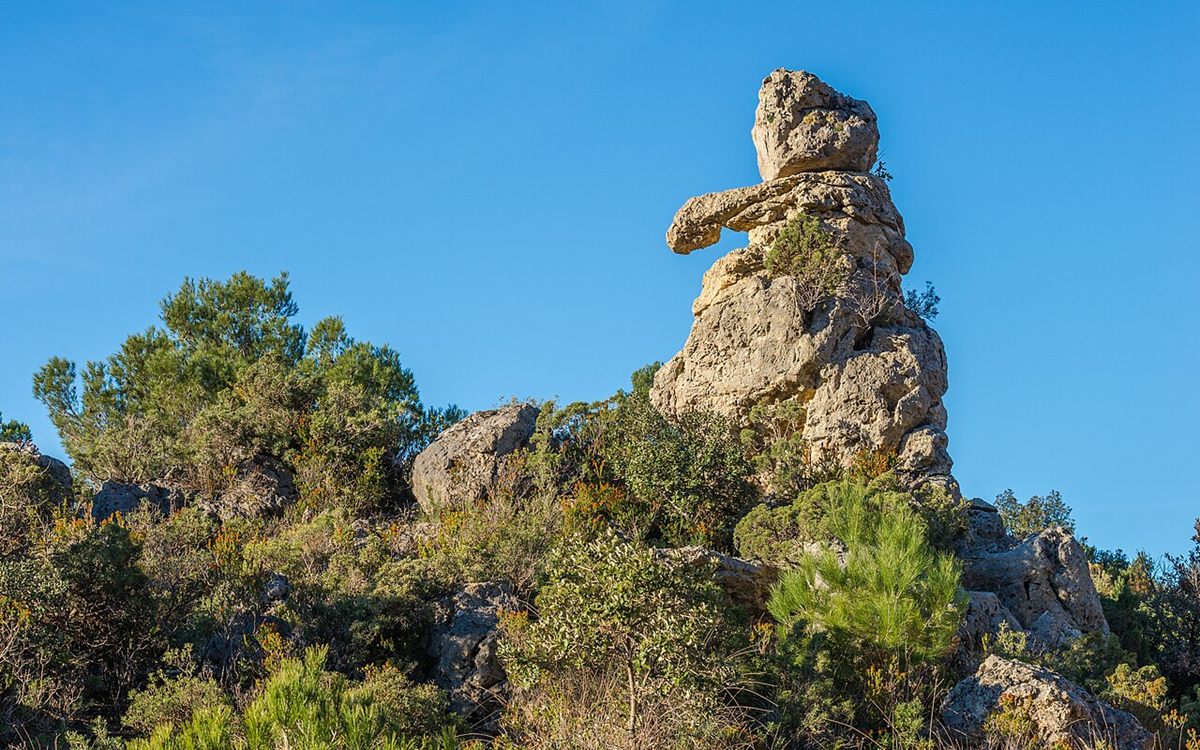
Dolostone is a carbonate rock composed mainly of the mineral dolomite, CaMg(CO₃)₂, a calcium magnesium carbonate. It looks much like limestone but reacts only weakly with cold dilute acid unless it is powdered.
Dolostone is a carbonate rock composed mainly of the mineral dolomite, CaMg(CO₃)₂, a calcium magnesium carbonate. It looks much like limestone but reacts only weakly with cold dilute acid unless it is powdered.
🪨 Geology Guide Specimen: Open Dolostone in the CRV Science Rock & Mineral ID Guide to log the specimen, compare it with the other 6 subgroups of Sedimentary, and test your eye in LithoClade.
Dolomite: How Is Dolostone Different from Limestone?
Limestone is calcite, CaCO₃, while dolostone contains magnesium in an ordered crystal structure. The mineral dissolves more slowly in acid, so a drop of cold hydrochloric acid fizzes weakly or not at all on a surface but reacts when the rock is scratched into powder. Dolostone is slightly harder and denser than limestone.
The Dolomite Problem: Why Is It Hard to Explain?
Dolomite is abundant in ancient rocks but rare in modern sediments, and it is difficult to make in the laboratory at surface temperatures. Most dolostone seems to form when magnesium-rich fluids replace calcite in limestone after burial, and microbes may help overcome the kinetic barriers. The details are still debated.
Dolomites and Reservoirs: Why Does It Matter?
The Dolomite Alps are named for the geologist Déodat de Dolomieu, who described the rock in the 1790s. Replacement can increase porosity, so dolostones are important reservoirs for oil, gas and groundwater. Compare ordinary fossiliferous limestone and the magnesium it lacks.
Dolostone at a Glance
| Property | Value |
|---|---|
| Type / variety | Diagenetic Calcium–Magnesium Carbonate Rock |
| Composition | >75% Mineral Dolomite (CaMg(CO₃)₂) |
| Geology Guide group | Sedimentary Rocks (Clastic, Chemical & Biogenic) |
| Rock Classification | Carbonates (Limestones & Dolostone) |
| Mohs hardness | Mohs 3.5–4 |
| Texture / habit | Sugary (sucrosic) rhombic crystalline mosaic, often with small vugs |
| Density | 2.80–2.86 g/cm³ |
| Lustre and cleavage | Buff-to-tan weathered surface; fizzes in cold HCl ONLY when powdered |
| Geological setting | Diagenetic replacement of marine shelf muds by magnesium-rich brines |
| Diagnostic feature (Geology Guide) | Sugary buff-to-grey rock (Mohs 3.5–4) that looks like marine shelf stone but barely reacts with a drop of cold acid unless the rock surface is first scratched into a fine powder. |
| Main mineral | Dolomite, CaMg(CO₃)₂ |
| Named for | Déodat de Dolomieu |
See Also
- Fossiliferous Limestone — the calcite-based counterpart
- Travertine — a precipitated carbonate rock
- Magnesium — the element that makes dolomite