Marble
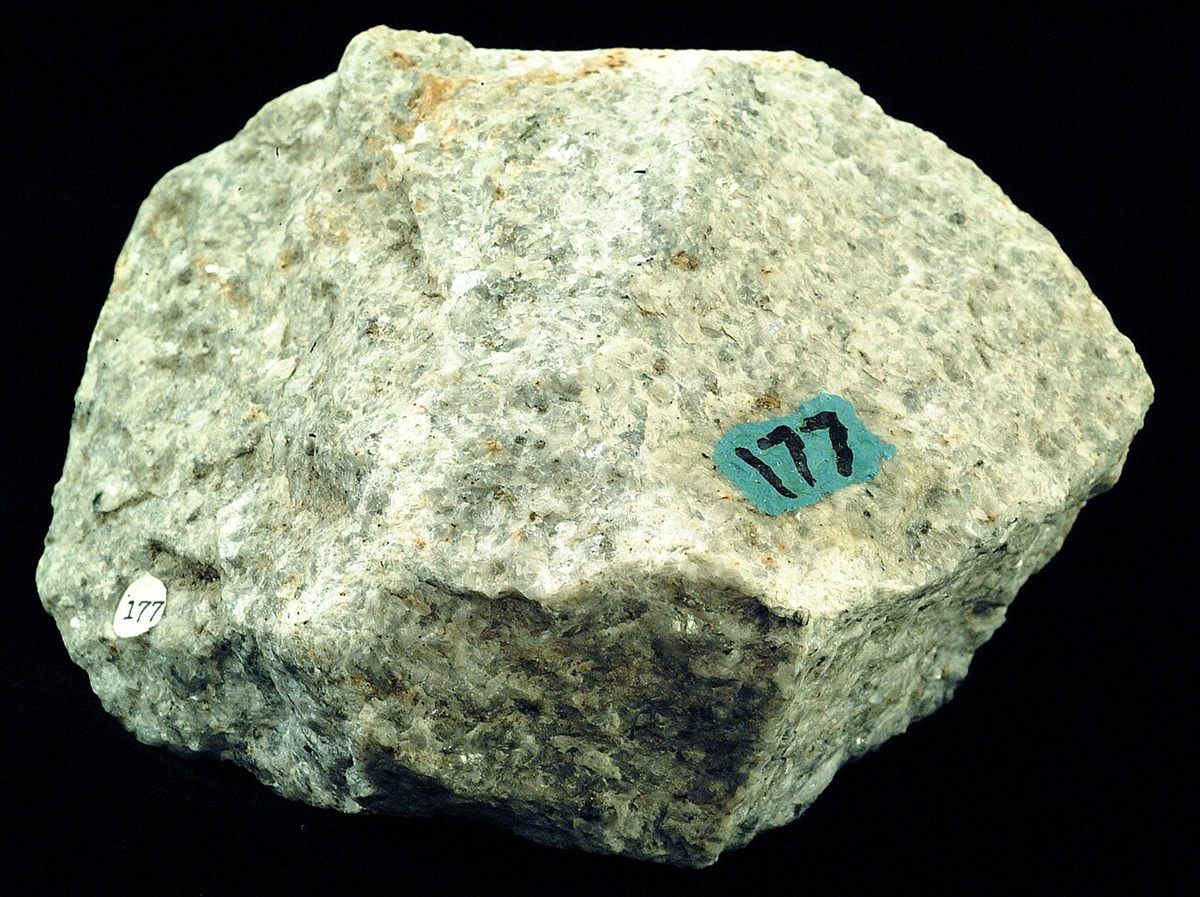
Marble is a metamorphic rock formed when limestone or dolostone recrystallizes under heat and pressure, giving a sugary mosaic of interlocking calcite or dolomite crystals. Pure marble is white, and impurities add veins of other colors.
Marble is a metamorphic rock formed when limestone or dolostone recrystallizes under heat and pressure, giving a sugary mosaic of interlocking calcite or dolomite crystals. Pure marble is white, and impurities add veins of other colors.
🪨 Geology Guide Specimen: Open Crystalline Marble in the CRV Science Rock & Mineral ID Guide to log the specimen, compare it with the other 6 subgroups of Metamorphic, and test your eye in LithoClade.
Recrystallization: How Does Limestone Become Marble?
Heat, from a nearby intrusion or from deep burial, makes the small grains of fossiliferous limestone or chalk grow into larger interlocking crystals. The fossils and bedding are mostly erased. Marble is soft, Mohs 3, so a steel knife scratches it, and it fizzes in dilute acid.
Color and Veining: What Are the Streaks?
Graphite makes marble grey, hematite pink and serpentine green, and veins reflect minerals that formed in the original limestone or grew from other minerals during metamorphism. Some marbles contain visible silicates such as diopside or tremolite.
Sculpture and Buildings: Why Is Marble Famous?
Fine-grained white marble is easy to carve and translucent, so it was used for Greek and Roman sculpture and buildings. The Parthenon is built of Pentelic marble and Michelangelo's David was carved from Carrara marble. Because calcite dissolves in acid, marble monuments are damaged by acid rain.
Marble at a Glance
| Property | Value |
|---|---|
| Type / variety | Granoblastic Recrystallized Calcite Marble |
| Composition | >95% Interlocking Calcite (CaCO₃) or Dolomite (CaMg(CO₃)₂) |
| Geology Guide group | Metamorphic Rocks (Foliated, Granoblastic & High-P) |
| Rock Classification | Non-Foliated (Granoblastic & Contact) |
| Mohs hardness | Mohs 3 (easily scratched by a steel knife; fizzes in dilute HCl) |
| Texture / habit | Sugary equigranular interlocking calcite crystals without cleavage planes |
| Density | 2.70–2.85 g/cm³ |
| Lustre and cleavage | Sparkling white or veined grey/pink cleavage faces of individual calcite grains |
| Geological setting | Contact or regional recrystallization of limestone or dolostone protoliths |
| Diagnostic feature (Geology Guide) | Sparkling white or dark-veined equigranular rock without planar cleavage whose interlocking crystals are soft enough to be scratched by a steel blade (Mohs 3) and fizz vigorously in dilute acid. |
| Protolith | Limestone or dolostone |
| Famous sources | Carrara, Pentelikon |
See Also
- Fossiliferous Limestone — a common parent rock
- Dolostone — the parent of dolomitic marble
- Calcite — the mineral that makes most marble