Little Brown Bat
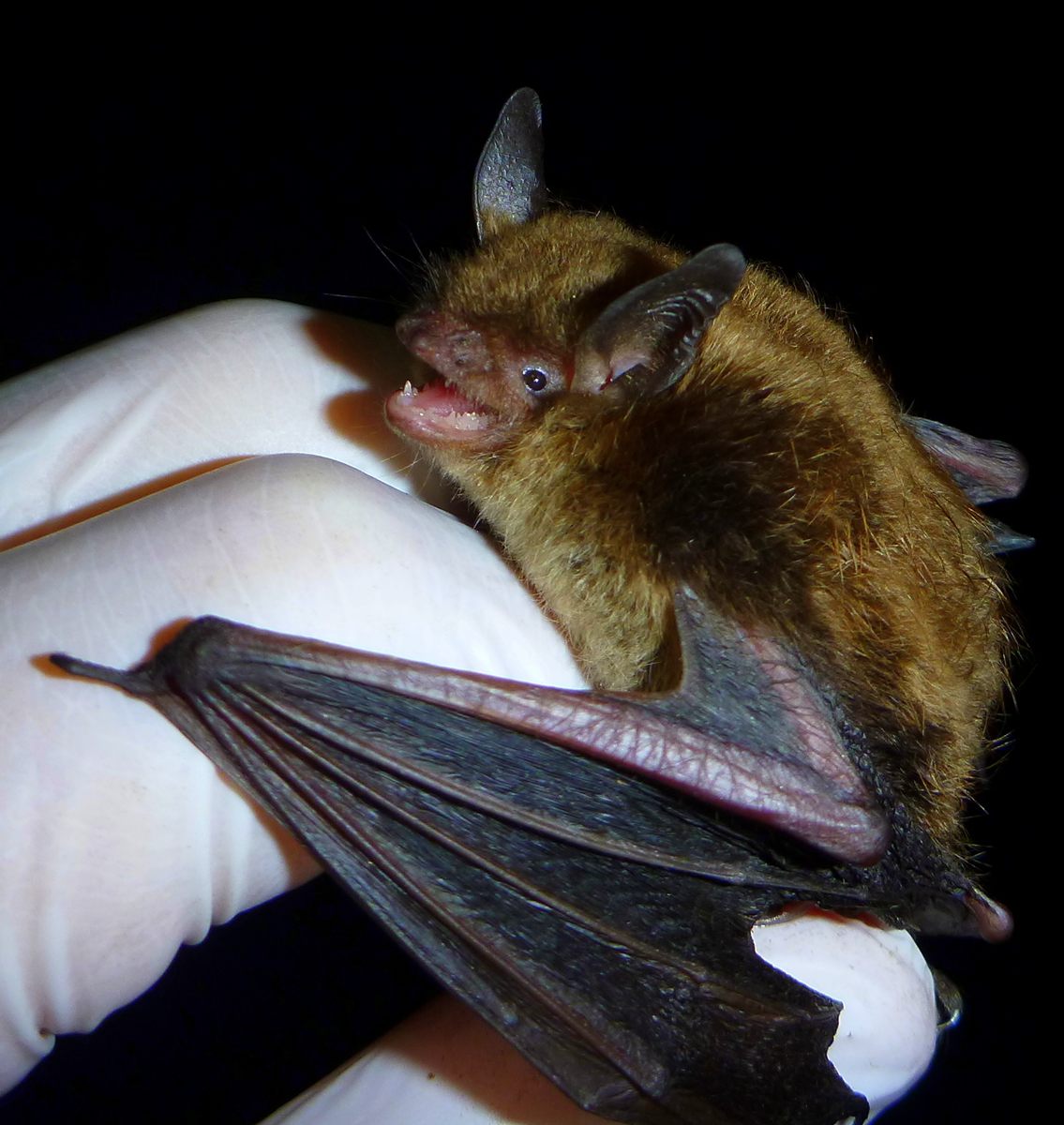
The little brown bat (Myotis lucifugus) was once one of the most common bats in North America. A fungal disease, white-nose syndrome, has killed millions since 2006, and the IUCN lists the species as Endangered.
The little brown bat (Myotis lucifugus) was once one of the most common bats in North America. A fungal disease, white-nose syndrome, has killed millions since 2006, and the IUCN lists the species as Endangered.
🧬 Field Guide Specimen: Open Little Brown Bat in the CRV Science Field Guide to log the specimen, see its place among the Mammals lineages in the Cladogram Explorer, and test your recall in the Red List conservation game.
White-Nose Syndrome: What Does the Fungus Do?
The cold-loving fungus Pseudogymnoascus destructans, probably introduced from Europe, grows on the skin of hibernating bats. It makes them wake up too often and burn through their fat reserves, so they starve in winter. Populations in the northeastern United States declined by more than 90 percent.
Insect Controllers and Echolocation
A bat can eat hundreds of insects an hour, and the loss of bats may increase the number of agricultural pests. Bats navigate and hunt by echolocation, sending high-pitched calls and listening for echoes.
Slow Reproduction and Long Life
Females usually have one pup a year, and individuals can live more than 30 years. Recovery from disease is therefore slow, although some colonies show signs of resistance.
Little Brown Bat at a Glance
| Property | Value |
|---|---|
| Scientific name | Myotis lucifugus |
| Kingdom | Animalia |
| Phylum | Chordata |
| Class | Mammalia |
| Order | Chiroptera |
| Family | Vespertilionidae |
| Field Guide group | Mammals: Eutheria (Placentals) |
| Diagnostic feature (Field Guide) | Essential example of mammalian flight, laryngeal echolocation, and white-nose syndrome pathology. |
| IUCN Red List status | Endangered (EN), assessed 2021 |
| Main threat | White-nose syndrome |
See Also
- Large Flying Fox — a megabat
- Vampire Bat — a bat with a specialized diet