Sea Otter
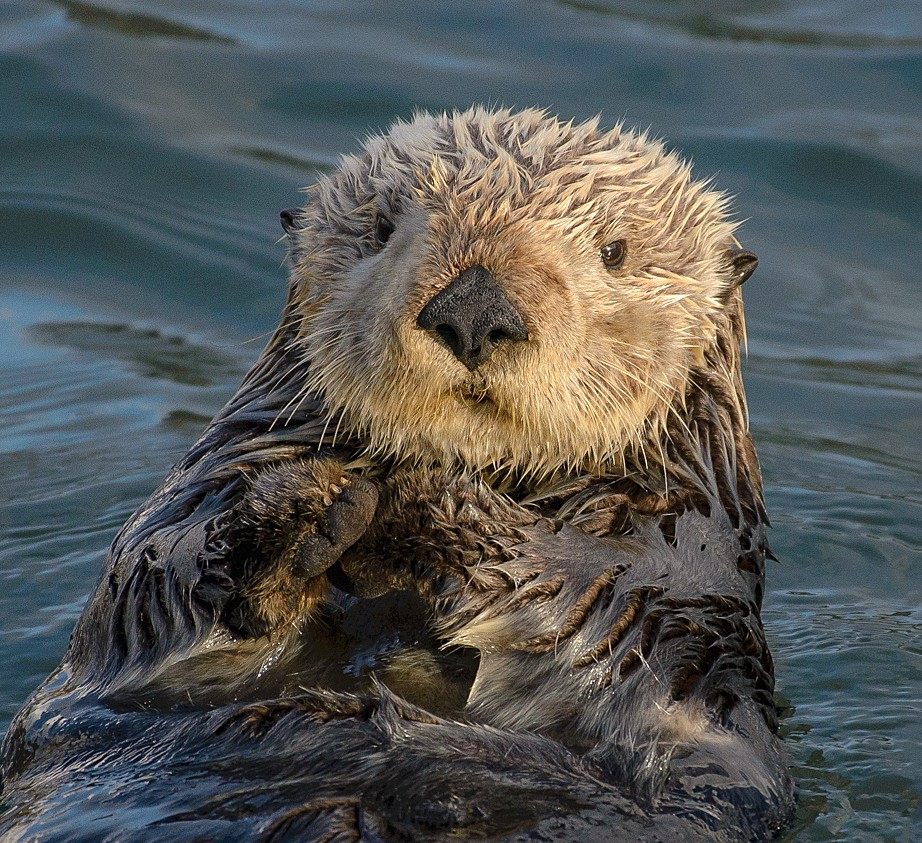
The sea otter (Enhydra lutris) is a small marine mammal of North Pacific coasts and a classic keystone species. Hunted for its fur until only a few small populations remained, it is listed as Endangered.
The sea otter (Enhydra lutris) is a small marine mammal of North Pacific coasts and a classic keystone species. Hunted for its fur until only a few small populations remained, it is listed as Endangered.
🧬 Field Guide Specimen: Open Sea Otter in the CRV Science Field Guide to log the specimen, see its place among the Mammals lineages in the Cladogram Explorer, and test your recall in the Red List conservation game.
The Densest Fur: How Does an Otter Stay Warm?
Sea otters lack a blubber layer and rely on the densest fur of any animal, up to a million hairs per square inch, which traps air. A high metabolism means they must eat roughly a quarter of their body weight each day, mostly sea urchins, crabs and clams.
Keystone Predator of Kelp Forests
By eating urchins, otters keep the kelp forest from being grazed away. Studies indicate that kelp forests with otters store more carbon than those without. See Giant Kelp.
Tool Use and Recovery
Otters use rocks to crack shells, a learned behavior passed from mothers to pups. The 1911 International Fur Seal Treaty and later protection helped populations recover in parts of their range, although oil spills and disease remain threats.
Sea Otter at a Glance
| Property | Value |
|---|---|
| Scientific name | Enhydra lutris |
| Kingdom | Animalia |
| Phylum | Chordata |
| Class | Mammalia |
| Order | Carnivora |
| Family | Mustelidae |
| Field Guide group | Mammals: Eutheria (Placentals) |
| Diagnostic feature (Field Guide) | Celebrated marine keystone species that maintains kelp forest ecosystems. |
| IUCN Red List status | Endangered (EN), assessed 2021 |
| Fur density | Up to about a million hairs per square inch |
See Also
- Giant Kelp — the forest otters protect
- Food web — trophic cascades
- Grizzly Bear — another keystone mammal