Pyrite
Pyrite is iron disulfide, FeS₂, a brassy, metallic mineral with isometric crystals and a hardness of 6 to 6.5.
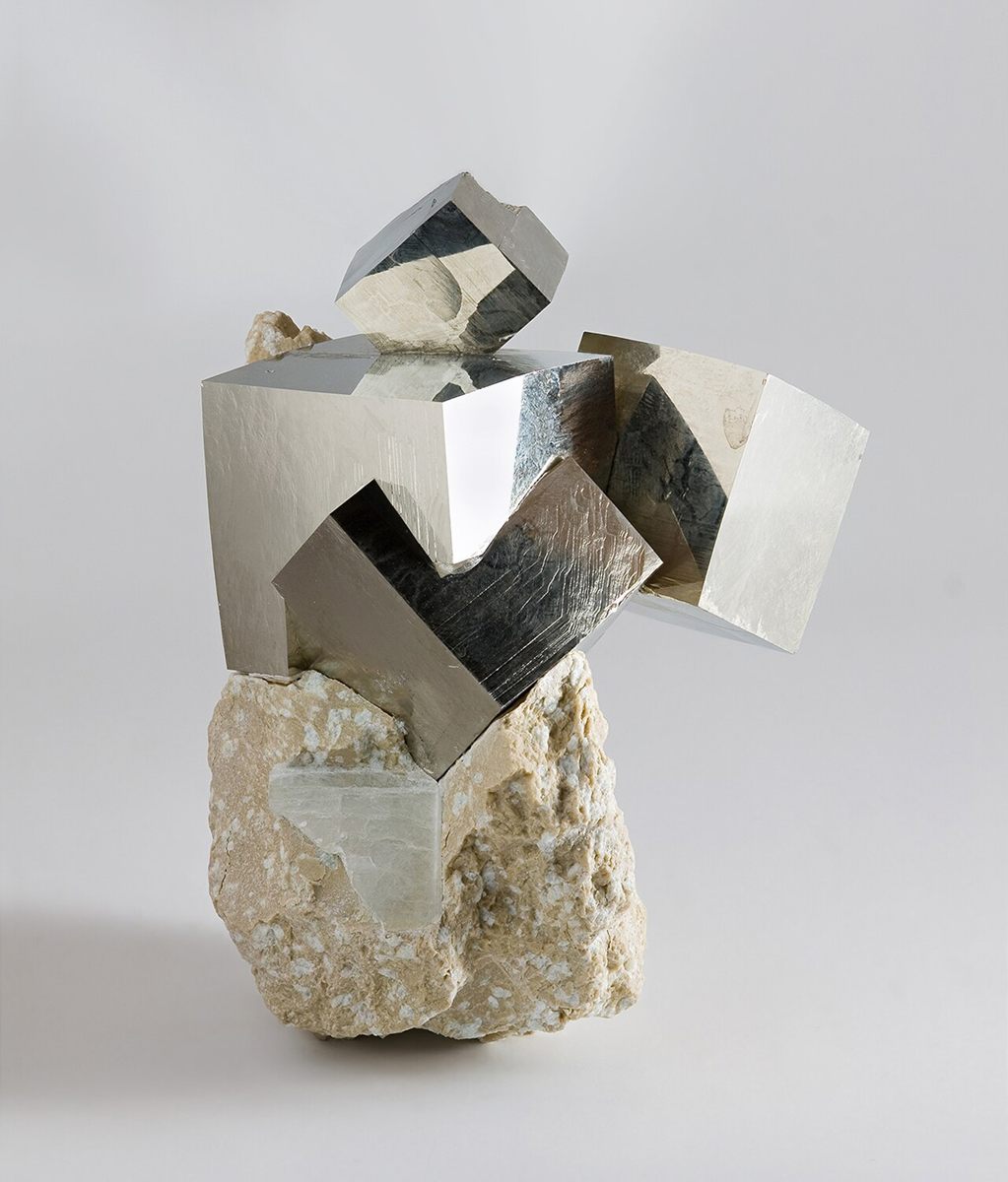
Pyrite is iron disulfide, FeS₂, a brassy, metallic mineral with isometric crystals and a hardness of 6 to 6.5. It is better known as "fool's gold," and it is the most common sulfide mineral in the crust. The name comes from the Greek for "fire," because it strikes sparks against steel.
🪨 Geology Guide Specimen: Open Pyrite ('Fool's Gold') in the CRV Science Rock & Mineral ID Guide to log the specimen, compare it with the other 8 mineral classes of Dana / Strunz Classes, and test your eye in LithoClade.
Fool's Gold: How Do You Tell It from the Real Thing?
Pyrite is pale brass-yellow, hard and brittle, with a greenish-black streak, while native gold is buttery yellow, soft and malleable, and leaves a golden streak. Pyrite is also much lighter, about 5 grams per cubic centimeter against 19 for gold. It forms sharp striated cubes and twelve-sided pyritohedra.
Where It Forms: Veins, Black Shales and Fossils
Pyrite crystallizes from hot fluids in veins and in volcanic massive sulfide deposits, and also grows in oxygen-poor muds, where it is a common part of black shale. In such sediments it can replace fossils, preserving shells and wood as golden replicas.
Oxidation: Why Does Pyrite Cause Acid Drainage?
When pyrite is exposed to air and water, it oxidizes and releases sulfuric acid and dissolved iron. This is the source of acid mine drainage, which turns streams orange and acidic near mines and coal workings. See sulfur for the element.
Pyrite at a Glance
| Property | Value |
|---|---|
| Type / variety | FeS₂ • Isometric Iron Disulfide |
| Composition | FeS₂ (46.6 wt% Iron, 53.4 wt% Sulfur) |
| Geology Guide group | Minerals (8 Major Chemical Groups) |
| Mineral Group | Sulfides |
| Mohs hardness | Mohs 6–6.5 (unusually hard; scratches glass and strikes sparks on steel) |
| Texture / habit | Sharp cubic crystals with perpendicular face striations, octahedra, or 12-sided pyritohedra |
| Density | 5.01 g/cm³ |
| Lustre and cleavage | Brassy pale-gold metallic lustre; greenish-black streak; brittle fracture |
| Geological setting | Hydrothermal veins, volcanogenic massive ore bodies, and anoxic black shales |
| Diagnostic feature (Geology Guide) | Pale brass-yellow metallic mineral (Mohs 6–6.5) that crystallizes in sharp striated cubes or 12-sided pentagonal 'pyritohedra,' strikes sparks against steel, and leaves a greenish-black streak (unlike malleable gold). |
| Formula | FeS₂ |
| Streak | Greenish black |
See Also
- Native Gold — the metal that pyrite is mistaken for
- Chalcopyrite — a softer copper-iron sulfide
- Sulfur — the element in sulfides